🦵 Not sure what's causing it? Take the 5-question knee quiz.
Find My Pattern →Knee Pressure Feeling After Walking Uphill
The pressure builds quietly as you climb. Your knee doesn't hurt exactly—not at first. Instead, there's a dull, heavy sensation that settles behind your kneecap, growing more noticeable with each step upward. Then you reach the top, stop moving, and something shifts. The pressure sharpens. Hours later, sitting on the couch, that same knee feels stiff and uncomfortable in a way it wasn't during the walk itself. This delayed pressure—the kind that sneaks up after the activity ends—is what makes uphill walking so frustrating. The pain doesn't follow the simple rule of "activity causes pain." It arrives on its own schedule.
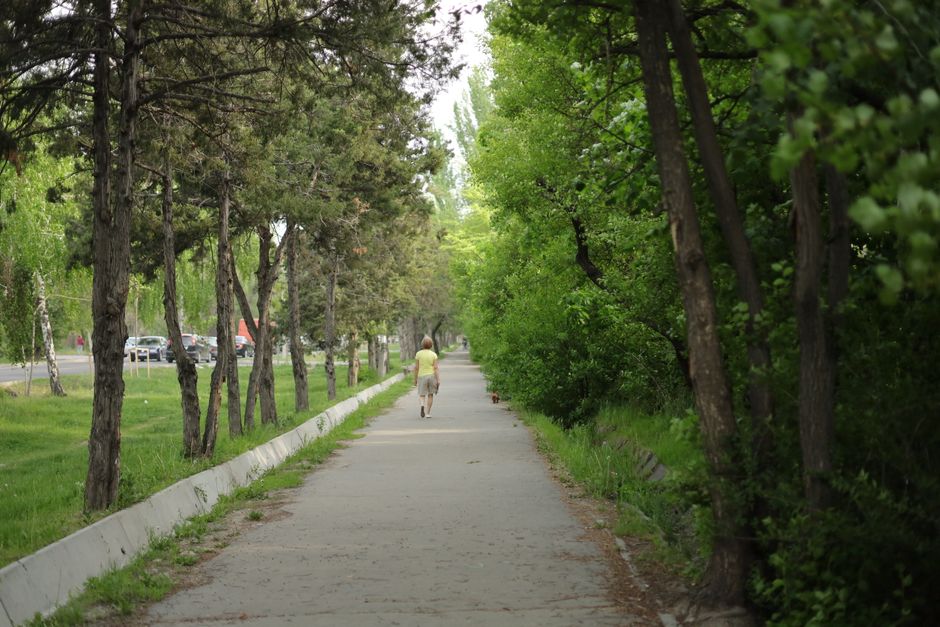
Why pressure builds during and after climbing
🦵 Not sure what's causing your knee pain?
Answer 5 quick questions and get a personalised result.
Find My Pattern → 60 seconds · No sign-upWalking uphill demands something different from your knee than flat ground does. Your quadriceps (the muscle on the front of your thigh) has to work harder to lift your body weight against gravity with each step. This sustained contraction can cause the kneecap to track slightly differently in its groove, creating pressure rather than sharp pain. The sensation often feels like something is pressing inward or sitting heavily behind the kneecap, not like a stabbing sensation in the joint itself.
The pressure may also come from how your stride changes on an incline. Naturally, people take shorter, quicker steps when climbing. This changes the angle at which your knee bends and the forces running through it. If your quadriceps is even slightly weaker than your hamstrings, or if the muscles on the outside of your thigh are tight, this imbalance becomes obvious during the climb. The kneecap can shift position subtly, and sustained pressure builds as a result. People dealing with this frequently also notice knee burning feeling after walking uphill, particularly after extended periods of inactivity.
Descent adds another layer. Going downhill, your quadriceps has to work eccentrically—lengthening while contracting—to control your descent. This type of muscle work often causes delayed pressure or soreness that appears hours or even a day later. You might feel fine immediately after coming down, then notice the pressure when you sit down that evening or the next morning.
Cold weather can intensify this sensation. Muscles and connective tissues tighten in cold conditions, and your knee may feel more pressurized and less stable on inclines. The pressure can feel heavier and more restrictive than it does on warm days.
Practical ways to manage the pressure
Adjust your uphill stride. Instead of taking short, choppy steps, try slightly longer steps that keep your knee bent at a gentler angle. This distributes the work more evenly. Walking slower with a steadier rhythm often reduces that building pressure sensation compared to pushing harder with quick steps.
Pay attention to descent technique. The way down matters as much as the way up. Lean slightly forward from the ankles, keep your knees slightly bent, and let your legs absorb impact rather than locking your knees straight. Many people unconsciously stiffen their legs going downhill to feel more stable, but this actually increases pressure on the kneecap. Sideways stepping down steep sections can also reduce pressure if regular descent bothers you.
Strengthen your quadriceps gently. Isometric exercises—where you hold a position without moving—can help without aggravating the pressure. Sit with your leg straight out and tighten your thigh muscle, holding for 5-10 seconds. Repeat 10-15 times. This builds strength without the repetitive bending that might increase pressure during an activity.
Ice after, not just during. Many people ice immediately after walking, but the delayed pressure that arrives hours later also benefits from ice. Applying ice for 15-20 minutes in the evening, especially if you're sitting and feeling that heavy sensation, can help calm the irritation.
Warm up before climbing. A few minutes of easy walking on flat ground before heading uphill gives your quadriceps a chance to engage and stabilize your kneecap before the harder work begins. This small step often reduces how much pressure builds during the climb itself.
When pressure means you need professional guidance
Pressure that builds predictably after uphill walking and settles with rest is common and often manageable. But certain patterns warrant a conversation with a physical therapist or doctor. For useful context, dull ache behind knee after walking uphill tends to have the same mechanical roots and overlapping solutions.
See a professional if the pressure is severe enough that you can't complete the walk, if it's accompanied by swelling that lasts more than a few hours, if your knee feels unstable or gives way on descent, or if the pressure is getting worse despite trying these adjustments for 2-3 weeks. Also reach out if the sensation is only in one knee and you're noticing changes in how you walk to protect it—compensation patterns can develop quickly and become harder to reverse.
Safety note: If you have severe pain, significant swelling, a recent injury, fever, numbness, or difficulty bearing weight, speak with a qualified healthcare professional promptly.
Frequently Asked Questions
Q: Can I still walk normally when I have knee pressure feeling after walking uphill?
A: Many people manage normal walking despite this kind of discomfort. If walking causes you to limp or noticeably change your gait, though, that's worth addressing — compensating patterns often create new problems in the hips, lower back, or opposite knee over time.
Q: Is it safe to exercise with knee pressure feeling after walking uphill?
A: Gentle, low-impact movement is often beneficial — walking, swimming, and cycling tend to be well-tolerated. Avoid anything that sharply increases the discomfort. A physiotherapist can help identify which exercises are right for your specific situation and severity.
Q: Can stretching help with knee pressure feeling after walking uphill?
A: Gentle stretching of the quadriceps, hamstrings, calves, and hip flexors can reduce the muscular tension that contributes to knee discomfort. A sustained, comfortable hold of 20 to 30 seconds is far more effective and safer than aggressive or bouncing stretches.
One Thing to Try First
Most people who take early, sensible action recover well. Start with what you can manage today and monitor closely. If things are not improving after a few weeks, that is the right time to bring in professional support.
Helpful Next Step
As an Amazon Associate, we may earn from qualifying purchases. This does not affect the price you pay.
Helpful Support Option
If this discomfort shows up during daily walking or standing, a compression sleeve may help reduce load on the joint during movement while the underlying cause is addressed.
See walking knee support optionsHelpful Next Step
If gentle support helps during recovery, you can check a simple support option that many people use in daily life. People dealing with this frequently also notice front knee pain after walking uphill, particularly after extended periods of inactivity.
This content is for educational purposes only and does not constitute medical advice. Always consult a qualified healthcare professional for diagnosis and treatment.