🦵 Not sure what's causing it? Take the 5-question knee quiz.
Find My Pattern →Knee Pain When Wearing a Knee Brace
You put on the brace because you're supposed to—because a doctor or therapist recommended it, or because you read it would help. But then, somewhere between the second and third hour of wearing it, a sharp pinching sensation starts. Or maybe it's a dull throb that only gets worse as the day goes on, and by evening you're wondering if the brace is actually making things worse instead of better. The frustration is real: you're trying to do the right thing for your knee, and your body is punishing you for it.
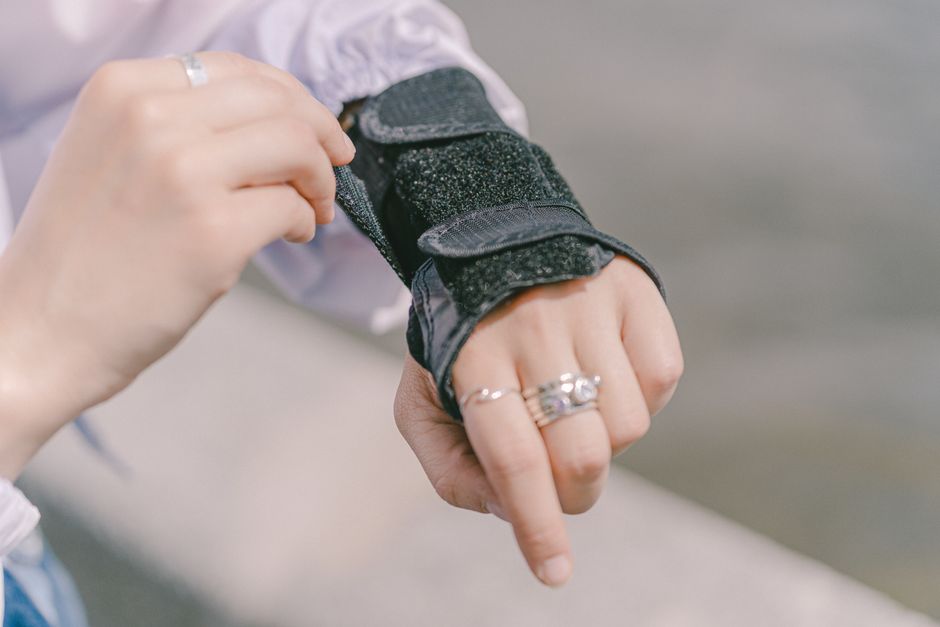
This happens more often than you'd think, and it doesn't always mean the brace is wrong for you.
Why pain develops under a brace
🦵 Not sure what's causing your knee pain?
Answer 5 quick questions and get a personalised result.
Find My Pattern → 60 seconds · No sign-upA brace can create pain through several different mechanisms, and understanding which one is happening to you matters.
Circulation getting squeezed. When a brace is snug enough to provide support, it can sometimes restrict blood flow more than you realize—especially if you're sitting for long periods. You might notice a dull, heavy sensation that builds throughout the day, or a throbbing that actually intensifies when you take the brace off (a sign your circulation is rebounding). This delayed pain is easy to miss because it doesn't happen immediately; it creeps up on you.
Pressure points creating localized pain. Even a well-fitted brace has edges and seams. If those edges sit directly over a bony part of your knee or the side of your shin, they can create a sharp, focused ache that feels almost like the brace is digging in. This type of pain often has a specific location—you can point to exactly where it hurts—and it may feel worse in certain positions (like when you're sitting with your knee bent at a particular angle).
Swelling trapping moisture. A brace holds heat and sweat against your skin. Over the course of a full day, especially in warmer weather or if you're moving around, moisture builds up underneath. This can create a burning sensation, usually on the inner thigh or behind the knee where the brace material is thickest. Some days—humid days especially—this feels much worse than others, which can make you question whether it's the brace or something else entirely.
Muscle tension from altered movement. When you wear a brace, your leg moves slightly differently. Your muscles compensate. After several hours, this can create a dull, tired ache in the muscles around the brace, particularly in the calf or the outer thigh. This pain often feels muscular rather than sharp, and it may come with a sense of heaviness or fatigue in that limb.
What you can try
Start with shorter wearing periods. If you're new to wearing a brace, wearing it for 8 hours straight on day one is likely to create pain that has nothing to do with whether the brace is right for you. Try 2–3 hours, then remove it for at least an hour. Gradually extend the time as your skin and muscles adapt. This isn't about "breaking in" the brace in a traditional sense—it's about letting your body adjust to the pressure and movement change without overwhelming it.
Check the position when pain appears. Notice exactly what you're doing when the pain starts. Is it sharp pinching that appears after sitting for a while? Is it a burning sensation that develops by late afternoon? Is it numbness in your calf that comes and goes? The timing and type of pain tell you something. Sharp, localized pinching often points to a pressure point issue. A dull throb that builds over hours suggests circulation. Burning usually means moisture or friction. Each one has a different solution.
Adjust the tightness strategically. This is counterintuitive, but sometimes loosening a brace slightly—just one notch on the straps—can reduce pain without sacrificing much support. If the pain is a burning sensation or a sense of numbness, loosening it may help circulation. If it's sharp pinching, loosening might move the edge away from the pressure point. If it's muscle fatigue, a slightly looser brace might reduce the resistance your muscles are fighting against. You may need to experiment here; what works one day might not work the next if humidity or swelling has changed.
Add a thin barrier layer. A seamless compression sleeve worn under the brace, or even a thin layer of athletic tape over the area where you feel pinching, can reduce friction and pressure-point pain. Some people find that a moisture-wicking sleeve also helps with the burning sensation caused by sweat buildup.
Keep the area dry and clean. Wash the brace regularly (follow the manufacturer's instructions) and let your skin breathe when you're not wearing it. Sweat and bacteria buildup under a brace can intensify burning sensations and create additional irritation that masks the real problem.
When to reach out for help
If the pain is sharp and severe, or if you notice numbness or tingling that doesn't go away within a few minutes of removing the brace, don't wait. The same goes if you see significant swelling, redness, or skin breakdown. A physical therapist or doctor can assess whether the brace is positioned correctly for your specific knee anatomy, or whether a different style or size would work better. For useful context, knee pain from wearing high heels every day tends to have the same mechanical roots and overlapping solutions.
Safety note: If you have severe pain, significant swelling, a recent injury, fever, numbness, or difficulty bearing weight, speak with a qualified healthcare professional promptly.
Frequently Asked Questions
Q: What happens if I ignore knee pain when wearing a knee brace?
A: In some cases, minor knee discomfort does resolve on its own. But consistently ignoring pain — especially if it's altering how you move — can allow the underlying cause to worsen. Most people find that early, sensible attention leads to faster recovery than waiting it out indefinitely.
Q: Is it normal to hear clicking sounds alongside knee pain when wearing a knee brace?
A: Joint sounds are extremely common and usually harmless — they often come from gas bubbles in the joint fluid or tendons flicking over bony prominences. If the clicking is painless and your knee functions normally, it's generally nothing to worry about. If it's accompanied by pain or swelling, mention it to a healthcare professional.
Q: Why does my knee feel worse after sitting for a long time?
A: This pattern — stiffness or pain after prolonged sitting that eases once you move around — is a hallmark of irritation around the kneecap or the soft tissues surrounding it. The joint stiffens in a flexed position, and the first movement disturbs it. Most people find it settles within a minute or two of walking.
One Thing to Try First
Most people who take early, sensible action recover well. Start with what you can manage today and monitor closely. If things are not improving after a few weeks, that is the right time to bring in professional support.
Helpful Next Step
As an Amazon Associate, we may earn from qualifying purchases. This does not affect the price you pay.
Helpful Support Option
If this type of knee discomfort shows up during daily movement, light support may help reduce strain on the joint while you work on the underlying cause.
See knee support options on AmazonHelpful Next Step
If gentle support helps during recovery, you can check a simple support option that many people use in daily life.
This content is for educational purposes only and does not constitute medical advice. Always consult a qualified healthcare professional for diagnosis and treatment.