🦵 Not sure what's causing it? Take the 5-question knee quiz.
Find My Pattern →Knee Pain From Wearing High Heels Every Day
You feel fine through the morning—maybe a little tightness in your calves, but nothing alarming. Then around 3 p.m., standing in back-to-back meetings, a sharp twinge appears on the outer side of your knee. By the time you sit down at your desk, it's faded to a dull ache. You stand up again twenty minutes later and it returns, this time creeping around to the back of your kneecap. You take off the heels when you get home, feel immediate relief, and think nothing of it until the next morning when your knee feels stiff and reluctant during your commute. This pattern—pain that appears predictably in the afternoon, vanishes when you rest, then comes back stronger—is the signature of daily heel-wearing knee strain.
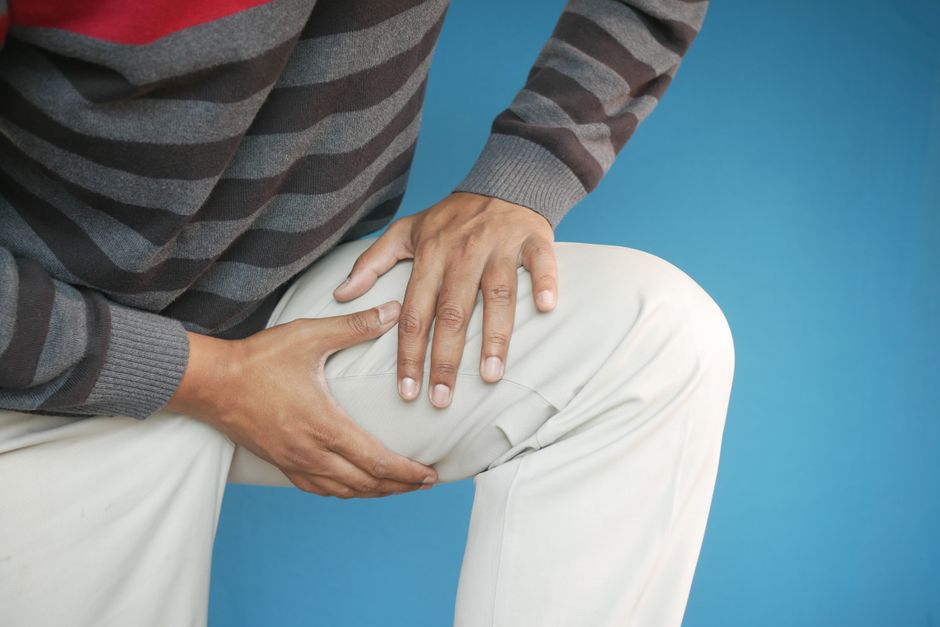
Why your knee hurts when you wear heels constantly
🦵 Not sure what's causing your knee pain?
Answer 5 quick questions and get a personalised result.
Find My Pattern → 60 seconds · No sign-upHigh heels change how your body distributes weight and moves through space. When you wear them every day, your knee doesn't get a break to recover.
Your calf muscles stay shortened in heels, which can pull on your knee joint and alter the angle at which your thighbone sits over your shinbone. This shift may place extra pressure on the outer edge of your knee or behind your kneecap, areas that aren't designed to handle that load repeatedly. The tighter your calves become, the more your knee compensates. This pattern is related to knee pain after standing all day, and the same management principles often apply.
Heels also tilt your pelvis forward slightly. This can weaken your core stability over time, forcing your knee to work harder to keep you upright during standing and walking. A knee without stable support from your hips and core has to manage forces it normally wouldn't.
The repetition matters enormously. Occasional heel-wearing might cause mild soreness. Daily wear means your knee never gets a full recovery cycle—the inflammation from Monday's meetings hasn't fully settled before Tuesday's standing events begin again.
There's also a psychological and social dimension that keeps many people wearing heels despite pain. Heels signal professionalism or formality in many workplaces and social settings. Switching to flats can feel like a visible downgrade, especially if you're in an environment where appearance carries weight. This conflict—between what your body needs and what you feel you need to do—often means the pain gets normalized and ignored until it becomes harder to manage.
What you can try, starting gently
Lower the heel height on your work shoes. You don't have to abandon heels entirely. Moving from a 3.5-inch heel to a 1.5-inch heel is a dramatic reduction in the angle your knee experiences, and it's often less noticeable to others than you'd expect. The goal is to give your knee a smaller demand during the hours you're standing.
Alternate shoes on different days. If you wear heels five days a week, try wearing supportive flats or sneakers two of those days—perhaps days when you have fewer meetings or less standing time. Your knee gets recovery days without requiring you to abandon heels entirely. This is often easier than an all-or-nothing switch and feels more manageable socially and professionally.
Stretch your calves deliberately in the evening. Tight calves are a primary driver of knee strain in heel-wearers. A simple wall calf stretch—one leg extended behind you, heel on the ground, leaning forward—held for 30 seconds on each side, done after you remove your heels, can gradually lengthen the muscle and reduce the pulling sensation on your knee. Do this every evening, not just when pain appears.
Ice your knee after standing-heavy days. If you've worn heels for a full day of meetings or events, ice your knee for 10-15 minutes when you get home. This isn't a cure, but it can interrupt the inflammation cycle that makes morning stiffness worse. The relief you feel when you sit down is real—ice extends that effect.
Consider a wider work wardrobe if possible. This is a practical barrier for many people, but if you have the resources, owning both professional heels and professional flats means you can genuinely alternate without sacrificing appearance. Some workplaces are also shifting away from strict heel requirements, so it's worth checking whether the pressure is external or self-imposed.
When to reach out for help
If your pain is sharp rather than dull, if it swells noticeably, if it doesn't improve when you rest, or if it's affecting how you walk even on days you wear flats, you need professional input. Pain that wakes you at night or makes stairs difficult is also a signal to get it checked. There's a close connection between this and knee pain after standing at work all day — the same structures are usually involved.
A physical therapist or doctor can identify whether the pain is coming from the outer knee, the kneecap, or behind the joint—each has different implications and different approaches. They can also rule out other issues that might be worsened by heel-wearing but aren't caused by it.
Safety note: If you have severe pain, significant swelling, a recent injury, fever, numbness, or difficulty bearing weight, speak with a qualified healthcare professional promptly.
Frequently Asked Questions
Q: Should I use a knee brace or compression sleeve for knee pain from wearing high heels every day?
A: A basic compression sleeve can offer comfort and mild support during activity, and many people find it helpful in the short term. Don't rely on it long-term without also addressing the root cause — whether that's strength, flexibility, or movement patterns.
Q: Can stretching help with knee pain from wearing high heels every day?
A: Gentle stretching of the quadriceps, hamstrings, calves, and hip flexors can reduce the muscular tension that contributes to knee discomfort. A sustained, comfortable hold of 20 to 30 seconds is far more effective and safer than aggressive or bouncing stretches.
Q: How long does knee pain from wearing high heels every day usually last?
A: This varies a lot depending on the cause. Minor muscle strain or overuse tends to settle within a few days to two weeks with appropriate rest and gentle movement. If it hasn't improved after three weeks — or symptoms are worsening — that's a clear signal to get a professional opinion.
A Simple Next Step
Most people who take early, sensible action recover well. Start with what you can manage today and monitor closely. If things are not improving after a few weeks, that is the right time to bring in professional support.
Helpful Next Step
As an Amazon Associate, we may earn from qualifying purchases. This does not affect the price you pay.
Helpful Support Option
If this type of knee discomfort shows up during daily movement, light support may help reduce strain on the joint while you work on the underlying cause.
See knee support options on AmazonHelpful Next Step
If gentle support helps during recovery, you can check a simple support option that many people use in daily life. There's a close connection between this and knee pain on stairs after leg day workout — the same structures are usually involved.
This content is for educational purposes only and does not constitute medical advice. Always consult a qualified healthcare professional for diagnosis and treatment.