🦵 Not sure what's causing it? Take the 5-question knee quiz.
Find My Pattern →Knee Pain After Housework Scrubbing Floors
You're on your hands and knees scrubbing the kitchen tiles, and everything feels fine. Your knees might be a bit uncomfortable on the hard floor, but you push through because you're almost done. Then you stand up, and there's a sharp twinge that makes you pause. You shake it off and finish the job. But later that evening, when you sit down to rest, a dull ache settles in around your kneecap—the kind that feels worse the longer you stay still. By morning, your knee is stiff and sore in a way it wasn't even during the scrubbing itself. This delayed, intensifying pain is what makes household cleaning different from other knee injuries. It sneaks up on you, and by the time you recognize it, you've already pushed your knee past what it could comfortably handle.
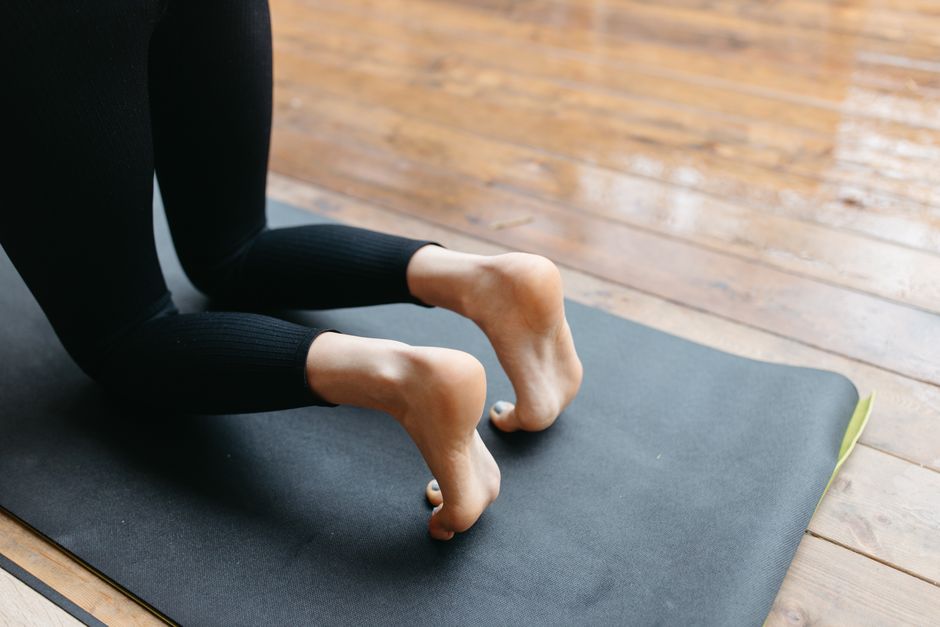
Why scrubbing floors puts specific stress on your knees
🦵 Not sure what's causing your knee pain?
Answer 5 quick questions and get a personalised result.
Find My Pattern → 60 seconds · No sign-upScrubbing is a repetitive motion that combines several movements your knee wasn't necessarily prepared for. When you kneel, you're putting sustained pressure through the kneecap into the hard floor. When you lunge forward and twist your torso to reach different areas, you're loading the knee at angles that don't happen during normal walking or everyday movement. The twisting component is particularly important—your knee can handle forward-and-back motion reasonably well, but rotational stress while bearing weight can irritate the tissues around the kneecap.
Unlike exercise, household cleaning often happens without warm-up. You go from sitting or standing directly into kneeling and scrubbing for 20 or 30 minutes straight. Your muscles haven't gradually prepared for the load, and your nervous system hasn't signaled them to brace properly. This sudden demand can cause muscles around the knee to tighten unevenly, pulling the kneecap slightly out of its ideal tracking path. Over time, this creates friction and irritation.
There's also a mental component that makes household pain different. When you're exercising and feel discomfort, you might stop. But when you're cleaning your home, there's a psychological push to finish the task. You tell yourself the pain is just temporary, that you're almost done. This "pushing through" mentality means you often continue moving in ways that aggravate the knee, compounding the damage. By the time you're done, you've done more harm than you might have realized.
The delayed ache that appears hours later—sometimes not until the next morning—happens because inflammation builds gradually. During the activity, adrenaline and focus mask the pain. Once you stop and cool down, your body's inflammatory response kicks in fully, and that's when the dull, heavy sensation becomes obvious. This timing can make it hard to connect the pain directly to the scrubbing, which sometimes leads people to keep cleaning despite warning signs.
What you can try to manage the pain
Respect the surface you're kneeling on. Hard tile or linoleum is significantly less forgiving than carpet. If you're regularly scrubbing hard floors, use a thick kneeling pad or folded towel under your knees. This isn't just comfort—it reduces the repetitive impact and pressure concentration. Some people find that switching to a long-handled scrub brush (so you can stand and bend rather than kneel) eliminates the problem entirely, though this requires more core and hip strength.
Break the task into shorter sessions. Instead of scrubbing your entire kitchen floor in one session, do half of it one day and half another. This distributes the repetitive stress across multiple days, giving your tissues time to recover between sessions. You might feel like you're accomplishing less, but you're actually protecting your knee from cumulative overload.
Pay attention to how you stand up. When you're done kneeling, don't push straight up from your knees. Instead, shift your weight onto one leg, place your hands on something stable, and use your arms and legs together to stand. This reduces the sudden load spike through the kneecap that happens when you stand directly from a kneeling position—that sharp twinge you feel is often this exact moment.
Apply cold after cleaning, not during. Wait until you're finished and can sit down properly. A cold pack or even a bag of frozen vegetables held against your knee for 15 to 20 minutes can help slow inflammation. The key is doing this after activity, not as a preventive measure during.
Wear shoes with actual support while cleaning. Socks or bare feet on a hard floor means your feet and ankles aren't stable, which forces your knees to compensate for that instability. Wearing supportive shoes (not slippers) gives your whole leg a more stable foundation, reducing the compensatory stress on your knees.
When to reach out to a healthcare professional
If the pain is sharp and immediate during the activity (not just afterward), if you notice swelling that lasts more than a day or two, if your knee feels unstable or gives way, or if the pain is preventing you from doing basic tasks, it's time to talk to a doctor or physical therapist. They can assess whether there's actual tissue damage or if this is just muscular irritation from overuse. There's a close connection between this and knee pain after walking on hard floors — the same structures are usually involved.
Safety note: If you have severe pain, significant swelling, a recent injury, fever, numbness, or difficulty bearing weight, speak with a qualified healthcare professional promptly.
Frequently Asked Questions
Q: Can stretching help with knee pain after housework scrubbing floors?
A: Gentle stretching of the quadriceps, hamstrings, calves, and hip flexors can reduce the muscular tension that contributes to knee discomfort. A sustained, comfortable hold of 20 to 30 seconds is far more effective and safer than aggressive or bouncing stretches.
Q: Is it normal to hear clicking sounds alongside knee pain after housework scrubbing floors?
A: Joint sounds are extremely common and usually harmless — they often come from gas bubbles in the joint fluid or tendons flicking over bony prominences. If the clicking is painless and your knee functions normally, it's generally nothing to worry about. If it's accompanied by pain or swelling, mention it to a healthcare professional.
Q: Why does my knee feel worse after sitting for a long time?
A: This pattern — stiffness or pain after prolonged sitting that eases once you move around — is a hallmark of irritation around the kneecap or the soft tissues surrounding it. The joint stiffens in a flexed position, and the first movement disturbs it. Most people find it settles within a minute or two of walking.
A Simple Next Step
Most people who take early, sensible action recover well. Start with what you can manage today and monitor closely. If things are not improving after a few weeks, that is the right time to bring in professional support.
Helpful Next Step
As an Amazon Associate, we may earn from qualifying purchases. This does not affect the price you pay.
Helpful Support Option
If kneeling is part of your daily routine, padded knee protection can reduce direct pressure on the joint and the surrounding soft tissue.
See knee pad optionsHelpful Next Step
If gentle support helps during recovery, you can check a simple support option that many people use in daily life.
This content is for educational purposes only and does not constitute medical advice. Always consult a qualified healthcare professional for diagnosis and treatment.