🦵 Not sure what's causing it? Take the 5-question knee quiz.
Find My Pattern →Knee Pain When Skiing on Slopes
Halfway down a blue run, your knee starts sending signals. Maybe it's a sharp catch that comes and goes as you turn left, or a dull throb that only gets bad after you've been sitting in the lodge for twenty minutes. Some days the pain feels manageable—you can push through a few more runs. Other days, a patch of icy snow makes your knee feel unstable in a way that genuinely scares you. By evening, you're not sure if the pain is from today's skiing or something that's been building all season. Skiing with knee pain isn't just about the discomfort on the mountain—it's about the uncertainty that follows you into the next day, and the question of whether you should even book another trip.
Why your knees struggle on the slopes
🦵 Not sure what's causing your knee pain?
Answer 5 quick questions and get a personalised result.
Find My Pattern → 60 seconds · No sign-upSkiing puts your knees in a position they rarely experience in everyday life. Your legs are bent, your weight shifts constantly between edges, and you're absorbing impact while moving at speed. Several things can tip this delicate balance toward pain.
Fatigue changes how your muscles support your knees. Early in the day, your quadriceps and hamstrings are fresh and absorb force well. By afternoon—especially on your third or fourth run—those muscles tire. When they do, your knee joint takes on more of the load. This is why pain often builds as the day goes on, rather than appearing right away. You might feel fine at lunch and then notice a burning sensation in your outer knee by 3 p.m.
Fear of injury can actually create instability. If you've had knee pain before, you may unconsciously change how you ski to protect that knee. You might favor one leg, lean back slightly, or avoid committing fully to turns. This protective stance actually puts uneven stress on your knee, which can make pain worse rather than better. The irony is that guarding an injured knee sometimes causes more problems than the original injury.
Icy conditions expose weakness you don't feel on groomed runs. Soft, well-groomed snow forgives small mistakes. Ice doesn't. When your knee feels unstable on a hard patch, it's often because the muscles around your knee aren't firing fast enough to stabilize the joint. This is different from structural damage—it's more about readiness and strength.
Equipment that's slightly off can create cumulative stress. Ski boots that are too tight in the calf can restrict blood flow and change how your leg aligns in the boot. Boots that are too loose force your muscles to work harder to keep your foot stable. Neither causes immediate pain, but both add stress to your knee over the course of a day.
What you can try
Start by paying attention to the timing of your pain. Does it appear after a specific type of turn? Does it get worse as the day goes on? Does it improve with movement or worsen? These details matter more than you might think.
Take a real break, not just a lodge break. Sitting for twenty minutes can make pain worse because your knee stiffens. Instead, try standing or walking slowly for 5-10 minutes. Move your leg gently through its range of motion. Often, pain that feels bad sitting down improves once you start moving again—this is useful information about what's happening in your knee.
Shorten your runs if pain is building. This isn't quitting early; it's being honest about what your knee can handle. If you notice pain increasing through the afternoon, doing two shorter runs instead of three longer ones can make a real difference in how you feel the next day. You'll also ski better because you're not compensating for fatigue.
Check your boot fit before the season starts. Have a boot fitter look at your setup, not just for comfort but for alignment. A small adjustment to calf height or forward lean can change how your knee tracks during turns. This isn't something you'll feel immediately, but it reduces cumulative stress over a full day of skiing.
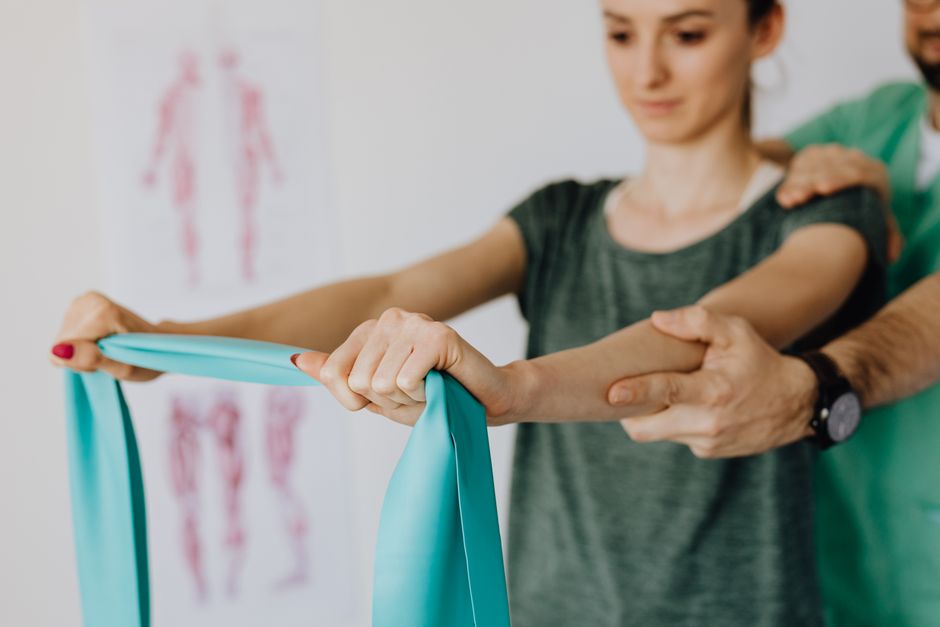
Strengthen your legs in the weeks before you ski. Single-leg exercises (lunges, step-ups, single-leg squats) matter more than generic strength work because they teach your muscles to stabilize your knee the way skiing demands. Aim for 2-3 sessions per week in the month before your trip.
Warm up your legs before you ski, not just your body. A five-minute warm-up run on an easy slope—where you're moving gently and building heat in your muscles—is different from stretching at the base lodge. Your muscles need to be warm and ready before you ask them to absorb impact.
When to talk to a professional
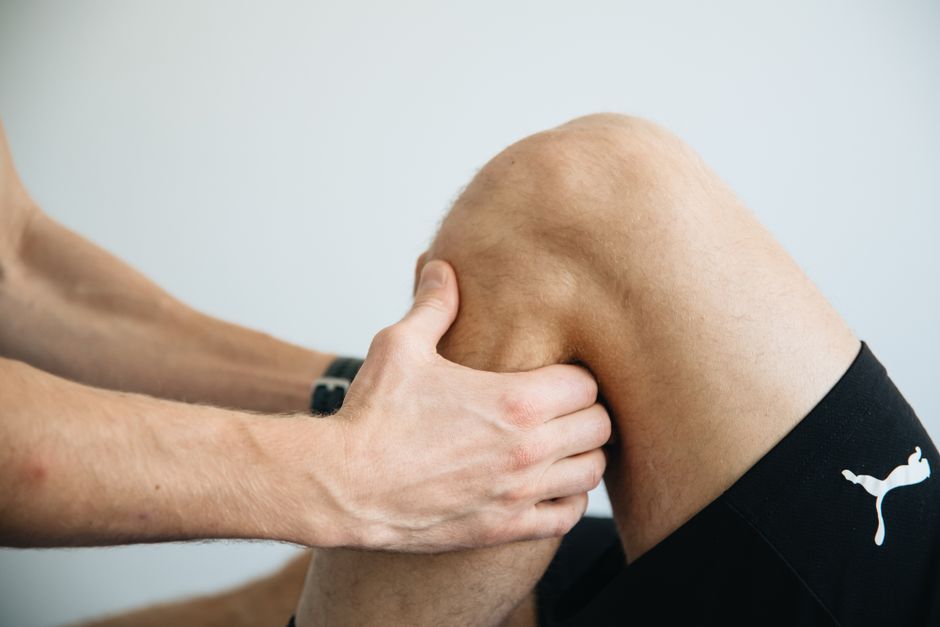
Pain that gets worse despite these changes, pain that limits your ability to turn in one direction, or pain that doesn't improve overnight may need professional assessment. The same goes for swelling that doesn't reduce with rest, or a feeling that your knee might give out.
Safety note: If you have severe pain, significant swelling, a recent injury, fever, numbness, or difficulty bearing weight, speak with a qualified healthcare professional promptly.
Frequently Asked Questions
Q: Why does my knee feel worse after sitting for a long time?
A: This pattern — stiffness or pain after prolonged sitting that eases once you move around — is a hallmark of irritation around the kneecap or the soft tissues surrounding it. The joint stiffens in a flexed position, and the first movement disturbs it. Most people find it settles within a minute or two of walking.
Q: Should I apply heat or ice to a painful knee?
A: Cold — ice wrapped in a cloth — works better for acute flare-ups, particularly in the first 24 to 48 hours when the area feels warm or inflamed. Gentle heat tends to be more helpful for muscle stiffness and chronic, recurring aches. Never apply either directly to bare skin.
Q: Can stretching help with knee pain when skiing on slopes?
A: Gentle stretching of the quadriceps, hamstrings, calves, and hip flexors can reduce the muscular tension that contributes to knee discomfort. A sustained, comfortable hold of 20 to 30 seconds is far more effective and safer than aggressive or bouncing stretches.
Where to Go From Here
Most people who take early, sensible action recover well. Start with what you can manage today and monitor closely. If things are not improving after a few weeks, that is the right time to bring in professional support.
Helpful Next Step
As an Amazon Associate, we may earn from qualifying purchases. This does not affect the price you pay.
Helpful Support Option
Resistance bands are commonly used in knee rehabilitation to build quad and glute strength without placing heavy load on the joint. A useful addition to a home exercise routine.
See resistance band optionsHelpful Next Step
If gentle support helps during recovery, you can check a simple support option that many people use in daily life.
This content is for educational purposes only and does not constitute medical advice. Always consult a qualified healthcare professional for diagnosis and treatment.