🦵 Not sure what's causing it? Take the 5-question knee quiz.
Find My Pattern →Knee Pain After Basketball Jump Landing
You come down hard from a jump shot or a defensive rebound, and for a split second everything feels normal. Then, as your foot plants and your weight shifts, something tightens in your knee. Maybe it's sharp. Maybe it's a dull ache that doesn't fully register until you've already taken a few more steps. By the time you're sitting on the bench or heading to the locker room, you're wondering if you can finish the game—or if you should.
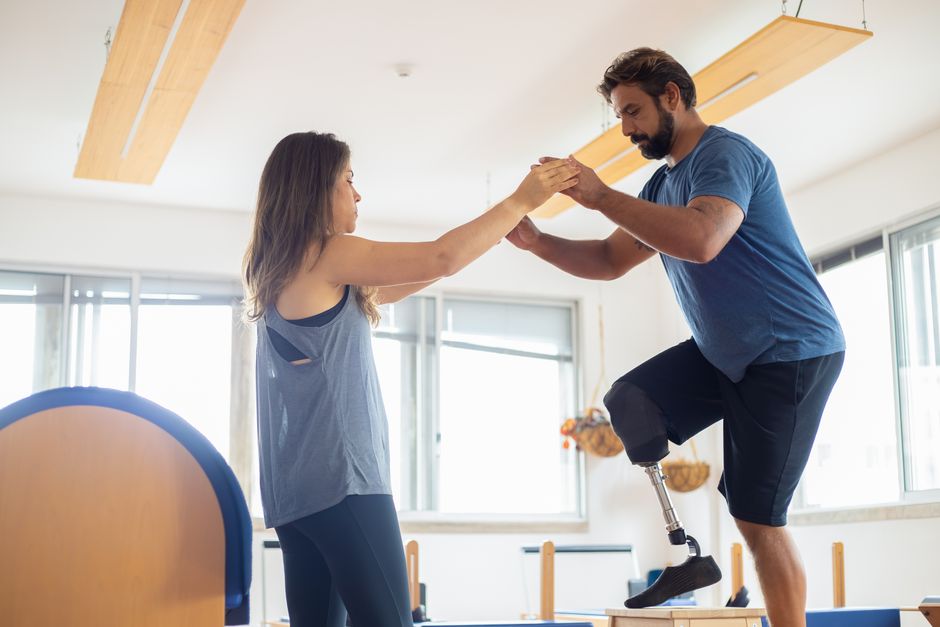
This kind of pain after a jump landing is common in basketball players, but it's not always the same injury for everyone. The way your knee feels, when it started hurting, and how it changes over the next few hours or days all matter when you're trying to understand what happened.
Why Your Knee Hurts After Landing
🦵 Not sure what's causing your knee pain?
Answer 5 quick questions and get a personalised result.
Find My Pattern → 60 seconds · No sign-upWhen you jump and land, your knee absorbs force that can be several times your body weight. A few things can go wrong in that moment.
Poor landing mechanics is often the culprit. If your foot lands too far forward of your body, or if your knee caves inward (a position called valgus collapse) instead of staying aligned over your foot, you're putting stress on structures that aren't designed to handle it that way. This happens especially fast in basketball when you're focused on the ball, not your foot position. Your quadriceps and hip muscles may not fire in the right sequence to stabilize your knee, and the impact travels unevenly through the joint.
Muscle fatigue plays a bigger role than many players realize. Late in the second half, when your legs are tired, your muscles can't absorb landing forces as effectively. The same jump that felt fine in the first quarter suddenly feels different. Your knees have to work harder, and that's when pain appears—sometimes immediately, sometimes a few hours later as inflammation builds.
A sudden change in direction or weight shift during landing can irritate the tissues around your kneecap or strain the tendons that attach muscle to bone. Basketball isn't a straight-line sport. You're landing, then immediately cutting left or pushing off to defend. That combination of forces in quick succession can overwhelm structures that are already working hard.
Previous ankle or hip tightness can also set this up. If your ankle doesn't move as freely as it should, or if your hip flexors are tight, your knee has to compensate during landing. It takes on angles and stresses it wasn't meant to handle, and pain is the result.
What You Can Do Right Now
Start with ice immediately after pain begins. Twenty minutes on, then off. This isn't about toughness—ice reduces swelling, which reduces pressure inside the joint and can ease that tight, heavy sensation. Apply it even if the pain feels mild. Swelling often peaks 2 to 4 hours after the injury, not right away, so icing early can prevent it from getting worse.
Avoid walking or standing for long periods in the first 24 to 48 hours if the pain is sharp or if you notice swelling. This doesn't mean complete bed rest, but it does mean being honest about what makes it worse. If walking to class or practice makes the pain noticeably worse, that's information. Your knee is telling you it needs less load right now.
Compression with an elastic bandage or sleeve can help. Wrap it snugly enough that it feels supportive but not so tight that your calf feels tingly or your foot goes numb. The compression limits swelling and gives your knee a sense of stability, which can reduce the fear of it "giving way" when you move.
Elevate your leg when you're sitting or lying down, especially in the first few days. Prop it on pillows so your knee is higher than your hip. This helps fluid drain away from the joint instead of pooling there.
Move gently within pain limits. This is different from "rest completely." Slow, controlled movements—walking slowly, gentle knee bends, moving your leg in the pool if you have access—can actually help recovery by keeping blood flowing and preventing stiffness. But there's a difference between gentle movement and pushing through pain. If something causes sharp pain, stop.
When to Talk to a Professional
If your pain is severe enough that you can't put weight on your leg, or if you felt a pop or sudden giving way during the landing, see a healthcare professional soon. Significant swelling that appears within a few hours, warmth around the knee, or a feeling that your knee is unstable when you try to move it are also signs to get checked.
Pain that's mild but doesn't improve after 3 to 5 days, or pain that gets worse even with rest and ice, deserves professional attention. The same goes if you have numbness, tingling, or difficulty straightening or bending your knee fully. There's a close connection between this and knee pain when doing jump squats — the same structures are usually involved.
One thing many players don't mention: fear of re-injury can be as limiting as the pain itself. If you're hesitant to land on that leg or to cut sharply because you're afraid it will happen again, that's worth discussing with a professional. They can help you understand what's actually healed and what movements are safe, so you're not playing in fear.
Safety note: If you have severe pain, significant swelling, a recent injury, fever, numbness, or difficulty bearing weight, speak with a qualified healthcare professional promptly.
Frequently Asked Questions
Q: Why does my knee feel worse after sitting for a long time?
A: This pattern — stiffness or pain after prolonged sitting that eases once you move around — is a hallmark of irritation around the kneecap or the soft tissues surrounding it. The joint stiffens in a flexed position, and the first movement disturbs it. Most people find it settles within a minute or two of walking.
Q: Should I use a knee brace or compression sleeve for knee pain after basketball jump landing?
A: A basic compression sleeve can offer comfort and mild support during activity, and many people find it helpful in the short term. Don't rely on it long-term without also addressing the root cause — whether that's strength, flexibility, or movement patterns.
Q: Can I still walk normally when I have knee pain after basketball jump landing?
A: Many people manage normal walking despite this kind of discomfort. If walking causes you to limp or noticeably change your gait, though, that's worth addressing — compensating patterns often create new problems in the hips, lower back, or opposite knee over time.
One Thing to Try First
Most people who take early, sensible action recover well. Start with what you can manage today and monitor closely. If things are not improving after a few weeks, that is the right time to bring in professional support.
Helpful Next Step
As an Amazon Associate, we may earn from qualifying purchases. This does not affect the price you pay.
Helpful Support Option
Resistance bands are commonly used in knee rehabilitation to build quad and glute strength without placing heavy load on the joint. A useful addition to a home exercise routine.
See resistance band optionsHelpful Next Step
If gentle support helps during recovery, you can check a simple support option that many people use in daily life.
This content is for educational purposes only and does not constitute medical advice. Always consult a qualified healthcare professional for diagnosis and treatment.