🦵 Not sure what's causing it? Take the 5-question knee quiz.
Find My Pattern →Knee Pain When Kneeling to Pick Something Up
Your hand reaches for something on the floor—a dropped pen, a child's toy, a piece of paper. You bend your knee to lower yourself down, and somewhere in that first quarter of the movement, you feel it: a sharp pinch at the front of your knee, or sometimes a dull heaviness that builds as you commit more weight to the bent position. The frustrating part isn't always that the pain stops you completely. Often you can finish the movement, stay kneeling for a moment, and then the real problem arrives—standing back up creates a different kind of discomfort, a stiffness or instability that makes you hesitate before you fully straighten your leg. It's a small task that shouldn't require thought, but now it does.
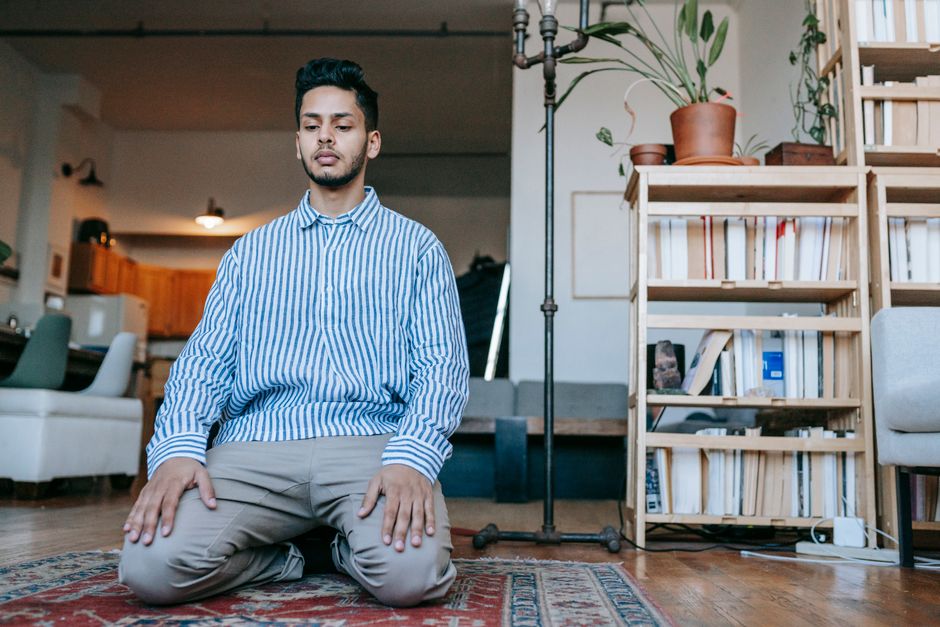
Why this happens when you kneel under load
🦵 Not sure what's causing your knee pain?
Answer 5 quick questions and get a personalised result.
Find My Pattern → 60 seconds · No sign-upWhen you lower yourself to pick something up, your knee bends while bearing your body weight. That combination—flexion plus load—concentrates pressure on specific structures inside and around your knee joint. Several things can make this moment painful.
The tissues under your kneecap may be irritated. As your knee bends, the kneecap (patella) tracks through a groove in your thighbone. If the muscles around your hip and thigh aren't balanced, or if those muscles are tight, the kneecap can track slightly off-center. The pressure changes, and the cartilage surface or the soft tissues around it become aggravated. This often feels like a pinch or pressure at the front of the knee, and it can be worse on certain surfaces—kneeling on tile or hardwood often hurts more than kneeling on carpet, because carpet gives slightly and reduces the direct pressure. It's worth knowing that knee pain when bending to pick something up follows a very similar pattern and responds to the same kind of approach.
The tendons that attach muscle to bone can also be involved. Your quadriceps tendon (above the kneecap) and patellar tendon (below it) both experience increased tension as you lower your body weight into a bent-knee position. If these tendons are overworked or haven't recovered from recent activity, that downward phase of kneeling can create a sharp or burning sensation.
Meniscus irritation is another possibility. The menisci are cartilage pads that sit between your thighbone and shinbone. When you kneel and shift your weight, these pads can be pinched or compressed. You might notice the pain feels more like a catch or a momentary sharp sensation that sometimes improves once you're fully kneeled, but returns when you stand.
Lastly, the joint itself may be inflamed from overuse or from an earlier injury that didn't fully resolve. In this case, kneeling creates pressure inside the joint capsule, and you feel a dull, building ache during the lowering phase.
What you can try
Change how you lower yourself. The speed and angle of your descent matter. Instead of bending quickly or bending straight down, try lowering yourself more slowly and at a slight angle—shift your weight slightly to one side as you bend. This can reduce the direct pressure on the sensitive areas under your kneecap. Some people find that leading with one knee (kneeling on one knee first, then the other) feels better than dropping both knees at once.
Use your hands for support. Don't underestimate how much difference it makes to place your hands on a nearby surface—a chair, table, or even the floor itself—as you lower down. Your hands can carry 20-30% of your body weight, which meaningfully reduces the load your knee has to manage. This isn't cheating; it's intelligent movement.
Avoid kneeling on hard surfaces when possible. If you need to kneel regularly, use a cushion, folded towel, or knee pad. The difference between kneeling on tile and kneeling on a thick cushion can be substantial. Softer surfaces distribute pressure more evenly and reduce the sharp pinch many people experience.
Try picking things up differently. Squatting (bending your hips and knees while keeping your back relatively straight) distributes the load across more muscles and joints. It may feel awkward at first, but many people find it less painful than kneeling. Alternatively, sitting down fully and then reaching, or using a grabber tool, removes the kneeling requirement entirely while your knee settles.
Ice after kneeling activities. If you've spent time kneeling or if the pain is noticeable after you've picked things up, applying ice for 15-20 minutes can help reduce inflammation. Cold reduces swelling and can ease the dull ache that builds over time.
When to see a healthcare professional
If the pain is sharp and prevents you from completing the movement, if you notice your knee feels unstable or like it might give way, or if the pain is accompanied by significant swelling, speak with a doctor or physical therapist. The same applies if pain has been present for more than a few weeks despite trying modifications, or if the pain is worsening rather than improving. This pattern is related to both knees hurt when kneeling on any surface, and the same management principles often apply.
Pay attention to whether the pain is limiting your daily life. If you're avoiding rooms in your house, changing how you play with children, or developing workarounds that feel unsustainable, that's a sign to get an evaluation. A professional can identify exactly which structure is involved and guide you toward real recovery rather than just managing around the problem.
Safety note: If you have severe pain, significant swelling, a recent injury, fever, numbness, or difficulty bearing weight, speak with a qualified healthcare professional promptly.
Frequently Asked Questions
Q: Is it safe to exercise with knee pain when kneeling to pick something up?
A: Gentle, low-impact movement is often beneficial — walking, swimming, and cycling tend to be well-tolerated. Avoid anything that sharply increases the discomfort. A physiotherapist can help identify which exercises are right for your specific situation and severity.
Q: When should I stop exercising because of knee pain when kneeling to pick something up?
A: Stop if the pain is sharp, climbing steadily during exercise, or causing you to change how you move. Mild, stable discomfort that stays at a 2 to 3 out of 10 is often acceptable to work through gently. Anything above that — or pain that simply feels wrong — is your cue to stop and reassess.
Q: Is it normal to hear clicking sounds alongside knee pain when kneeling to pick something up?
A: Joint sounds are extremely common and usually harmless — they often come from gas bubbles in the joint fluid or tendons flicking over bony prominences. If the clicking is painless and your knee functions normally, it's generally nothing to worry about. If it's accompanied by pain or swelling, mention it to a healthcare professional.
A Simple Next Step
Most people who take early, sensible action recover well. Start with what you can manage today and monitor closely. If things are not improving after a few weeks, that is the right time to bring in professional support.
Helpful Next Step
As an Amazon Associate, we may earn from qualifying purchases. This does not affect the price you pay.
Helpful Support Option
If kneeling is part of your daily routine, padded knee protection can reduce direct pressure on the joint and the surrounding soft tissue.
See knee pad optionsHelpful Next Step
If gentle support helps during recovery, you can check a simple support option that many people use in daily life. This pattern is related to front of knee hurts when kneeling, and the same management principles often apply.
This content is for educational purposes only and does not constitute medical advice. Always consult a qualified healthcare professional for diagnosis and treatment.