🦵 Not sure what's causing it? Take the 5-question knee quiz.
Find My Pattern →Knee Pain After Hiking
You felt fine during most of the hike—maybe even strong on the way up. But somewhere on the descent, a sharp twinge caught you off guard, and now, two days later, your knee feels heavier and stiffer than it did the day after the hike. That's the confusing part: the pain didn't peak immediately. It shifted. It changed shape. And now you're wondering if you actually injured something or if this is just normal soreness that will pass.
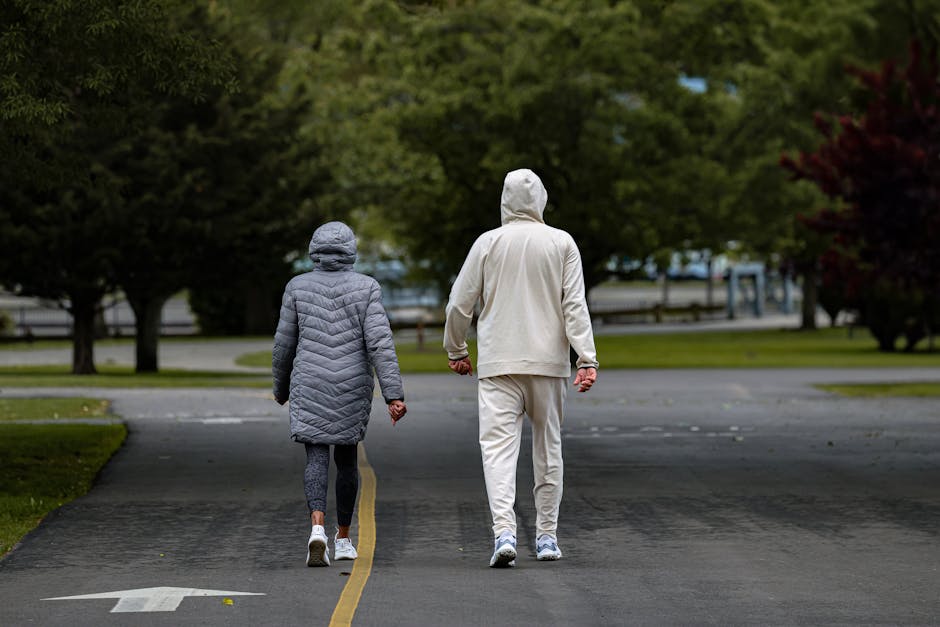
Why your knee hurts after hiking
🦵 Not sure what's causing your knee pain?
Answer 5 quick questions and get a personalised result.
Find My Pattern → 60 seconds · No sign-upHiking puts your knees through a specific kind of stress that flat ground doesn't. Going downhill is the real culprit—your quadriceps (the muscles on the front of your thigh) work overtime to control your descent and prevent your body from tumbling forward. This eccentric muscle work—lengthening under tension—creates microscopic damage that can feel delayed. You might notice the worst pain isn't the evening of the hike, but the morning after, or even 48 hours later when stiffness peaks.
Several things can trigger this pattern. If you hiked longer or steeper than your usual routine, your legs simply weren't conditioned for that demand. The muscles tire, form breaks down slightly, and your knee joint absorbs more impact than it's used to. The meniscus (cartilage that cushions your knee) and the tissues around the joint can become inflamed, which causes that dull, heavy sensation that worsens after sitting for an hour and improves a little with movement.
Hiking downhill also places extra pressure through the kneecap (patella) and the groove it sits in. If your hip muscles or glutes are weaker than your quadriceps, your kneecap can track slightly off-center with each step, creating friction and irritation. This often feels like a dull ache under or around the kneecap rather than a sharp, localized pain.
Footwear matters too. Worn-out hiking boots or shoes without enough arch support can shift how your foot lands, which changes the angle of force traveling up through your knee. You might not notice this during the hike itself, but the cumulative effect shows up as soreness afterward.
What to try in the first week
Start by giving your knee genuine rest—not complete immobility, but avoiding the activities that triggered the pain. Walking on flat ground is usually fine; hiking downhill or high-impact activities like running should wait. Many people find that 3–5 days of reduced activity allows the initial inflammation to settle.
Cold can help in the first 48 hours, especially if you notice swelling. Apply ice for 15 minutes, remove it for at least 45 minutes, and repeat a few times a day. After 48 hours, warmth often feels better because it eases stiffness. A warm shower or heating pad for 15–20 minutes before movement can help your knee feel less locked up.
Gentle movement often helps more than complete rest. Short, easy walks on flat surfaces can actually reduce stiffness and pain compared to sitting still all day. The key is "gentle"—you're not exercising; you're just moving without aggravating the joint. If a walk makes pain worse or triggers swelling, dial it back.
Pay attention to how your knee feels at different times of day. Many people notice that pain is worst after sitting for an hour (stiffness builds), improves after 5–10 minutes of light movement, then worsens again if they overdo it. This pattern is normal and doesn't mean you've made things worse—it's just how inflamed joints behave. You're learning what your knee tolerates right now, and that information is useful.
Over-the-counter anti-inflammatory medication can reduce swelling and pain, but check with a pharmacist or doctor about what's safe for you, especially if you take other medications. Some people find it helps them move more comfortably, which supports recovery.
When to see a professional
If your pain is severe (8 out of 10 or higher), or if you have significant swelling that doesn't improve with rest and ice, don't wait. The same goes if you heard a pop or felt your knee give way during the hike—that's worth getting checked.
Pain that's accompanied by fever, redness, or warmth in the joint suggests infection, which needs prompt attention. If you notice numbness, tingling, or difficulty bearing weight, those are also signs to seek care soon rather than waiting to see if it resolves.
Most post-hike knee pain improves within 1–2 weeks with rest and care. If yours hasn't improved after two weeks, or if it's getting worse, a physical therapist or doctor can assess whether something specific is going on and guide your recovery.
Safety note: If you have severe pain, significant swelling, a recent injury, fever, numbness, or difficulty bearing weight, speak with a qualified healthcare professional promptly.
Frequently Asked Questions
Q: Is it safe to exercise with knee pain after hiking?
A: Gentle, low-impact movement is often beneficial — walking, swimming, and cycling tend to be well-tolerated. Avoid anything that sharply increases the discomfort. A physiotherapist can help identify which exercises are right for your specific situation and severity.
Q: Why does my knee feel worse after sitting for a long time?
A: This pattern — stiffness or pain after prolonged sitting that eases once you move around — is a hallmark of irritation around the kneecap or the soft tissues surrounding it. The joint stiffens in a flexed position, and the first movement disturbs it. Most people find it settles within a minute or two of walking.
Q: Is it normal to hear clicking sounds alongside knee pain after hiking?
A: Joint sounds are extremely common and usually harmless — they often come from gas bubbles in the joint fluid or tendons flicking over bony prominences. If the clicking is painless and your knee functions normally, it's generally nothing to worry about. If it's accompanied by pain or swelling, mention it to a healthcare professional.
Where to Go From Here
Most people who take early, sensible action recover well. Start with what you can manage today and monitor closely. If things are not improving after a few weeks, that is the right time to bring in professional support.
Helpful Next Step
As an Amazon Associate, we may earn from qualifying purchases. This does not affect the price you pay.
Helpful Support Option
If this discomfort shows up during daily walking or standing, a compression sleeve may help reduce load on the joint during movement while the underlying cause is addressed.
See walking knee support optionsHelpful Next Step
If gentle support helps during recovery, you can check a simple support option that many people use in daily life.
This content is for educational purposes only and does not constitute medical advice. Always consult a qualified healthcare professional for diagnosis and treatment.