🦵 Not sure what's causing it? Take the 5-question knee quiz.
Find My Pattern →Knee Pain Walking Uphill
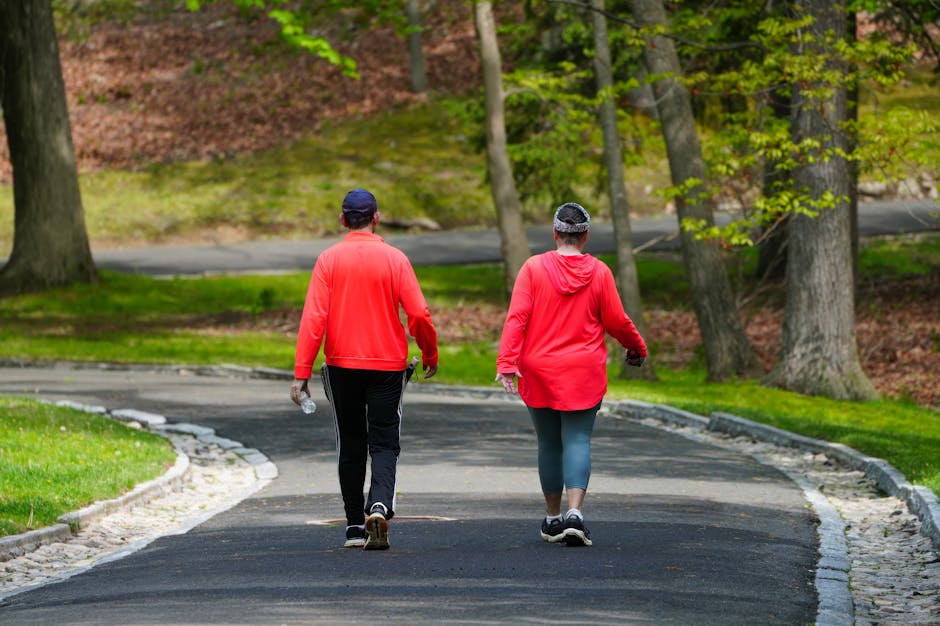
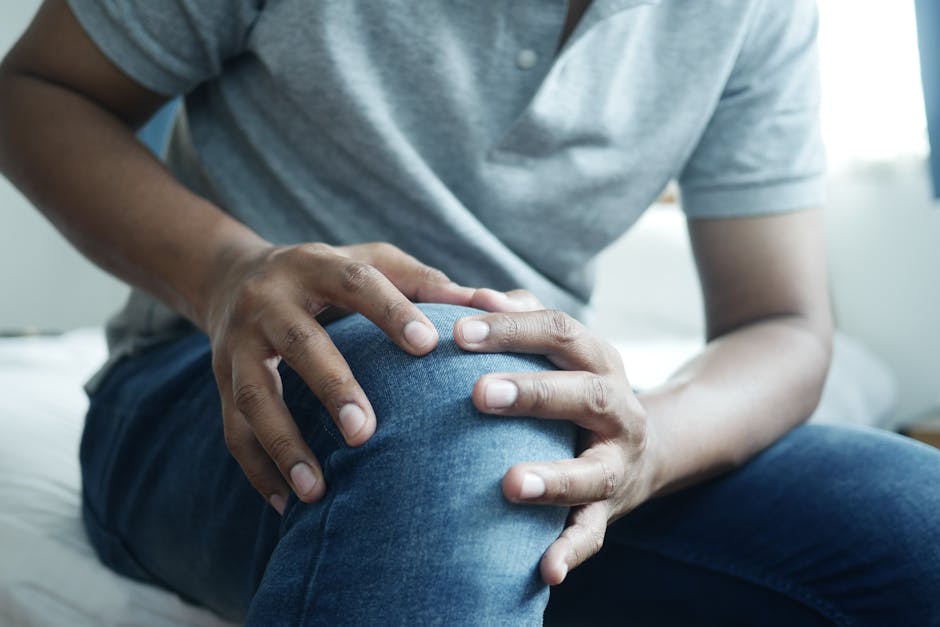
Climbing stairs at work becomes a calculation. You notice yourself taking the elevator instead of walking up two flights. A weekend hike that used to feel easy now means planning your route around gentler terrain. The pain doesn't always arrive at the same moment—sometimes it's a dull ache that builds gradually halfway up, sharpening on the final steps. Other times it hits immediately, a tight sensation across the front of your knee that makes you slow your pace and grip the handrail. What makes uphill walking so specifically painful, when flat ground feels fine, is the particular demand it places on your knee joint.
Why uphill walking triggers this pain
🦵 Not sure what's causing your knee pain?
Answer 5 quick questions and get a personalised result.
Find My Pattern → 60 seconds · No sign-upWalking uphill demands something different from your knee than flat walking does. Your quadriceps—the muscle group on the front of your thigh—has to work harder to lift your body weight against gravity with each step. This sustained contraction, combined with the angle of your knee as you climb, can irritate the tissues around your kneecap or create pressure in the joint itself.
The angle matters more than you might expect. On a steeper incline, your knee bends more deeply with each step, which can increase compression between your kneecap and the femur (thighbone) beneath it. If your quadriceps muscles are weak or unbalanced, or if your kneecap doesn't track perfectly straight as it moves, that pressure concentrates unevenly. Over time or with repeated strain, this can cause pain that feels localized, diffuse, or even like a grinding sensation. This pattern is related to knee pain after walking down stairs, and the same management principles often apply.
Fatigue plays a role that's easy to underestimate. You might feel fine climbing stairs in the morning, but after a full day at work—when your muscles are tired and your form starts to slip—that same staircase triggers sharp pain. Your body compensates for tired muscles by shifting weight or changing your stride, and your knee pays the price.
Tightness in your hip flexors, hamstrings, or calves can also contribute. When these muscles are stiff, they alter how your leg moves as you climb, forcing your knee to work in a slightly compromised position. The pain may not be in those muscles, but the restriction originates there.
What you can try
Adjust your pace and stride. Climbing slowly with smaller steps often feels better than trying to maintain a normal stride on an incline. Shorter steps mean less knee bend with each movement, which can reduce pressure. It feels awkward at first, but many people find this small change makes a real difference in how much pain they experience.
Strengthen your quadriceps gently. This takes time and consistency, but weak quads are often part of the problem. Straight-leg raises (lying down and lifting one leg straight out) or wall sits (leaning against a wall with your knees bent) can build strength without the impact of climbing itself. Start with low repetitions and progress slowly. Pain during these exercises is a signal to stop and try a gentler version.
Address tightness in your hips and calves. Tight hip flexors and hamstrings can pull your knee out of alignment without you realizing it. Simple stretches—holding your knee to your chest, or a standing quad stretch—done regularly may help. Calf stretches against a wall, held for 30 seconds on each side, can also reduce the tension that travels up your leg.
Use ice after climbing. If your knee feels warm, swollen, or achy after climbing stairs, applying ice for 15 minutes afterward can help manage inflammation. The relief often feels immediate, though stiffness may return when you move again—this is normal and doesn't mean the ice didn't help.
Pay attention to your shoes. Worn-down soles or shoes without arch support can change how your foot strikes the ground, which ripples up through your knee. You don't necessarily need expensive orthotics, but shoes that feel stable and comfortable during flat walking should be your baseline.
When to see a professional
If your pain is sharp rather than dull, or if it comes with swelling, a catching sensation that locks your knee, or pain that doesn't improve with rest and ice over a few weeks, a physical therapist or doctor can help identify what's happening. Pain that worsens quickly, or pain accompanied by instability (feeling like your knee might give way), also warrants professional evaluation. People dealing with this frequently also notice knee pain when walking on uneven ground, particularly after extended periods of inactivity.
The psychological weight of avoiding stairs matters too. If you're choosing routes based on terrain, skipping social activities because they involve climbing, or feeling anxious about your knee's reliability, talking to someone—whether that's a healthcare provider or a therapist—can help you navigate both the physical and emotional sides of this change.
Safety note: If you have severe pain, significant swelling, a recent injury, fever, numbness, or difficulty bearing weight, speak with a qualified healthcare professional promptly.
Frequently Asked Questions
Q: Can I still walk normally when I have knee pain walking uphill?
A: Many people manage normal walking despite this kind of discomfort. If walking causes you to limp or noticeably change your gait, though, that's worth addressing — compensating patterns often create new problems in the hips, lower back, or opposite knee over time.
Q: Should I use a knee brace or compression sleeve for knee pain walking uphill?
A: A basic compression sleeve can offer comfort and mild support during activity, and many people find it helpful in the short term. Don't rely on it long-term without also addressing the root cause — whether that's strength, flexibility, or movement patterns.
Q: When should I stop exercising because of knee pain walking uphill?
A: Stop if the pain is sharp, climbing steadily during exercise, or causing you to change how you move. Mild, stable discomfort that stays at a 2 to 3 out of 10 is often acceptable to work through gently. Anything above that — or pain that simply feels wrong — is your cue to stop and reassess.
A Simple Next Step
Most people who take early, sensible action recover well. Start with what you can manage today and monitor closely. If things are not improving after a few weeks, that is the right time to bring in professional support.
Helpful Next Step
As an Amazon Associate, we may earn from qualifying purchases. This does not affect the price you pay.
Helpful Support Option
If this discomfort shows up during daily walking or standing, a compression sleeve may help reduce load on the joint during movement while the underlying cause is addressed.
See walking knee support optionsHelpful Next Step
If gentle support helps during recovery, you can check a simple support option that many people use in daily life. This pattern is related to sharp knee pain when running uphill, and the same management principles often apply.
This content is for educational purposes only and does not constitute medical advice. Always consult a qualified healthcare professional for diagnosis and treatment.