🦵 Not sure what's causing it? Take the 5-question knee quiz.
Find My Pattern →Knee Pain After Long Walk
You finish a walk feeling fine—maybe even energized—and then a few hours later, when you sit down to rest, a dull ache starts building around your knee. Or worse: you wake up the next morning and the stiffness is worse than it was the evening before. The pain isn't sharp enough to have stopped you mid-walk, but it's persistent enough now that you're second-guessing whether you should have gone that distance at all.
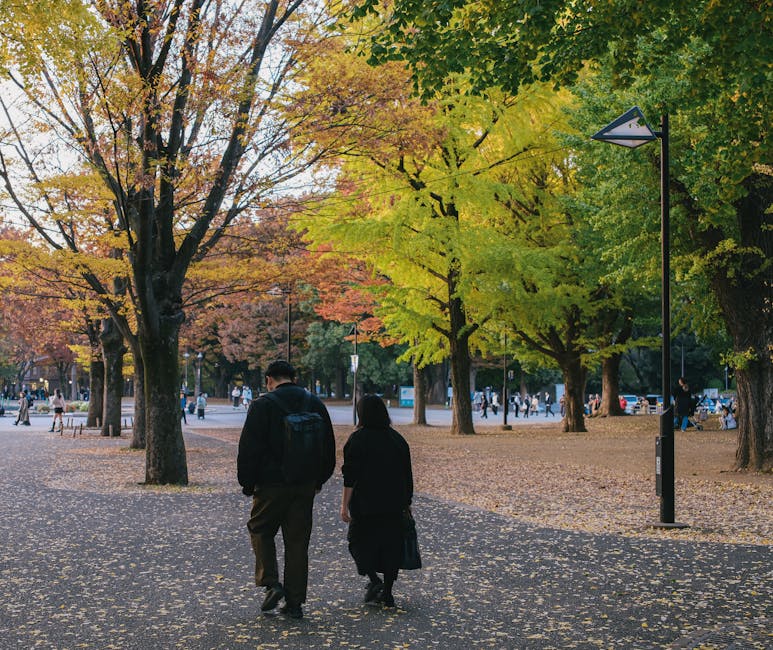
This delayed or creeping knee pain after a longer walk is one of the most frustrating patterns because it doesn't fit the "injury" narrative. You didn't fall. You didn't feel a pop. But something about that walk has left your knee sore, and now you're stuck wondering whether you can safely do it again or whether you've damaged something.
Why your knee hurts after walking longer distances
🦵 Not sure what's causing it? Take the 5-question knee quiz.
Find My Pattern →Several things can happen to your knee during an extended walk, and the pain often shows up hours later because inflammation builds gradually rather than all at once.
Repetitive stress without enough conditioning. If you've increased your walking distance suddenly—or returned to longer walks after a break—your knee structures may not be ready for that volume yet. The cartilage, tendons, and ligaments around your knee can handle a certain amount of repetitive bending and straightening, but pushing beyond what they're adapted to can irritate them. This irritation often feels like a dull ache that creeps in over hours rather than a sharp pain during the activity itself.
Subtle changes in how you walk. Fatigue during a long walk can shift your gait in ways you don't notice. You might lean slightly inward on one knee, take shorter strides, or change how your foot lands. These small adjustments can place stress on different parts of your knee joint. The pain may then appear when you're sitting still and your muscles relax—that's when inflammation becomes more noticeable.
Muscles around your knee losing endurance. Your quadriceps, hamstrings, and hip muscles act as shock absorbers and stabilizers for your knee. On a long walk, these muscles fatigue. As they tire, they provide less support to your knee joint, and the joint itself has to work harder. The pain you feel later can be your knee's way of signaling that those supporting muscles were overworked.
Inflammation from impact. Even walking—which is lower-impact than running—creates small amounts of inflammation in the joint, especially if the walk was on hard surfaces like pavement or concrete. This inflammation can take several hours to peak, which is why your knee often feels worse the next morning than it did the evening of the walk.
What you can try to manage the pain
Ice strategically, not automatically. Cold can help reduce inflammation, but timing matters. If your knee is achy the evening after a walk, applying ice for 15–20 minutes can help. However, if the pain is mostly stiffness the next morning, gentle warmth (a warm shower, a heating pad) may feel better because it helps loosen tight muscles. Pay attention to which one actually reduces your discomfort—your body's response matters more than a generic protocol.
Sit and stand deliberately. One of the most annoying moments is that sharp twinge when you stand up from sitting after your knee has been bent for a while. Avoid locking your knee straight when you stand; instead, straighten it slowly and gently. If you're sitting, try shifting your weight forward before you push up, rather than launching straight from a reclined position. This small change in how you transition can reduce that sudden pinch.
Build in a recovery day. This doesn't mean complete rest—it means choosing a different activity the day after a long walk. Gentle movement like easy cycling, swimming, or light stretching can actually help more than sitting still, because it keeps blood flowing to the area without the repetitive stress of walking. The goal is activity without the same impact pattern.
Strengthen the muscles that stabilize your knee without overdoing it. Your quadriceps and glutes are the real protectors here. But don't add intense strengthening on top of a long walk. Instead, on your non-walking days, do gentle bodyweight exercises: wall sits (hold for 20–30 seconds), straight-leg raises while lying down, or clamshells on your side. These build endurance in the supporting muscles without the joint stress of walking.
Adjust your walking pace and distance gradually. If you're returning to longer walks, add distance slowly—no more than 10% increase per week. This gives your knee structures time to adapt. Walking slightly slower also reduces impact force, even if the distance is the same.
When you should talk to a healthcare professional
Pain that appears after a walk is usually not an emergency, but certain patterns warrant professional evaluation sooner rather than later.
See someone if the pain is sharp and localized to one specific spot (rather than a general ache), if swelling develops, if you feel instability or your knee "gives way," or if the pain is preventing you from bearing weight normally. Also pay attention to whether the pain is getting worse with each walk rather than staying the same—that's a sign something needs to change.
If the pain lasts more than a week or two despite rest and ice, or if it's affecting how you walk in ways that are creating pain elsewhere (your hip, lower back, or other knee), that's also worth mentioning to a professional. Sometimes knee pain triggers a chain reaction of compensation patterns that need professional guidance to interrupt.
Safety note: If you have severe pain, significant swelling, a recent injury, fever, numbness, or difficulty bearing weight, speak with a qualified healthcare professional promptly.
Frequently Asked Questions
Q: Should I apply heat or ice to a painful knee?
A: Cold — ice wrapped in a cloth — works better for acute flare-ups, particularly in the first 24 to 48 hours when the area feels warm or inflamed. Gentle heat tends to be more helpful for muscle stiffness and chronic, recurring aches. Never apply either directly to bare skin.
Q: Why does my knee feel worse after sitting for a long time?
A: This pattern — stiffness or pain after prolonged sitting that eases once you move around — is a hallmark of irritation around the kneecap or the soft tissues surrounding it. The joint stiffens in a flexed position, and the first movement disturbs it. Most people find it settles within a minute or two of walking.
Q: Can I still walk normally when I have knee pain after long walk?
A: Many people manage normal walking despite this kind of discomfort. If walking causes you to limp or noticeably change your gait, though, that's worth addressing — compensating patterns often create new problems in the hips, lower back, or opposite knee over time.
Where to Go From Here
Most people who take early, sensible action recover well. Start with what you can manage today and monitor closely. If things are not improving after a few weeks, that is the right time to bring in professional support.
Helpful Next Step
As an Amazon Associate, we may earn from qualifying purchases. This does not affect the price you pay.
Helpful Support Option
If this discomfort shows up during daily walking or standing, a compression sleeve may help reduce load on the joint during movement while the underlying cause is addressed.
See walking knee support optionsHelpful Next Step
If gentle support helps during recovery, you can check a simple support option that many people use in daily life.
This content is for educational purposes only and does not constitute medical advice. Always consult a qualified healthcare professional for diagnosis and treatment.