🦵 Not sure what's causing it? Take the 5-question knee quiz.
Find My Pattern →Knee Pain on One Side Only When Resting
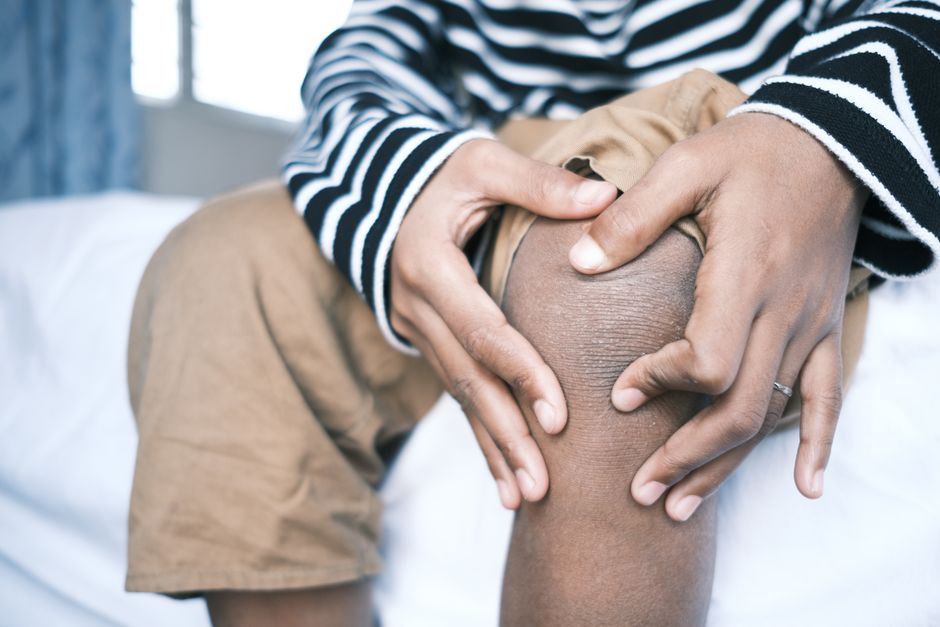
One side of your knee starts to ache the moment you sit down to relax. You might be fine during the day—walking, moving, staying busy—but the second you settle onto the couch or try to work at your desk, a dull throb or sharp pressure builds on the inner or outer edge of that one knee. It's frustrating because rest is supposed to help, yet it's when the pain shows up most clearly. The longer you stay still, the worse it feels, and then it eases almost immediately once you stand again. This pattern—pain that only appears when you're not moving—can make it hard to sit through a meal, focus at work, or find a comfortable sleeping position.
Why one-sided resting knee pain happens
🦵 Not sure what's causing your knee pain?
Answer 5 quick questions and get a personalised result.
Find My Pattern → 60 seconds · No sign-upPain that emerges specifically when you're stationary often points to how your knee joint handles pressure and fluid movement when you're not moving. Several things can create this pattern. If you also experience knee pain from carrying bags on one side only, the two issues often share the same underlying cause.
Uneven pressure and joint mechanics may be the culprit. When you sit or lie down, your body weight shifts, and the way your knee joint surfaces meet changes. If one side of your knee has less cartilage cushioning, experiences tighter muscles, or has a slight structural variation, that specific area can feel pinched or compressed the moment you stop moving. Movement actually helps distribute fluid and reduce pressure; stillness concentrates it.
Fluid buildup or inflammation on one side can develop from an old injury, repetitive strain, or overuse that affected only part of your knee. The inflammation may not bother you during activity because movement helps pump fluid through the joint, but sitting allows fluid to settle and press against sensitive tissues on that one side.
Muscle tightness on the affected side is common and often overlooked. If the muscles around your inner or outer knee are tight—perhaps from habit, past injury, or asymmetrical movement patterns—they can create a pulling sensation or restrict how freely your knee bends or straightens when you're at rest. The tension builds the longer you hold a position.
Referred tension from your hip or lower back can also cause one-sided knee pain when resting. If one side of your hip is tight or your lower back is strained, that tension can travel down and settle specifically in one knee, especially when you're sitting still and not counteracting it with movement.
What you can try
Start by paying attention to the exact moment pain appears. Does it kick in after five minutes of sitting, or does it build gradually over twenty? Does bending your knee make it worse, or does straightening it feel worse? These details matter because they help you understand what position is actually bothering your knee.
Adjust how you sit. Try different leg positions—one knee bent, both bent, one extended straight, a pillow under the affected knee. Many people find that keeping the painful knee slightly bent rather than locked straight reduces the pressure. Experiment for a few days and notice which position delays the pain or reduces its intensity. Sometimes a small rolled towel under the knee creates just enough support to change how pressure distributes.
Apply ice or heat strategically. Ice works well if there's swelling or sharp pain; heat can help if the issue is muscle tightness. Try ice for 15 minutes while sitting in a position that feels tolerable, then notice if the pain eases when you stand. Heat may feel better if the pain is a dull ache that builds with stillness. Some people find alternating between them helpful.
Move gently before settling down. A few minutes of easy walking, gentle knee bends, or slow circles with your leg can help distribute fluid in the joint and warm up the muscles. Then when you sit, the pain may take longer to appear or feel less intense. This isn't about exercise—it's about preparing your knee for stillness.
Watch for compensatory tension. One-sided knee pain often creates tension up the chain—your hip, lower back, or even the other knee may tighten as you unconsciously protect the painful side. Notice if you're holding tension elsewhere and try to relax those areas. Sometimes the real relief comes from loosening the hip or lower back on the painful side, not the knee itself.
Elevate with intention. Lying down with your affected knee slightly bent and supported by a pillow can reduce pressure differently than sitting. Try this for 10-15 minutes and notice whether the pain feels different in this position compared to sitting.
When to reach out for help
If the pain is sharp and sudden, if you can't bear weight on the leg, if there's significant swelling that doesn't improve with ice, or if the pain is getting worse despite trying these approaches, it's time to talk to a healthcare professional. The same goes if the pain started after an injury, if you notice numbness or tingling, or if you develop a fever alongside the knee pain. There's a close connection between this and sharp knee pain only at night when resting — the same structures are usually involved.
Safety note: If you have severe pain, significant swelling, a recent injury, fever, numbness, or difficulty bearing weight, speak with a qualified healthcare professional promptly.
Frequently Asked Questions
Q: Should I use a knee brace or compression sleeve for knee pain on one side only when resting?
A: A basic compression sleeve can offer comfort and mild support during activity, and many people find it helpful in the short term. Don't rely on it long-term without also addressing the root cause — whether that's strength, flexibility, or movement patterns.
Q: Why does my knee feel worse after sitting for a long time?
A: This pattern — stiffness or pain after prolonged sitting that eases once you move around — is a hallmark of irritation around the kneecap or the soft tissues surrounding it. The joint stiffens in a flexed position, and the first movement disturbs it. Most people find it settles within a minute or two of walking.
Q: Should I apply heat or ice to a painful knee?
A: Cold — ice wrapped in a cloth — works better for acute flare-ups, particularly in the first 24 to 48 hours when the area feels warm or inflamed. Gentle heat tends to be more helpful for muscle stiffness and chronic, recurring aches. Never apply either directly to bare skin.
What To Do Tomorrow Morning
Most people who take early, sensible action recover well. Start with what you can manage today and monitor closely. If things are not improving after a few weeks, that is the right time to bring in professional support.
Helpful Next Step
As an Amazon Associate, we may earn from qualifying purchases. This does not affect the price you pay.
Helpful Support Option
A knee pillow keeps the joint in a neutral position during sleep, which can reduce overnight pressure and morning stiffness.
See knee pillow optionsHelpful Next Step
If gentle support helps during recovery, you can check a simple support option that many people use in daily life. There's a close connection between this and knee pain only on stairs not when walking flat — the same structures are usually involved.
This content is for educational purposes only and does not constitute medical advice. Always consult a qualified healthcare professional for diagnosis and treatment.