🦵 Not sure what's causing it? Take the 5-question knee quiz.
Find My Pattern →Knee Pain From Carrying Bags on One Side Only
That moment when you stand up after sitting at your desk for two hours—shoulder bag still slung on the same side—and feel a sharp twinge on the inside of your knee. It passes quickly, so you ignore it. But by evening, when you're carrying the same bag on the commute home, there's a dull ache that wasn't there this morning. By the time you reach your stop, your whole right leg (or left, depending on your habit) feels heavier than the other. You've been doing this for months. Everyone around you carries bags the same way. Nobody else seems to have this problem.
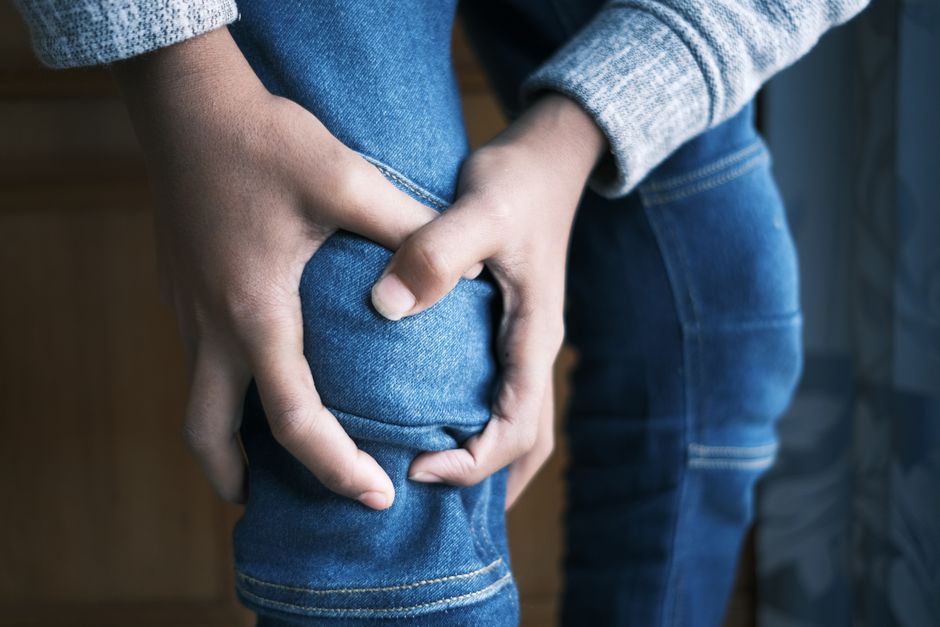
This kind of pain often sneaks up slowly because the load feels normal—it's your routine, your commute, your work bag. The problem isn't the bag itself. It's what happens to your body when one side carries weight day after day while the other side doesn't.
How one-sided carrying creates knee stress
🦵 Not sure what's causing your knee pain?
Answer 5 quick questions and get a personalised result.
Find My Pattern → 60 seconds · No sign-upWhen you consistently carry weight on one shoulder or in one hand, your body leans slightly toward that side to balance the load. This isn't something you do consciously—your muscles adjust automatically. Your pelvis tilts. Your spine curves a little differently. Your knee on the loaded side has to work harder to stabilize you, especially on uneven ground or during stairs. There's a close connection between this and knee pain from carrying extra body weight — the same structures are usually involved.
The knee pain you feel may actually come from several things happening at once. The muscles on the outside of your thigh (particularly the hip abductors) can become tight and overworked on the bag-carrying side, pulling on structures around the knee. At the same time, the muscles on the opposite side—the side without the bag—can become relatively weaker because they're not being challenged as much. This imbalance means your knee doesn't have even support from both sides, and it can track slightly off-center as you move. Over weeks, this uneven tracking can create irritation.
Your lower back and hip may also be compensating without you realizing it. Many people feel knee pain but the actual problem started higher up—in how the hip sits or how the lower back is bracing itself. The knee is just the loudest complaint.
There's also a timing element that matters. The pain often doesn't appear during the first hour of carrying the bag. It emerges later—during hour three of your workday, or specifically on the walk home when fatigue sets in and your muscles have less endurance to maintain that stabilizing effort. This delayed ache is different from sharp, immediate pain, and it's a signal that your tissues are tired from working unevenly. This pattern is related to knee pain only on stairs not when walking flat, and the same management principles often apply.
Practical steps to reduce the load on your knee
Rotate which side you carry on, but do it gradually. This is easier said than done if you've been using the same shoulder for years. Your body has muscle memory. Switching sides suddenly can feel awkward and may temporarily make things worse because you're now asking different muscles to do unfamiliar work. Instead, try carrying on your non-preferred side for just part of your commute—maybe the first 10 minutes—and gradually increase it over a week or two. This gives those muscles time to adapt without shocking them.
Distribute the weight differently. If you're using a shoulder bag, consider a backpack that spreads weight across both shoulders, or a crossbody bag worn across your chest (not slung to one side). If you must use a single-sided bag, lighten what's inside. Go through it honestly—do you really need everything you're carrying? Removing even two or three items can make a noticeable difference in how your knee feels by day's end.
Notice the specific moment when pain starts. Pay attention to when during your day the ache appears. Is it after sitting for a while, then standing? Is it only on the walk home? Is it worse on stairs going down? Once you identify the trigger moment, you can plan around it—maybe take a different route, take a break, or shift your bag to the other side right before that activity.
Spend time stretching the tight side. The hip and outer thigh on your bag-carrying side likely need attention. Lying on your back and gently pulling your knee toward your chest, or doing a figure-four stretch (lying on your back, one ankle crossed over the opposite knee, pulling the bottom leg toward your chest) can help release tightness. Hold each stretch for 30 seconds, breathe slowly, and repeat three times. Do this in the evening when the ache is worst—it often feels better immediately after, though it may return the next morning until the pattern changes.
Strengthen the weaker side. Side-lying leg lifts on your non-bag-carrying side can help balance the strength between your hips. Lie on your side, keep your bottom leg bent for stability, and lift your top leg slowly. Do 15 lifts, rest, repeat three times. This doesn't need to be intense—consistency matters more than effort.
When to speak with a professional
If the pain is sharp and immediate (not a delayed ache), if it's accompanied by swelling that doesn't go down with rest, or if you notice your knee feels unstable or gives way, those are signs to get it checked. Similarly, if the pain has been present for more than three weeks despite changing how you carry your bag, a physical therapist or doctor can identify whether something else is contributing—like a structural issue or an injury you didn't realize you had.
Safety note: If you have severe pain, significant swelling, a recent injury, fever, numbness, or difficulty bearing weight, speak with a qualified healthcare professional promptly.
Frequently Asked Questions
Q: Can I still walk normally when I have knee pain from carrying bags on one side only?
A: Many people manage normal walking despite this kind of discomfort. If walking causes you to limp or noticeably change your gait, though, that's worth addressing — compensating patterns often create new problems in the hips, lower back, or opposite knee over time.
Q: Should I apply heat or ice to a painful knee?
A: Cold — ice wrapped in a cloth — works better for acute flare-ups, particularly in the first 24 to 48 hours when the area feels warm or inflamed. Gentle heat tends to be more helpful for muscle stiffness and chronic, recurring aches. Never apply either directly to bare skin.
Q: How long does knee pain from carrying bags on one side only usually last?
A: This varies a lot depending on the cause. Minor muscle strain or overuse tends to settle within a few days to two weeks with appropriate rest and gentle movement. If it hasn't improved after three weeks — or symptoms are worsening — that's a clear signal to get a professional opinion.
Where to Go From Here
Most people who take early, sensible action recover well. Start with what you can manage today and monitor closely. If things are not improving after a few weeks, that is the right time to bring in professional support.
Helpful Next Step
As an Amazon Associate, we may earn from qualifying purchases. This does not affect the price you pay.
Helpful Support Option
If this type of knee discomfort shows up during or after prolonged sitting, light compression may help reduce stiffness and support the joint during movement.
See knee compression optionsHelpful Next Step
If gentle support helps during recovery, you can check a simple support option that many people use in daily life. For useful context, knee pain when lying on side at night tends to have the same mechanical roots and overlapping solutions.
This content is for educational purposes only and does not constitute medical advice. Always consult a qualified healthcare professional for diagnosis and treatment.