🦵 Not sure what's causing it? Take the 5-question knee quiz.
Find My Pattern →Knee Pain From Unequal Leg Length
Standing at the kitchen counter for more than twenty minutes, you notice a sharp pinch settling low in your back—not in your knee yet, but close. By the time you've finished cooking, one knee feels heavier than the other, like something's pulling sideways from deep inside the joint. The pain isn't constant enough to stop you, but it's constant enough that you catch yourself shifting your weight every few seconds, favoring one leg without really thinking about it. This asymmetrical discomfort, where one side of your body bears more load than it should, often traces back to a simple anatomical difference: one leg being meaningfully shorter than the other.
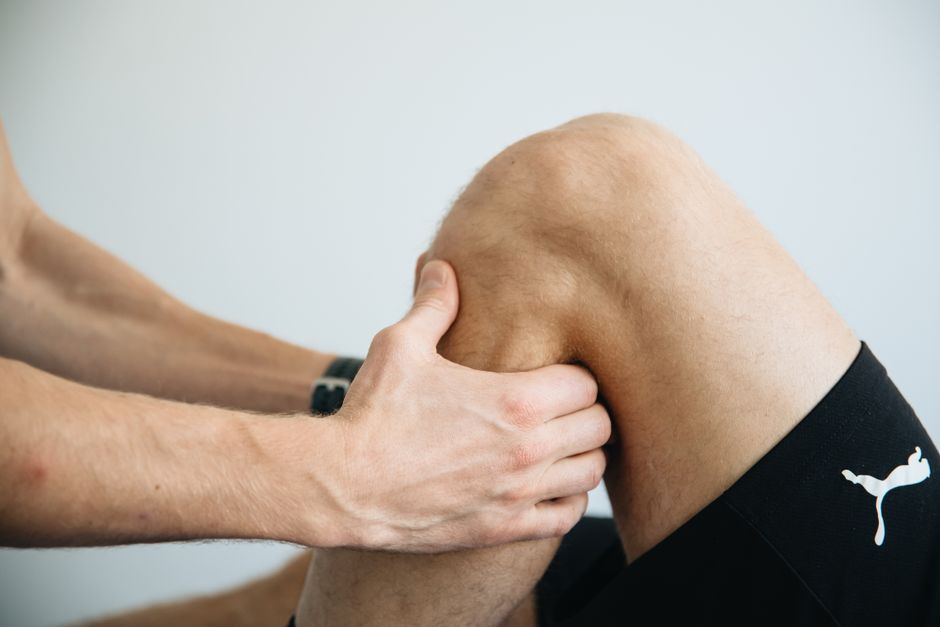
How unequal leg length creates knee stress
🦵 Not sure what's causing your knee pain?
Answer 5 quick questions and get a personalised result.
Find My Pattern → 60 seconds · No sign-upWhen your legs are different lengths, your pelvis naturally tilts to accommodate the difference. The shorter leg side drops slightly, forcing your body to compensate by rotating your spine and shifting how your weight distributes through your hips and knees. Your knee on the longer leg side may experience extra compression as it works harder to stabilize you. The knee on the shorter side, meanwhile, can feel strained because it's working at a slight angle rather than straight up and down. It's worth knowing that knee hurts after leg extension exercises follows a very similar pattern and responds to the same kind of approach.
This isn't always obvious from looking at yourself in the mirror. A difference of even half an inch can start creating problems, particularly if you spend hours standing, walking on uneven surfaces, or doing repetitive activities. The tilt also affects your hip muscles—especially the ones that stabilize your pelvis—which then affects how your knee tracks when you move.
The discrepancy may come from a bone length difference (one femur or tibia is actually shorter), from old injuries that healed unevenly, from hip or spine misalignment that makes one leg functionally shorter, or from muscle tightness on one side that pulls your pelvis out of level. In many cases, the difference developed gradually enough that your body adapted without you noticing—until the adaptation itself started causing pain. There's a close connection between this and knee pain after leg press machine at gym — the same structures are usually involved.
What you can try
Start with a simple check. Stand barefoot in front of a mirror with your feet hip-width apart and your hands at your sides. Look at whether your hips sit level or if one side drops. Have someone take a photo from behind. This gives you a baseline. If you suspect a real bone length difference, a healthcare provider can measure it properly, but this visual check often reveals whether compensation is happening.
Experiment with a temporary lift. Before investing in custom orthotics, try a simple solution: place a thin insert or stack of adhesive shims under the heel of your shorter leg's shoe. Start small—even a quarter-inch can make a difference. Wear it for a few days and notice what changes. Some people find relief within hours; others discover that the lift helps their knee but creates tension elsewhere (often the hip or lower back), which means the height needs adjusting. This trial-and-error phase is frustrating, but it's also valuable information. If a quarter-inch helps your knee but you still have lower back pinching, try an eighth-inch instead. Going too high is a common mistake—it overcorrects and creates new problems.
Address the muscular imbalances. The side with the shorter leg often has tighter hip flexors and hamstrings, while the glute muscles on that side may be underactive. Gentle, consistent stretching of your hip flexors (the muscles across the front of your hip) can reduce the anterior pelvic tilt that's pulling your knee out of alignment. Similarly, strengthening your glutes and core helps stabilize your pelvis so it doesn't tip as much. These changes take weeks to show up as pain relief, but they address the root problem rather than just the symptom.
Pay attention to your shoes and surfaces. The type of shoe you wear matters more than you might expect. Shoes with firm heel cups and good arch support help distribute your weight more evenly. Soft, worn-out shoes let your foot collapse inward, which amplifies the asymmetry. Walking on soft surfaces like grass or sand can temporarily feel better because they allow your foot to sink slightly and self-correct, but they also demand more stabilizer muscle work. Hard, flat surfaces like concrete require your body to maintain the compensation pattern all day.
Notice your pain's timing. Relief often comes about ten minutes into a walk, after your muscles warm up and your gait settles. But by the ninety-minute mark, fatigue sets in and the pain returns—sometimes sharper than before. This pattern tells you that your compensations work short-term but aren't sustainable. It's also worth noting whether your pain is worse on certain days, after standing longer, or when you're wearing particular shoes. These patterns help you understand whether the issue is structural (always present) or activity-dependent (manageable with adjustments).
When to reach out for professional support
If your knee pain is getting worse despite trying these adjustments, if it's spreading to your hip or lower back in ways that limit your daily activities, or if you're noticing that you're limping noticeably and it's affecting your confidence or social life, a physical therapist or sports medicine doctor can assess whether a custom orthotic is necessary. They can also rule out other causes of your pain and create a strengthening plan tailored to your specific imbalance.
Safety note: If you have severe pain, significant swelling, a recent injury, fever, numbness, or difficulty bearing weight, speak with a qualified healthcare professional promptly.
Frequently Asked Questions
Q: Can stretching help with knee pain from unequal leg length?
A: Gentle stretching of the quadriceps, hamstrings, calves, and hip flexors can reduce the muscular tension that contributes to knee discomfort. A sustained, comfortable hold of 20 to 30 seconds is far more effective and safer than aggressive or bouncing stretches.
Q: When should I stop exercising because of knee pain from unequal leg length?
A: Stop if the pain is sharp, climbing steadily during exercise, or causing you to change how you move. Mild, stable discomfort that stays at a 2 to 3 out of 10 is often acceptable to work through gently. Anything above that — or pain that simply feels wrong — is your cue to stop and reassess.
Q: What happens if I ignore knee pain from unequal leg length?
A: In some cases, minor knee discomfort does resolve on its own. But consistently ignoring pain — especially if it's altering how you move — can allow the underlying cause to worsen. Most people find that early, sensible attention leads to faster recovery than waiting it out indefinitely.
Where to Go From Here
Most people who take early, sensible action recover well. Start with what you can manage today and monitor closely. If things are not improving after a few weeks, that is the right time to bring in professional support.
Helpful Next Step
As an Amazon Associate, we may earn from qualifying purchases. This does not affect the price you pay.
Helpful Support Option
If this type of knee discomfort shows up during daily movement, light support may help reduce strain on the joint while you work on the underlying cause.
See knee support options on AmazonHelpful Next Step
If gentle support helps during recovery, you can check a simple support option that many people use in daily life. For useful context, knee pain on stairs after leg day workout tends to have the same mechanical roots and overlapping solutions.
This content is for educational purposes only and does not constitute medical advice. Always consult a qualified healthcare professional for diagnosis and treatment.