🦵 Not sure what's causing it? Take the 5-question knee quiz.
Find My Pattern →Knee Pain Doing Lunges
Lunges feel manageable in isolation—you can do a set of ten with clean form and no discomfort. But somewhere in the middle of a full workout, or sometimes not until hours later, a dull ache settles into your knee. It's not sharp enough to stop you immediately, but it's there, and it changes how you move for the rest of the day. The frustration sits deeper than the pain itself: you know your form is decent, you're not pushing crazy weight, yet your knee still protests.
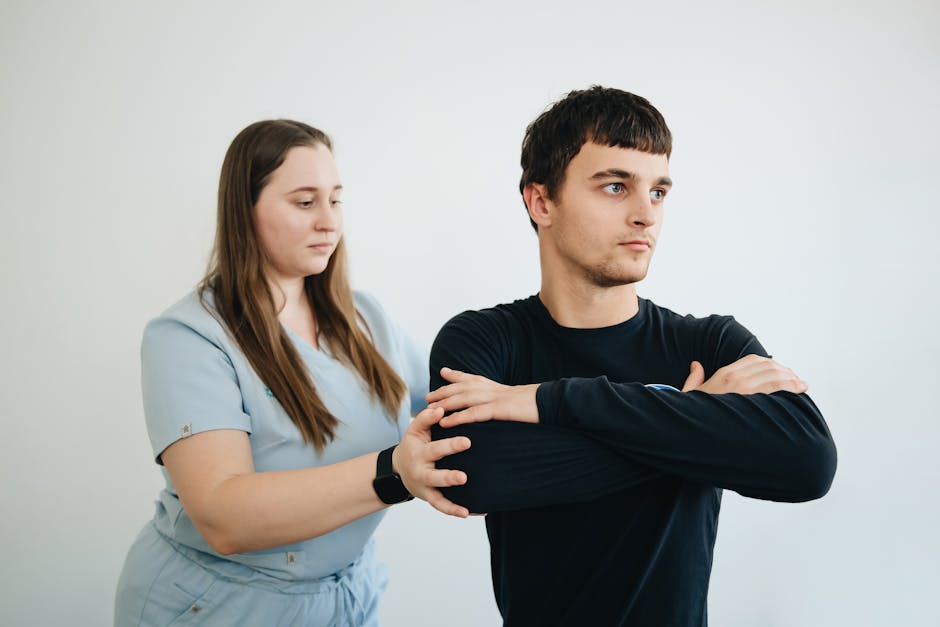
Why lunges trigger knee pain
🦵 Not sure what's causing your knee pain?
Answer 5 quick questions and get a personalised result.
Find My Pattern → 60 seconds · No sign-upLunges demand a lot from your knee in a specific way. When you step forward or backward, your front knee bends while your body weight shifts onto that leg. That combination—flexion plus load—can aggravate your knee if several things aren't aligned.
The most common culprit is cumulative fatigue. Your knee might handle five lunges fine, even ten. But by rep eight or nine, the muscles controlling your knee (especially your glutes and the outer thigh) start to fatigue. When they tire, they stop working as stabilizers. Your knee then bears more of the load directly, and that's when you feel the shift from "working muscle" to "something is off." This can happen during the set itself, or it can be delayed—the pain arriving six to eight hours later or the next morning when you first stand up. It's worth knowing that knee pain when doing squats follows a very similar pattern and responds to the same kind of approach.
Another factor is how your previous day's activity affects today's lunge session. If you did heavy leg work yesterday, your muscles are already in a state of fatigue recovery. Adding lunges on top of that can push your knee past what it can handle that day, even if the lunges alone would be fine.
Different lunge variations also stress different parts of your knee. A walking lunge places continuous forward momentum on your front knee, while a stationary lunge lets you control the depth and pace. A reverse lunge—stepping backward instead of forward—shifts the load differently and can trigger pain in a completely different spot on the same knee. If your inside knee hurts with forward lunges but your outer knee aches with reverse lunges, that's telling you something about how your body is compensating in each variation.
Lastly, the way your hip and ankle move upstream and downstream from your knee matters. If your hip flexors are tight, your pelvis tilts differently during the lunge, changing the angle of force through your knee. Similarly, ankle mobility affects how your foot plants and how forces travel up your leg.
What to try carefully
Start by dropping the volume. If lunges hurt, doing more lunges won't fix it. Instead, try half the reps you normally do, or cut the number of sets. This gives your body a chance to adapt without the cumulative fatigue that triggers pain hours later.
Pay attention to the specific moment pain appears. If it hits around rep six or seven every time, your muscles are fatiguing and losing stability. That's your signal to stop there, rest a day or two, then try again. Pain that arrives the next morning suggests you did more than your knee could recover from that day—scale back further.
Switch lunge variations if one particular type bothers you. If forward lunges pinch the inside of your knee, try reverse lunges instead. The different angle often feels completely different. You're not avoiding the movement pattern; you're finding a variation your knee tolerates better right now.
Reduce your training frequency around lunges. Instead of lunging three times a week, try once or twice. This cuts down the cumulative load and gives your knee more recovery time between sessions. Many people find that spacing lunge work further apart eliminates pain entirely, even if they keep the same intensity when they do lunge.
Be honest about what you did the day before. If yesterday was a heavy leg day, today might not be the day to push lunges. Your knee doesn't care about your training plan—it cares about total fatigue. A lighter session or a different movement pattern on back-to-back days can prevent that "my knee is angry" feeling.
When to see a professional
Stop trying to work through it if the pain is sharp or pinching rather than a dull ache. A sharp sensation, especially one that doesn't fade when you rest, can signal something that needs assessment. Similarly, if your knee swells noticeably, feels unstable (like it might give way), or clicks and catches in a way that's getting worse, that's worth a conversation with a physical therapist or doctor.
Pain that started suddenly after a specific movement—not gradually over weeks—also deserves professional attention sooner rather than later.
Safety note: If you have severe pain, significant swelling, a recent injury, fever, numbness, or difficulty bearing weight, speak with a qualified healthcare professional promptly.
Frequently Asked Questions
Q: Is it safe to exercise with knee pain doing lunges?
A: Gentle, low-impact movement is often beneficial — walking, swimming, and cycling tend to be well-tolerated. Avoid anything that sharply increases the discomfort. A physiotherapist can help identify which exercises are right for your specific situation and severity.
Q: Should I apply heat or ice to a painful knee?
A: Cold — ice wrapped in a cloth — works better for acute flare-ups, particularly in the first 24 to 48 hours when the area feels warm or inflamed. Gentle heat tends to be more helpful for muscle stiffness and chronic, recurring aches. Never apply either directly to bare skin.
Q: When should I stop exercising because of knee pain doing lunges?
A: Stop if the pain is sharp, climbing steadily during exercise, or causing you to change how you move. Mild, stable discomfort that stays at a 2 to 3 out of 10 is often acceptable to work through gently. Anything above that — or pain that simply feels wrong — is your cue to stop and reassess.
A Simple Next Step
Most people who take early, sensible action recover well. Start with what you can manage today and monitor closely. If things are not improving after a few weeks, that is the right time to bring in professional support.
Helpful Next Step
As an Amazon Associate, we may earn from qualifying purchases. This does not affect the price you pay.
Helpful Support Option
Resistance bands are commonly used in knee rehabilitation to build quad and glute strength without placing heavy load on the joint. A useful addition to a home exercise routine.
See resistance band optionsHelpful Next Step
If gentle support helps during recovery, you can check a simple support option that many people use in daily life. People dealing with this frequently also notice knee pain when doing yoga, particularly after extended periods of inactivity.
This content is for educational purposes only and does not constitute medical advice. Always consult a qualified healthcare professional for diagnosis and treatment.