🦵 Not sure what's causing it? Take the 5-question knee quiz.
Find My Pattern →Knee Pain After Cycling
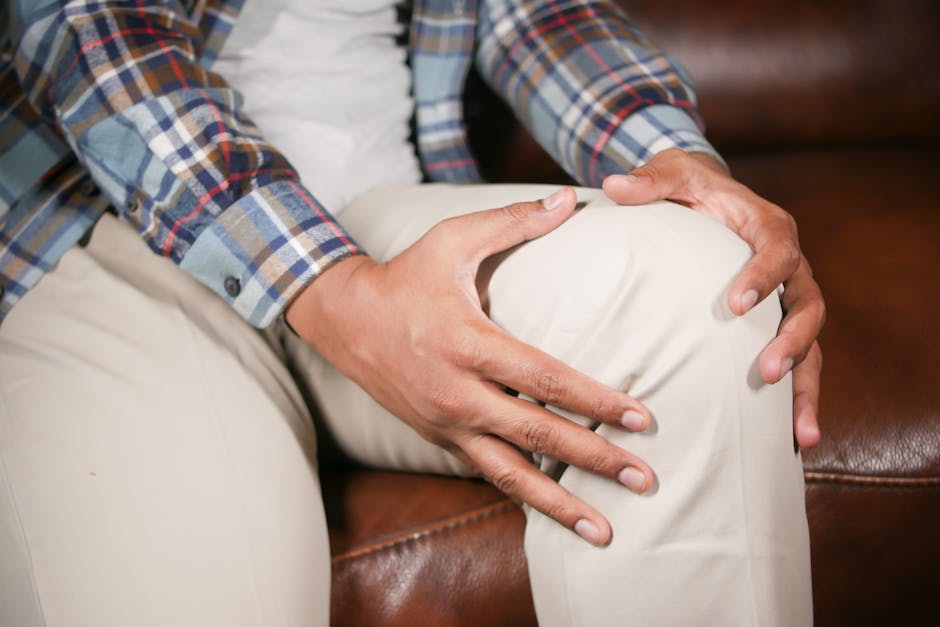
That dull ache that creeps in two or three hours after you finish a ride—the one that's barely noticeable while you're pedaling but settles into a low throb by evening and feels stiff the next morning—that's the pattern most cyclists recognize. Sometimes it's sharper: a twinge only when you clip out of your pedals or push hard from a standstill. Other times it vanishes completely during the ride, returns within thirty minutes of stopping, and leaves you second-guessing whether you should have rested instead. The frustration isn't just physical. It's the mental weight of losing fitness while your knee heals, the decision paralysis of whether to ride through it or stop, and the practical burden of finding time for a bike fitting or physical therapy when you're already sidelined.
Why cycling loads your knee in particular ways
🦵 Not sure what's causing your knee pain?
Answer 5 quick questions and get a personalised result.
Find My Pattern → 60 seconds · No sign-upCycling is repetitive. Your knee bends and straightens thousands of times in a single ride, and unlike running, there's no impact shock to distribute the load. Instead, the force stays concentrated on the same joint angles, the same muscle groups, the same tissues. This repetition can irritate structures around the kneecap or stress the tissues on the inside or outside of the knee.
The position you hold on the bike matters more than you might think. If your saddle is too far forward, your knee tracks differently with each pedal stroke. If it's too high, your leg extends more than it should at the bottom of the pedal stroke. These small position changes compound over dozens of miles. Your quadriceps and glutes may not be strong enough to stabilize your knee through the full pedal stroke, so other muscles compensate, creating imbalance and irritation.
Training volume jumps are another common culprit. Adding ten miles to your weekend ride or suddenly switching from casual commuting to structured training can overwhelm tissues that weren't ready for the increase. The pain may not appear during the ride itself—it often arrives hours later or the next morning, which makes it easy to miss the connection.
Road cycling, mountain biking, and commuting also create different stress patterns. Road cycling's fixed position and consistent cadence can strain the front of the knee over time. Mountain biking's variable terrain and power demands stress the sides of the knee differently. Commuting, often done in street clothes on a less-optimized setup, can create misalignment issues that road or mountain cyclists might not experience.
Practical steps to try while you recover
Start by reducing volume without stopping entirely. Many cyclists find that one or two shorter, easier rides per week feel manageable while a complete break makes stiffness worse. Pay attention to what hurts: if pain appears only on climbs, avoid them for a few weeks. If flat terrain feels fine but descending triggers it, that's useful information about what's irritating your knee.
Ice after riding if you notice swelling or warmth. Fifteen to twenty minutes with a barrier between the ice and your skin can reduce inflammation, especially in the first few days after a painful ride. Some people find compression helpful—a simple elastic knee sleeve worn during and after riding can provide support without being restrictive.
Check your saddle height with fresh eyes. A common mistake is setting it too high, which forces your knee to extend more than necessary at the bottom of each stroke. Your leg should have a slight bend at the bottom of the pedal stroke, not a fully locked knee. If you've recently changed bikes or adjusted your setup, that could be the source.
Examine your cadence. Pushing too hard in a high gear at low cadence can stress your knee more than spinning a lighter gear faster. Aim for eighty to ninety revolutions per minute if you've been grinding away in heavier gears. For useful context, knee pain after cycling accident tends to have the same mechanical roots and overlapping solutions.
Walking and stairs often become the real test of recovery. Pain that disappears on the bike but returns when walking to your car or climbing stairs suggests inflammation that the bike's smooth motion isn't aggravating. This is the moment to be honest about whether rest is actually what you need.
When to reach out for professional help
If pain is sharp, constant, or worsening despite reduced cycling, or if you notice swelling that doesn't go down with ice and elevation, a physical therapist or sports medicine professional can identify what's actually irritated. They can also assess whether your bike fit is contributing—which is worth the investment, since riding on a poorly fitted bike while recovering can extend your timeline significantly.
Pain that changes how you walk or climb stairs weeks after you've stopped cycling suggests something needs attention. Altered gait patterns can create new problems in your hip, ankle, or other knee.
Safety note: If you have severe pain, significant swelling, a recent injury, fever, numbness, or difficulty bearing weight, speak with a qualified healthcare professional promptly.
Frequently Asked Questions
Q: How long does knee pain after cycling usually last?
A: This varies a lot depending on the cause. Minor muscle strain or overuse tends to settle within a few days to two weeks with appropriate rest and gentle movement. If it hasn't improved after three weeks — or symptoms are worsening — that's a clear signal to get a professional opinion.
Q: Should I apply heat or ice to a painful knee?
A: Cold — ice wrapped in a cloth — works better for acute flare-ups, particularly in the first 24 to 48 hours when the area feels warm or inflamed. Gentle heat tends to be more helpful for muscle stiffness and chronic, recurring aches. Never apply either directly to bare skin.
Q: Is it normal to hear clicking sounds alongside knee pain after cycling?
A: Joint sounds are extremely common and usually harmless — they often come from gas bubbles in the joint fluid or tendons flicking over bony prominences. If the clicking is painless and your knee functions normally, it's generally nothing to worry about. If it's accompanied by pain or swelling, mention it to a healthcare professional.
A Simple Next Step
Most people who take early, sensible action recover well. Start with what you can manage today and monitor closely. If things are not improving after a few weeks, that is the right time to bring in professional support.
Helpful Next Step
As an Amazon Associate, we may earn from qualifying purchases. This does not affect the price you pay.
Helpful Support Option
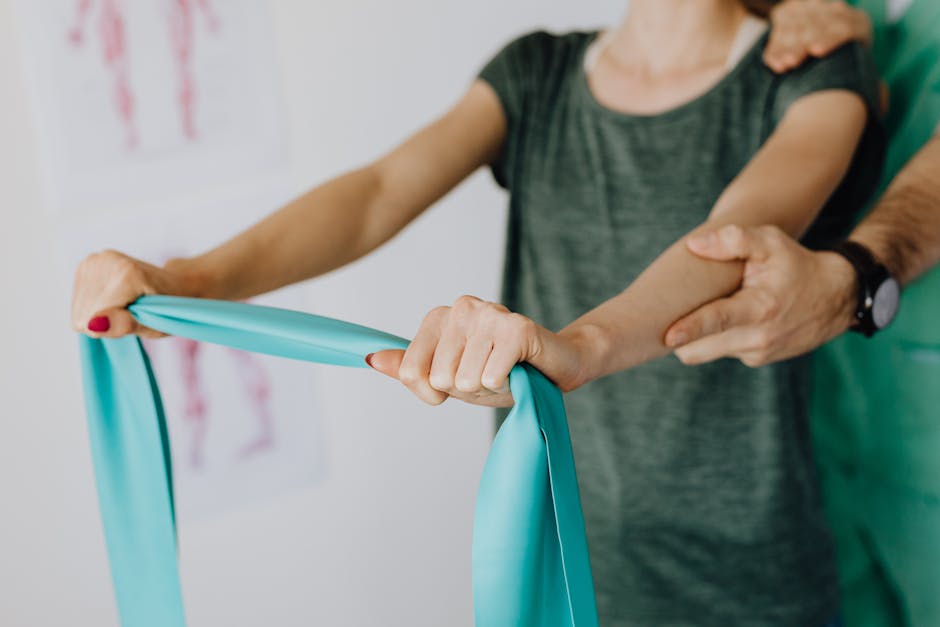
Resistance bands are commonly used in knee rehabilitation to build quad and glute strength without placing heavy load on the joint. A useful addition to a home exercise routine.
See resistance band optionsHelpful Next Step
If gentle support helps during recovery, you can check a simple support option that many people use in daily life.
This content is for educational purposes only and does not constitute medical advice. Always consult a qualified healthcare professional for diagnosis and treatment.