🦵 Not sure what's causing it? Take the 5-question knee quiz.
Find My Pattern →Knee Pain Behind Kneecap When Running
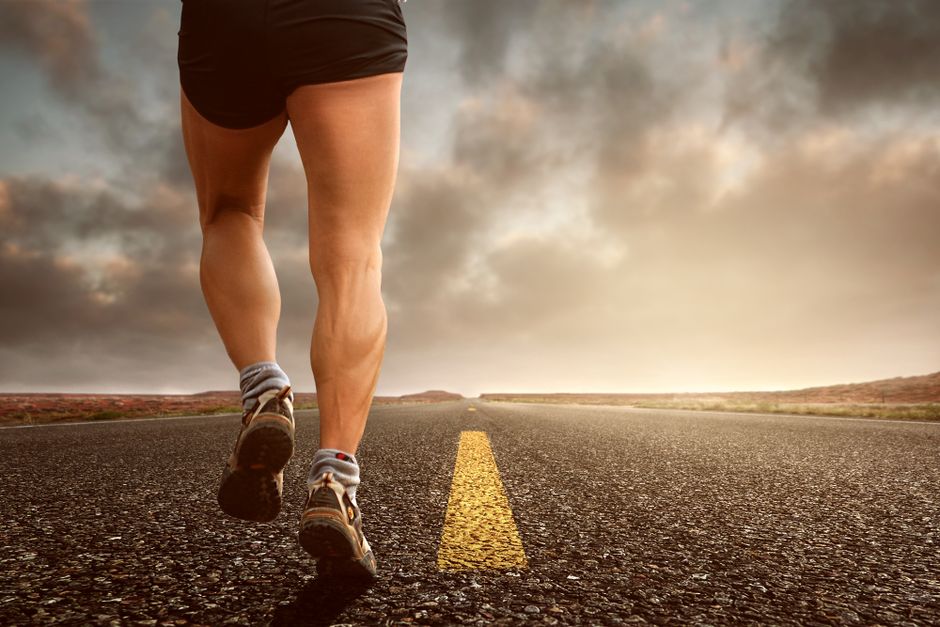
You're two miles into what feels like a good run. Your breathing is steady, your legs feel strong, and then—somewhere between your kneecap and the bone beneath it—a dull ache starts. It's not sharp enough to stop you immediately, but it's there, growing heavier with each stride. By mile three, every landing sends a twinge up through that spot, and you're making a split-second decision: push through or walk it in. That pain behind your kneecap when running is what brings most people to search for answers at night, sitting on the couch, wondering if they'll be able to run tomorrow.
What's Actually Happening Behind the Kneecap
🦵 Not sure what's causing your knee pain?
Answer 5 quick questions and get a personalised result.
Find My Pattern → 60 seconds · No sign-upPain in this specific location often comes from how your kneecap tracks as your leg extends and bends during running. When you run, your kneecap should glide smoothly in its groove. But several things can throw that off balance.
Your quadriceps muscles—particularly the inner quad—may not be firing evenly compared to the outer quad. This imbalance pulls your kneecap slightly out of its ideal path with each stride. The problem isn't always that your quads are weak overall; sometimes one side is simply less active than the other, especially if you've favored one leg after an old injury or if you sit for long periods during the day. There's a close connection between this and knee pain behind kneecap when bending — the same structures are usually involved.
Hip weakness can also be a major player. Your glutes and hip stabilizers help control how your entire leg moves when you land. If these muscles aren't keeping your hip stable, your knee compensates by tracking inward slightly—a pattern that stresses the tissue behind your kneecap over hundreds of repetitive strides.
Running surface and terrain matter more than many runners realize. Concrete and asphalt are unforgiving; your knee absorbs more shock with each landing. Hills—especially downhill running—demand extra work from the muscles controlling your kneecap. If you've recently switched to hillier routes or changed where you run, that can explain why the pain appeared suddenly.
Training load increases are another common culprit. You might have added distance, speed work, or frequency without giving your body time to adapt. The tissue behind your kneecap can handle gradual increases, but a jump from 15 to 25 miles per week in a short timeframe often triggers this exact pain pattern.
Practical Steps to Try
Start by examining your running pattern honestly. Film yourself running, or ask a friend to watch. Look for your knee caving inward as you land—this is often invisible to you but obvious from the side. If you see this happening, focus on landing with your knee stacked over your ankle rather than letting it drift in.
Reduce your mileage or frequency temporarily. This doesn't mean stopping entirely. Many runners find they can run every other day without pain while daily running triggers it. Some can maintain shorter runs (3-4 miles) while longer runs aggravate the knee. The goal is finding the threshold where you can run without making the pain worse the next day or during sitting and stair climbing hours later.
Ice the area after running, not before. A 10-15 minute ice session in the hour after you finish can help manage inflammation, especially if you notice the pain intensifying later that evening or the next morning. Cold doesn't fix the underlying issue, but it can reduce the inflammatory response that compounds the problem. It's worth knowing that knee pain front of kneecap when running follows a very similar pattern and responds to the same kind of approach.
Strengthen your inner quad and glutes with targeted work on non-running days. Straight-leg raises, side-lying leg lifts, and glute bridges are gentler than heavy squats when your knee is already irritated. The key is consistency over intensity—three sets of 12-15 reps, three times per week, often produces better results than occasional heavy sessions.
Pay attention to your shoes. Running shoes lose cushioning and support gradually, often before they look worn out. If your current shoes have 300+ miles on them, worn-down cushioning could be contributing to the problem. You don't necessarily need expensive shoes, but you do need ones that feel stable under your foot during a test run.
When to Reach Out for Help
If pain behind your kneecap worsens despite a week or two of reduced running, or if it starts affecting how you walk on non-running days, that's a signal to get professional input. The same applies if you notice swelling, a catching or locking sensation, or if the pain is severe enough that you're limping.
A physical therapist can assess how your hip, knee, and ankle actually move during running—not how you think they move. They can identify subtle imbalances that self-assessment misses. A doctor can rule out other issues if the pain doesn't fit the typical pattern or if you have other symptoms.
Safety note: If you have severe pain, significant swelling, a recent injury, fever, numbness, or difficulty bearing weight, speak with a qualified healthcare professional promptly.
Frequently Asked Questions
Q: What happens if I ignore knee pain behind kneecap when running?
A: In some cases, minor knee discomfort does resolve on its own. But consistently ignoring pain — especially if it's altering how you move — can allow the underlying cause to worsen. Most people find that early, sensible attention leads to faster recovery than waiting it out indefinitely.
Q: Can I still walk normally when I have knee pain behind kneecap when running?
A: Many people manage normal walking despite this kind of discomfort. If walking causes you to limp or noticeably change your gait, though, that's worth addressing — compensating patterns often create new problems in the hips, lower back, or opposite knee over time.
Q: Should I apply heat or ice to a painful knee?
A: Cold — ice wrapped in a cloth — works better for acute flare-ups, particularly in the first 24 to 48 hours when the area feels warm or inflamed. Gentle heat tends to be more helpful for muscle stiffness and chronic, recurring aches. Never apply either directly to bare skin.
One Thing to Try First
Most people who take early, sensible action recover well. Start with what you can manage today and monitor closely. If things are not improving after a few weeks, that is the right time to bring in professional support.
Helpful Next Step
As an Amazon Associate, we may earn from qualifying purchases. This does not affect the price you pay.
Helpful Support Option
Runners dealing with this kind of knee discomfort often find that a well-fitted compression sleeve helps stabilise the joint and manage irritation during lower-intensity training sessions.
See knee sleeves for runningHelpful Next Step
If gentle support helps during recovery, you can check a simple support option that many people use in daily life. It's worth knowing that knee pain after running follows a very similar pattern and responds to the same kind of approach.
This content is for educational purposes only and does not constitute medical advice. Always consult a qualified healthcare professional for diagnosis and treatment.