🦵 Not sure what's causing it? Take the 5-question knee quiz.
Find My Pattern →Knee Pain From Walking With Feet Turned Out
Most mornings feel fine. The knee doesn't complain during breakfast or the commute to work. But somewhere around mile two of a walk—or sometimes not until evening, when you're sitting down and the day catches up with you—there's a dull, spreading ache on the outer side of the knee. It's not sharp enough to stop you, but it's there, and it changes how you move for the rest of the day. Walking with your feet turned outward (what's sometimes called external rotation or duck-footed gait) can create this exact pattern: pain that's delayed, location-shifting, and deeply frustrating because you can't pinpoint the moment it started.
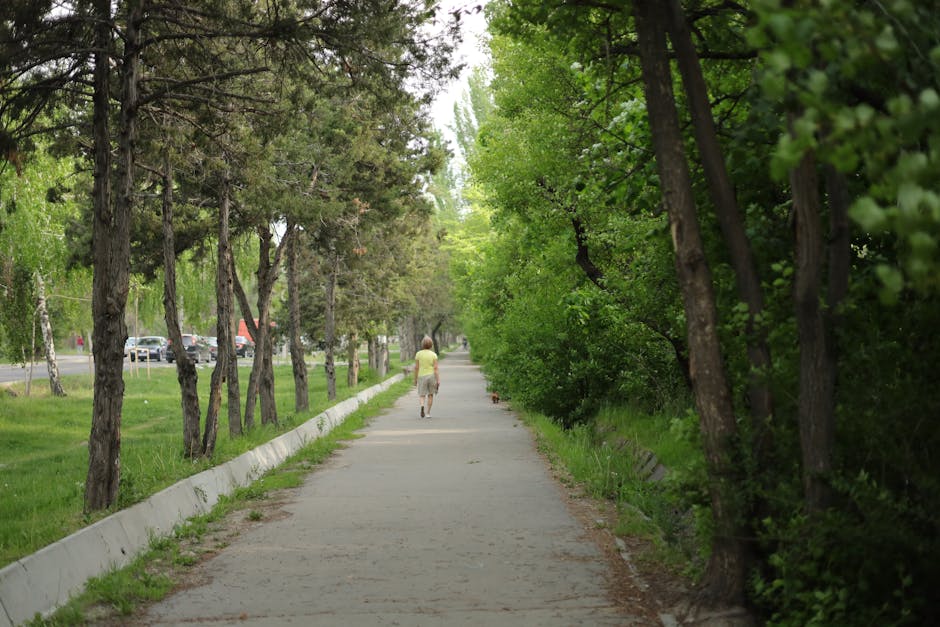
How your foot angle loads the knee differently
🦵 Not sure what's causing your knee pain?
Answer 5 quick questions and get a personalised result.
Find My Pattern → 60 seconds · No sign-upWhen your feet point outward as you walk, your knee doesn't track in a straight line over your ankle and hip the way it's designed to. Instead, the forces that should distribute evenly across the knee joint get concentrated on the outer compartment—the lateral side. This creates a mechanical imbalance that may not hurt immediately, but compounds with each step.
The problem often isn't that your feet are naturally turned out. It's that they've become that way. A childhood habit, an old ankle injury that never fully healed, tight hip muscles that externally rotate your leg, or simply years of standing and walking in a position that felt more comfortable—these can all gradually shift your gait. By the time knee pain appears, the pattern is deeply ingrained, and your body has learned to move this way without you noticing. If you also experience knee gives way when walking, the two issues often share the same underlying cause.
Additionally, walking with externally rotated feet can reduce the engagement of your hip stabilizers (the muscles on the outside of your hip and glute area). When these muscles aren't working efficiently, your knee compensates by twisting slightly with each step. That small twist, repeated hundreds of times over a walk, accumulates into pain that often doesn't show up until hours later—sometimes even the next morning as stiffness.
Weather and fatigue matter more than you'd expect. On a cold, damp day, or when you're already tired, the same walk that felt fine last week can trigger pain because your muscles aren't firing as effectively. Stress and poor sleep have a similar effect: they reduce your body's tolerance for the mechanical stress your gait is placing on the knee.
What you can try without forcing a sudden change
Trying to completely overhaul your gait overnight usually backfires. Walking in a way that feels unnatural creates tension elsewhere—often in the hip or lower back—and the self-consciousness of "correcting" your stride in public can make you tense up even more. Instead, small adjustments tend to work better. If you also experience knee pain after walking down stairs, the two issues often share the same underlying cause.
Pay attention to your walking surface. Treadmill walking is different from outdoor pavement, which is different from a soft track or mall. Treadmills can actually reinforce a turned-out gait because the belt does some of the work for you. If you're a regular treadmill walker, try outdoor walking on flat ground and notice whether the pain pattern changes. Many people find that outdoor walking forces slightly better alignment naturally, without conscious effort.
Wear shoes that feel stable under the outer edge of your foot. This doesn't necessarily mean expensive orthotics or motion-control shoes. It means shoes where the heel and midfoot feel secure, and where you don't feel like you're rolling outward with each step. Worn-down shoes on the outer edge are often a sign that your gait is reinforcing the turned-out pattern. If your current shoes show that wear pattern, they may be actively making the problem worse.
Take walking breaks before pain arrives. If you know pain typically shows up after three miles, plan a 5-10 minute sitting break after two miles. This isn't about resting the knee—it's about breaking the repetitive loading cycle. When you stand up again, your muscles have reset slightly, and the pattern often feels less entrenched.
Notice what small movements feel relieving. Some people find that walking slightly pigeon-toed (turning feet inward a bit) actually reduces their pain, even though they were told this was wrong. Others find relief from walking with a slightly wider stance. These small discoveries matter more than generic advice, because they tell you what your knee actually responds to.
Walk on days when you're rested and calm. This sounds simple, but it's worth tracking. The same 2-mile walk on a day when you've slept well and aren't stressed often causes no pain, while the identical walk on a tired, stressful day triggers significant discomfort. This suggests the problem isn't just mechanical—it's also about how much tolerance your body has for the stress your gait creates.
When to involve a healthcare professional
Pain that worsens despite these adjustments, pain that appears during normal daily activity (not just during walks), or pain accompanied by swelling, instability, or a feeling that your knee might give way—these are signs to get an evaluation. A physical therapist can assess your actual gait pattern and identify whether tight hip muscles, weak glute muscles, or a previous injury is driving the turned-out position. They can also rule out other causes of lateral knee pain that aren't related to gait at all.
Safety note: If you have severe pain, significant swelling, a recent injury, fever, numbness, or difficulty bearing weight, speak with a qualified healthcare professional promptly.
Frequently Asked Questions
Q: How long does knee pain from walking with feet turned out usually last?
A: This varies a lot depending on the cause. Minor muscle strain or overuse tends to settle within a few days to two weeks with appropriate rest and gentle movement. If it hasn't improved after three weeks — or symptoms are worsening — that's a clear signal to get a professional opinion.
Q: Can stretching help with knee pain from walking with feet turned out?
A: Gentle stretching of the quadriceps, hamstrings, calves, and hip flexors can reduce the muscular tension that contributes to knee discomfort. A sustained, comfortable hold of 20 to 30 seconds is far more effective and safer than aggressive or bouncing stretches.
Q: When should I stop exercising because of knee pain from walking with feet turned out?
A: Stop if the pain is sharp, climbing steadily during exercise, or causing you to change how you move. Mild, stable discomfort that stays at a 2 to 3 out of 10 is often acceptable to work through gently. Anything above that — or pain that simply feels wrong — is your cue to stop and reassess.
What To Do Tomorrow Morning
Most people who take early, sensible action recover well. Start with what you can manage today and monitor closely. If things are not improving after a few weeks, that is the right time to bring in professional support.
Helpful Next Step
As an Amazon Associate, we may earn from qualifying purchases. This does not affect the price you pay.
Helpful Support Option
If this discomfort shows up during daily walking or standing, a compression sleeve may help reduce load on the joint during movement while the underlying cause is addressed.
See walking knee support optionsHelpful Next Step
If gentle support helps during recovery, you can check a simple support option that many people use in daily life. This pattern is related to knee pain after walking on hard floors, and the same management principles often apply.
This content is for educational purposes only and does not constitute medical advice. Always consult a qualified healthcare professional for diagnosis and treatment.