🦵 Not sure what's causing it? Take the 5-question knee quiz.
Find My Pattern →Knee Pain From Sitting With Legs Crossed
Crossing one leg over the other feels natural—almost automatic—especially in meetings, while driving, or when sitting at a desk. But then something shifts. Maybe it's a creeping numbness that starts around the outer edge of your knee after 15 or 20 minutes, or a dull ache that builds so gradually you don't notice it until you stand up and feel a sharp pinch the moment you uncross. The pain might linger for hours afterward, or it might fade quickly once you move. Either way, the habit keeps pulling you back to that crossed position, even though you know it's causing the problem.
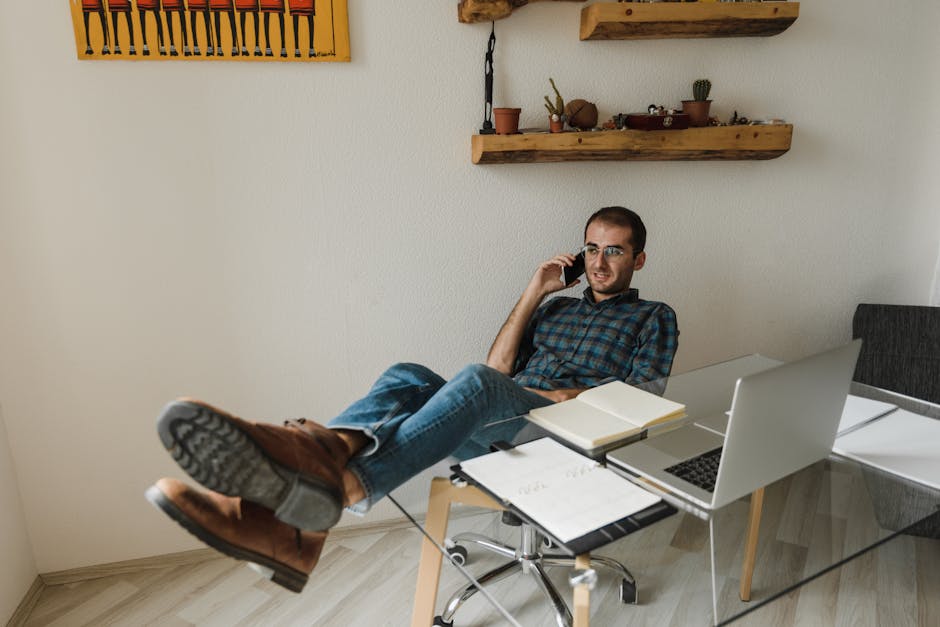
Why crossing your legs creates knee stress
🦵 Not sure what's causing your knee pain?
Answer 5 quick questions and get a personalised result.
Find My Pattern → 60 seconds · No sign-upWhen one leg crosses over the other, the top knee bends and rotates inward while bearing some of your body weight. This position twists the joint in a way it wasn't designed to hold for long periods. The rotation can create uneven pressure on the cartilage and ligaments around your kneecap, especially if you're already prone to knee sensitivity.
The twist also affects what's happening deeper in your hip and thigh. The muscle running along the outside of your hip (the tensor fasciae latae) and the band of tissue connected to it tighten under sustained pressure. This tightness can pull on structures around your knee, creating that sensation of tension or mild pain. Some people feel this as a sharp pinch; others describe it as a heavy, tired feeling in the joint. People dealing with this frequently also notice knee pain sitting with legs crossed, particularly after extended periods of inactivity.
Circulation can also play a role. Crossing your legs compresses blood vessels and nerves, particularly on the side of your knee. That creeping numbness or tingling you might feel isn't usually dangerous, but it's your body's signal that the position is restricting flow. Once you uncross, sensation returns—sometimes with a brief, uncomfortable prickling.
The real puzzle is why this happens to some people and not others. Hip anatomy varies. If your hips are naturally tighter, or if you have a previous knee injury or slight misalignment, crossing your legs amplifies the stress on your knee. The position demands more rotation from a joint that may already have limits. Over time, repeated crossing can create inflammation or aggravate existing sensitivity.
Practical ways to break the habit
The first step is recognizing when you cross your legs without thinking. Anxiety, concentration, or habit often trigger it unconsciously—especially in stressful meetings or while driving. Once you notice the pattern, you can catch yourself before the pain builds.
Try sitting with both feet flat on the floor, hip-width apart. This feels unstable at first because crossing your legs creates a false sense of security and control. Your body has learned that the crossed position feels "locked in." Sitting normally requires more active engagement from your core and hip muscles. Start with 10 or 15 minutes at a time and gradually extend it. You might place a small cushion under your knees or between your thighs to give yourself something to hold onto, which can satisfy the comfort-seeking part of the habit.
If you absolutely need to cross your legs, try crossing at the ankle instead of the knee. This gives you the psychological comfort of a crossed position without rotating your knee joint. It's not perfect, but it's a significant reduction in stress.
Change positions every 20 to 30 minutes, whether you're at a desk or in a car. Stand, walk a few steps, or shift to a different sitting position. This prevents the pressure from building and gives your knee a chance to reset. The pain often doesn't hit while you're sitting—it arrives later, as inflammation builds. Frequent position changes can prevent that delayed ache from developing. This pattern is related to inner knee pain when crossing legs, and the same management principles often apply.
Gentle stretching of your hip and outer thigh, done daily, can reduce the underlying tightness that makes crossing feel necessary. A simple figure-four stretch (lying on your back, one ankle crossed over the opposite knee, pulling the bottom leg toward your chest) can ease tension without being strenuous.
When to seek professional guidance
If your knee pain is sharp, persistent, or accompanied by swelling that doesn't improve within a few days of avoiding the crossed position, a healthcare professional can assess whether there's underlying damage or a structural issue that needs attention.
Pain that radiates down your leg, causes significant numbness, or makes it difficult to walk or bear weight also warrants professional evaluation. The same applies if the pain is recent and followed an injury, or if you notice your knee feels unstable or gives way.
Safety note: If you have severe pain, significant swelling, a recent injury, fever, numbness, or difficulty bearing weight, speak with a qualified healthcare professional promptly.
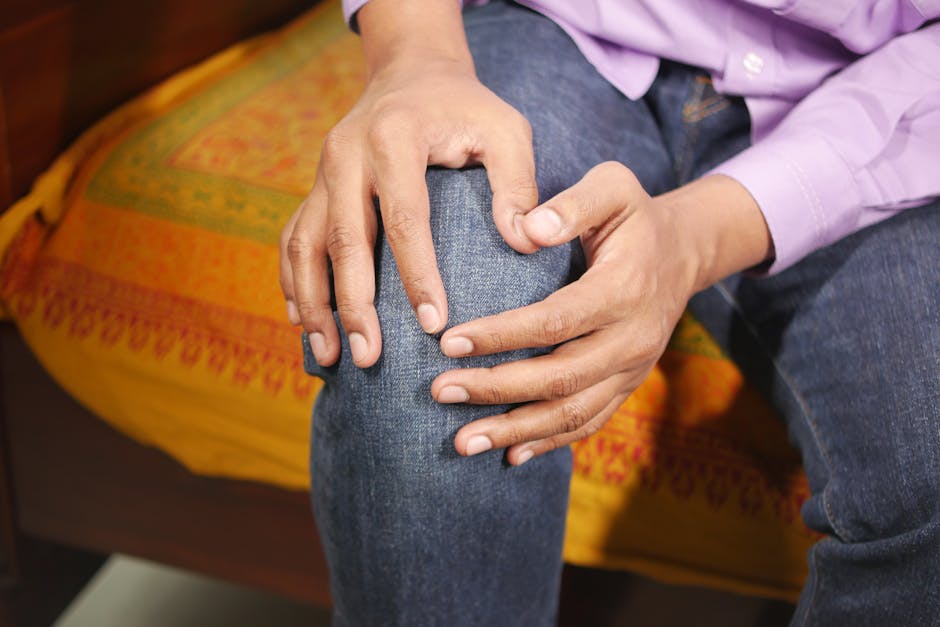
Frequently Asked Questions
Q: Is it safe to exercise with knee pain from sitting with legs crossed?
A: Gentle, low-impact movement is often beneficial — walking, swimming, and cycling tend to be well-tolerated. Avoid anything that sharply increases the discomfort. A physiotherapist can help identify which exercises are right for your specific situation and severity.
Q: Should I use a knee brace or compression sleeve for knee pain from sitting with legs crossed?
A: A basic compression sleeve can offer comfort and mild support during activity, and many people find it helpful in the short term. Don't rely on it long-term without also addressing the root cause — whether that's strength, flexibility, or movement patterns.
Q: What happens if I ignore knee pain from sitting with legs crossed?
A: In some cases, minor knee discomfort does resolve on its own. But consistently ignoring pain — especially if it's altering how you move — can allow the underlying cause to worsen. Most people find that early, sensible attention leads to faster recovery than waiting it out indefinitely.
One Thing to Try First
Most people who take early, sensible action recover well. Start with what you can manage today and monitor closely. If things are not improving after a few weeks, that is the right time to bring in professional support.
Helpful Next Step
As an Amazon Associate, we may earn from qualifying purchases. This does not affect the price you pay.
Helpful Support Option
If this type of knee discomfort shows up during or after prolonged sitting, light compression may help reduce stiffness and support the joint during movement.
See knee compression optionsHelpful Next Step
If gentle support helps during recovery, you can check a simple support option that many people use in daily life. There's a close connection between this and knee after sitting for a long time — the same structures are usually involved.
This content is for educational purposes only and does not constitute medical advice. Always consult a qualified healthcare professional for diagnosis and treatment.