🦵 Not sure what's causing it? Take the 5-question knee quiz.
Find My Pattern →Knee Feels Swollen After Climbing Stairs
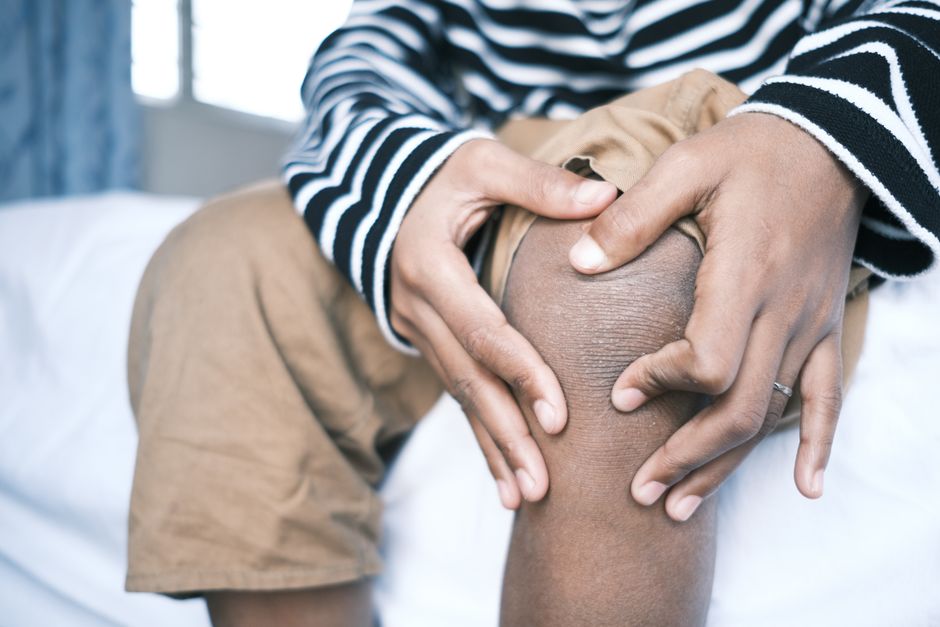
That moment when you reach the top of a flight and your knee suddenly feels thick and tight—like something inside it has expanded. You might not see much swelling at first, but you feel it. The kneecap area becomes puffy, the skin feels warm, and bending feels restricted. Hours later, sitting at your desk or relaxing on the couch, the swelling peaks. Then by morning, it's almost gone, which makes you question whether it was real at all.
This pattern—swelling that arrives after stairs rather than during them—is common, and the delay itself tells you something important about what's happening inside your knee. For useful context, knee aches after climbing several flights of stairs tends to have the same mechanical roots and overlapping solutions.
Why your knee swells after climbing stairs
🦵 Not sure what's causing your knee pain?
Answer 5 quick questions and get a personalised result.
Find My Pattern → 60 seconds · No sign-upSwelling after stairs typically develops because the activity irritates structures inside or around your knee, but the inflammatory response takes time to fully build. Here are the most likely causes:
Pressure on the cartilage under your kneecap. When you climb stairs, your quadriceps (the muscle on the front of your thigh) works hard to lift your body weight. This pulls your kneecap against the groove it sits in, and if the muscle isn't balanced or strong enough, the kneecap can track slightly off-center. The cartilage underneath gets compressed unevenly. You feel fine during the climb because movement keeps fluid moving, but once you sit down, fluid pools in the joint space and swelling becomes noticeable.
Irritation of the tissues around the joint. The tendons, ligaments, and small fluid-filled sacs (bursae) around your knee can become inflamed from repetitive stress. Climbing down stairs is often worse than climbing up because your muscles have to work as brakes, creating a longer, more intense contraction. This delayed irritation can trigger swelling that peaks several hours later.
Overload without adequate recovery. If you've climbed more stairs than usual—multiple flights in one day, or stairs you don't normally do—your knee structures may simply be reacting to the workload. The swelling is your body's way of protecting the area, but it also restricts movement and makes everything feel stiff.
Muscle imbalance or weakness. If your quadriceps or hip muscles aren't strong enough to stabilize your knee properly, your joint has to work harder to stay aligned during stairs. This extra effort creates micro-trauma to soft tissues, and swelling follows hours later as inflammation sets in.
What you can try at home
Ice strategically, but not immediately. The common advice to ice right away assumes you want to reduce inflammation immediately. But if your swelling peaks 2-3 hours after activity, applying ice then is more effective than icing right when you finish stairs. A 15-20 minute ice session when you first notice the swelling can help. Cold reduces blood flow to the area and slows the inflammatory response.
Elevate your knee above hip level when sitting. This isn't just about comfort—gravity helps fluid drain away from your knee. When you sit at a desk or on the couch, prop your leg on a pillow or ottoman so your knee is higher than your hip. Even small elevation makes a difference over hours.
Move gently, don't lock yourself still. The instinct is to rest completely, but complete stillness can make stiffness worse. Gentle movement—slow walking on flat ground, easy knee bends while sitting, or slow circles of your ankle—keeps fluid moving and prevents your knee from feeling even more restricted. Think of it as active rest rather than no rest.
Notice which stair direction bothers you more. Going up or going down? If downstairs is worse, your muscles are working as brakes and taking more load. If upstairs is worse, the lifting phase is the problem. This tells you what movement to avoid temporarily. If downstairs is the culprit, take stairs slowly or use a railing to reduce the braking load. If upstairs is worse, avoid steep inclines for a few days.
Wear supportive shoes on stairs. Shoes that are worn out or too flexible force your foot and ankle to work harder to stay stable, which sends extra stress up to your knee. A shoe with decent arch support and cushioning reduces the jarring that travels through your leg.
When to see a professional
You don't need to wait for swelling to disappear on its own if it's affecting your daily life or getting worse. A healthcare professional can examine your knee, watch how you move, and determine whether the swelling is coming from the kneecap tracking issue, a ligament strain, or something else. They can also assess whether you need imaging or if physical therapy would help you rebuild strength and stability. This pattern is related to knee buckles when climbing stairs, and the same management principles often apply.
Some people find that swelling comes and goes for weeks without intervention, while others see improvement within days once they adjust their stair use and add targeted strengthening. A professional can speed that timeline and make sure you're not developing a pattern that leads to more serious problems.
Safety note: If you have severe pain, significant swelling, a recent injury, fever, numbness, or difficulty bearing weight, speak with a qualified healthcare professional promptly.
Frequently Asked Questions
Q: Can stretching help with knee feels swollen after climbing stairs?
A: Gentle stretching of the quadriceps, hamstrings, calves, and hip flexors can reduce the muscular tension that contributes to knee discomfort. A sustained, comfortable hold of 20 to 30 seconds is far more effective and safer than aggressive or bouncing stretches.
Q: Is it normal to hear clicking sounds alongside knee feels swollen after climbing stairs?
A: Joint sounds are extremely common and usually harmless — they often come from gas bubbles in the joint fluid or tendons flicking over bony prominences. If the clicking is painless and your knee functions normally, it's generally nothing to worry about. If it's accompanied by pain or swelling, mention it to a healthcare professional.
Q: Should I apply heat or ice to a painful knee?
A: Cold — ice wrapped in a cloth — works better for acute flare-ups, particularly in the first 24 to 48 hours when the area feels warm or inflamed. Gentle heat tends to be more helpful for muscle stiffness and chronic, recurring aches. Never apply either directly to bare skin.
Where to Go From Here
Most people who take early, sensible action recover well. Start with what you can manage today and monitor closely. If things are not improving after a few weeks, that is the right time to bring in professional support.
Helpful Next Step
As an Amazon Associate, we may earn from qualifying purchases. This does not affect the price you pay.
Helpful Support Option
If this type of knee discomfort flares up on stairs, light compression or a supportive brace can help reduce strain on the joint while you work on strengthening the surrounding muscles.
See knee support options on AmazonHelpful Next Step
If gentle support helps during recovery, you can check a simple support option that many people use in daily life. For useful context, knee feels swollen after walking downhill tends to have the same mechanical roots and overlapping solutions.
This content is for educational purposes only and does not constitute medical advice. Always consult a qualified healthcare professional for diagnosis and treatment.