🦵 Not sure what's causing it? Take the 5-question knee quiz.
Find My Pattern →Knee Feels Like it Needs to Crack but Will Not Pop
The sensation that won't resolve
🦵 Not sure what's causing your knee pain?
Answer 5 quick questions and get a personalised result.
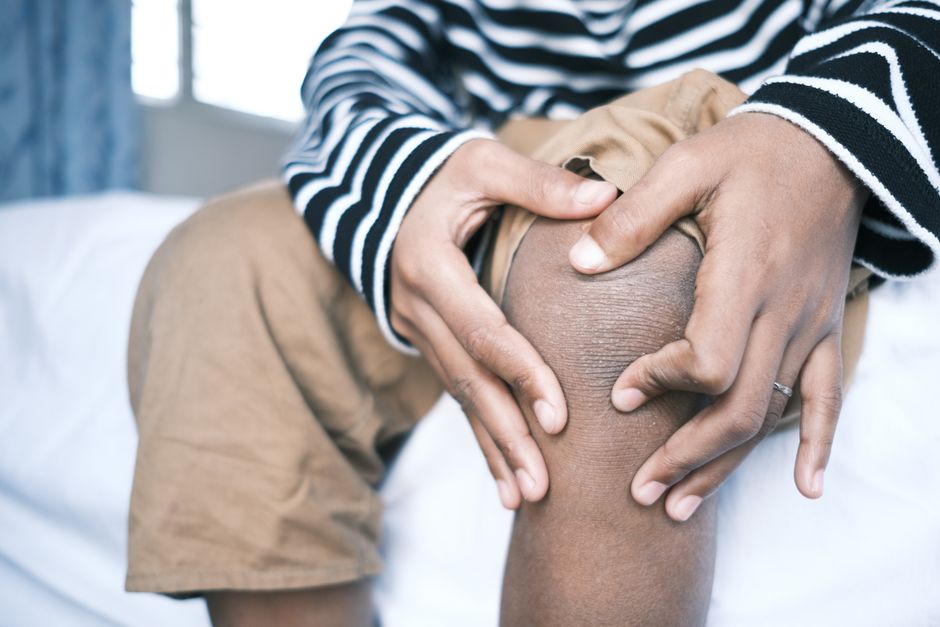
Find My Pattern → 60 seconds · No sign-upYour knee has that tight, pressurized feeling—like something inside needs to shift or release but simply won't. Maybe it happens when you stand up after sitting for an hour, or the moment you try to relax on the couch after a long day. The tension sits there, maddening and specific, and you find yourself adjusting your leg position over and over, searching for the angle that will finally let something pop. But it never comes. Instead, you're left with a dull ache and the frustrating awareness that your knee feels wrong in a way that doesn't quite hurt enough to alarm you, yet won't go away.
This sensation—the pressure without the release—creates its own kind of anxiety. You rub the knee, massage around the kneecap, bend and straighten it repeatedly. Sometimes a small amount of temporary relief comes from pressing on a specific spot or shifting your weight. But within minutes, the tight, unfulfilled feeling returns. It's not sharp pain. It's not swelling you can see. It's the sensation of something stuck, and that can feel more unsettling than straightforward pain. There's a close connection between this and knee feels puffy and stiff — the same structures are usually involved.
Why your knee feels this way
Several things can create this pressurized, need-to-crack sensation without actually producing the pop you're searching for.
Fluid buildup and synovial pressure. Your knee joint contains synovial fluid that lubricates movement. When you've been still for a while—especially after activity—this fluid can redistribute unevenly, creating a feeling of pressure or tightness. The joint feels like it needs to "settle" or release, but the fluid hasn't shifted enough to create an audible crack. This is particularly common in the hours after you've been active or when you first try to move after resting.
Muscle tension around the joint. The muscles surrounding your knee—the quadriceps, hamstrings, and calf—can tighten in response to overuse, prolonged sitting, or even stress. When these muscles are tight, they change how your kneecap tracks and how the joint surfaces align. This altered alignment creates a sensation of pressure or restriction without necessarily causing pain. The tightness itself becomes the problem, and your brain registers it as "something needs to move" even though the issue is muscular, not structural.
Cartilage surface irregularities. Small areas of cartilage wear or uneven surfaces can create a sensation of catching or restriction without producing the satisfying pop of a true crack. Your knee might feel like it's on the verge of something releasing, but the joint surfaces aren't positioned in a way that allows that release. This is especially common if you've had previous knee injuries or if you're experiencing early-stage wear.
Compensatory tension from other areas. Sometimes the problem isn't the knee itself but how your hip, ankle, or lower back is functioning. When these joints aren't moving freely, your knee compensates by tensing up. That compensatory tension creates the stuck, pressurized feeling—your knee is working overtime to stabilize, and it never truly relaxes.
What you can try
Move differently before you try to stretch. The moment you feel that tight, need-to-crack sensation, your instinct is often to stretch or force movement. Instead, try gentle, small movements first. Walk slowly around your home, do small knee bends without going deep, or gently rock your weight side to side while standing. This can help redistribute synovial fluid and ease muscle tension without the aggressive stretch that sometimes makes the sensation worse.
Apply heat before activity, cold after. If the sensation appears after you've been still, warmth can help muscles relax and fluid move more freely. A warm shower, heating pad, or even a warm blanket for 10–15 minutes can reduce that stuck feeling. If the sensation appears after activity, cold can help reduce any inflammation contributing to the pressure. Pay attention to which timing works better for your knee—this varies significantly between people.
Use deliberate pressure on tight spots. Rather than hoping for a crack, try applying sustained pressure to the areas around your knee that feel most tense. This might be the inside of your thigh, just above the kneecap, or along the outer knee. Use your thumb or a massage ball and hold pressure for 30–60 seconds on each tight spot. The relief is usually temporary, but it can interrupt the cycle of tension and give you a few minutes of ease. The fact that relief returns quickly tells you this is muscular tension, not a structural problem.
Check your sitting and standing positions. How you position your knee throughout the day matters more than you might think. If you sit with your knee bent at the same angle for hours, fluid pools and muscles stay shortened. Vary your position frequently—sometimes cross your legs, sometimes extend them, sometimes bend them differently. When standing, notice if you're locking your knee or shifting weight unevenly. Small position changes throughout the day can prevent that pressurized feeling from building up in the first place.
Move your hips and ankles deliberately. Since compensatory tension from nearby joints often creates that stuck knee feeling, spend time mobilizing your hips and ankles. Hip circles, ankle circles, and gentle lunges can improve how freely the entire leg moves. When your hip and ankle move better, your knee often feels less restricted almost immediately.
When to see a professional
If this sensation has persisted for more than two weeks despite trying movement and position changes, it's worth having a professional evaluate your knee. A physical therapist or doctor can assess whether the issue is muscular tightness, fluid buildup, cartilage wear, or compensation from other joints. They can also rule out anything that imaging might reveal.
Also seek professional input if the sensation is accompanied by actual swelling, if your knee feels unstable or gives way, or if you're developing pain in your hip or ankle as a result of how you're compensating.
Safety note: If you have severe pain, significant swelling, a recent injury, fever, numbness, or difficulty bearing weight, speak with a qualified healthcare professional promptly.
Frequently Asked Questions
Q: Is it safe to exercise with knee feels like it needs to crack but will not pop?
A: Gentle, low-impact movement is often beneficial — walking, swimming, and cycling tend to be well-tolerated. Avoid anything that sharply increases the discomfort. A physiotherapist can help identify which exercises are right for your specific situation and severity.
Q: Can stretching help with knee feels like it needs to crack but will not pop?
A: Gentle stretching of the quadriceps, hamstrings, calves, and hip flexors can reduce the muscular tension that contributes to knee discomfort. A sustained, comfortable hold of 20 to 30 seconds is far more effective and safer than aggressive or bouncing stretches.
Q: What happens if I ignore knee feels like it needs to crack but will not pop?
A: In some cases, minor knee discomfort does resolve on its own. But consistently ignoring pain — especially if it's altering how you move — can allow the underlying cause to worsen. Most people find that early, sensible attention leads to faster recovery than waiting it out indefinitely.
Where to Go From Here
Most people who take early, sensible action recover well. Start with what you can manage today and monitor closely. If things are not improving after a few weeks, that is the right time to bring in professional support.
Helpful Next Step
As an Amazon Associate, we may earn from qualifying purchases. This does not affect the price you pay.
Helpful Support Option
If this type of knee discomfort shows up during daily movement, light support may help reduce strain on the joint while you work on the underlying cause.
See knee support options on AmazonHelpful Next Step
If gentle support helps during recovery, you can check a simple support option that many people use in daily life. This pattern is related to knee feels tight and uncomfortable at night, and the same management principles often apply.
This content is for educational purposes only and does not constitute medical advice. Always consult a qualified healthcare professional for diagnosis and treatment.