🦵 Not sure what's causing it? Take the 5-question knee quiz.
Find My Pattern →How to Test Footwear Comfort Without a Long Painful Walk
New shoes sit in your closet, and you want to know if they'll work for your knees before you commit to wearing them for a full day or a walk around the neighborhood. The problem: testing them properly usually means wearing them long enough to feel real discomfort—and if your knees are already sensitive, that's a catch-22. You need to know if the shoes will help or hurt, but the only way to find out seems to be the very thing that causes pain. There's a better approach. You can test footwear comfort in short, controlled bursts that give you real information without triggering the delayed ache that often appears hours after you've taken the shoes off.

Why shoe fit matters more when your knees are already tender
🦵 Not sure what's causing your knee pain?
Answer 5 quick questions and get a personalised result.
Find My Pattern → 60 seconds · No sign-upShoes affect your knees in ways that aren't always obvious while you're wearing them. The arch support, heel height, cushioning, and how the shoe holds your foot can change the angle of your leg and the forces running through your knee joint. When your knees are already irritated or weak, poor shoe support can amplify small problems into noticeable pain.
The timing is important here. You might feel fine while wearing new shoes for 20 minutes, then feel a dull ache or tightness in your knee several hours later—even after you've taken the shoes off. This delayed response can make it hard to know which shoe caused the problem. Some people experience sharp pain right away; others notice a heavy, tired feeling in the knee by evening. The shoe itself might not be the sole cause of your knee pain, but it can be the factor that tips things from manageable to uncomfortable. This pattern is related to how to compare chairs when knee comfort matters, and the same management principles often apply.
Shoes with inadequate arch support can allow your foot to roll inward or outward more than it should, which changes how your leg aligns when you walk or stand. Heels that are too high or too low can shift your weight forward or backward, putting different stress on your knee. Even the stiffness of the shoe matters—a shoe that's too rigid can prevent your foot from moving naturally, while one that's too flexible offers no stability.
How to test shoes in short, safe intervals
Start with 10-minute indoor tests on familiar ground. Put on the new shoes and walk slowly around your home for about 10 minutes. Don't rush or try to cover distance. Notice how the shoe feels at your arch, heel, and across the top of your foot. Pay attention to whether your foot feels stable or if it's rolling side to side. Walk on a flat surface—your kitchen, hallway, or living room. This gives you initial information about basic fit without the variables of outdoor terrain or distance.
Sit down immediately after and observe the delayed response. This is the key step most people skip. Take the shoes off, sit down, and notice how your knee feels over the next 30 minutes. Does it feel the same as before? Does a dull ache develop? Is there tightness? Does the pain feel sharp or more like fatigue? Write down what you notice. The shoe's real effect often shows up in this quiet period, not while you're actively wearing it.
Try them during a low-demand activity you do regularly. If you normally spend time cooking, sitting at a desk, or doing light household tasks, wear the new shoes during that activity for 20-30 minutes. This tests the shoe in a real-world context without the added stress of walking or standing for long periods. You'll see how the shoe performs when you're not focused on the shoe itself—which is closer to how you'd actually wear it.
Test on different surfaces separately. Don't combine variables. Wear the shoes on a flat indoor floor one day, then on carpet another day, then on a slight incline if you have stairs. Each surface tells you something different about how the shoe supports your foot and knee. Carpet is softer and more forgiving; hard floors show you exactly how much cushioning the shoe provides.
Assess your foot position in the shoe, not just comfort. Look at your foot while wearing the shoe. Does your heel slip up and down, or does it stay in place? Can you feel your arch, or does the shoe feel like it's not supporting that area? Watch yourself in a mirror while standing—does your knee angle look the same as it does in your regular shoes, or does it look different? These observations matter more than whether the shoe feels "nice" right away.
What to avoid while testing
Don't test new shoes on a day when your knees already feel irritated or painful. You won't get clean information about whether the shoe is the problem or your knees already are. Wait for a day when your baseline is stable.
Avoid testing multiple pairs on the same day. Your knees need time to settle between tests, and wearing different shoes in sequence can confuse your sense of which shoe caused which feeling.
Don't assume that pain-free wearing means the shoe is working well for your knees. Some shoes feel fine for the first hour and then cause problems. You need the 2-3 hour window after wearing them to see the full picture.
Skip outdoor testing until you've confirmed the shoe feels stable indoors. Uneven ground, curbs, and variable surfaces add complexity that can mask whether the shoe itself is the issue. For useful context, how to squat without knee pain tends to have the same mechanical roots and overlapping solutions.
When to stop testing and talk to someone
If a shoe causes sharp pain during or immediately after the 10-minute test, stop wearing it. That's clear feedback. You don't need to keep testing to know it's not right for you.
If you notice swelling in your knee, increased warmth, or pain that lasts more than a few hours after removing the shoe, that's a sign to pause and reassess. The shoe may be putting stress on your knee in a way that's not sustainable.
If you're unsure whether the shoe is helping or making things worse after several days of short tests, it's worth talking to a physical therapist or your doctor. They can watch you walk in the shoe and give you feedback on whether the fit is supporting your knee alignment.
Safety note: If you have severe pain, significant swelling, a recent injury, fever, numbness, or difficulty bearing weight, speak with a qualified healthcare professional promptly.
Moving forward with shoe testing
The goal of short, controlled testing is to gather real information without triggering pain that makes the answer unclear. Once you've tested a
Helpful Next Step
As an Amazon Associate, we may earn from qualifying purchases. This does not affect the price you pay.
Helpful Support Option
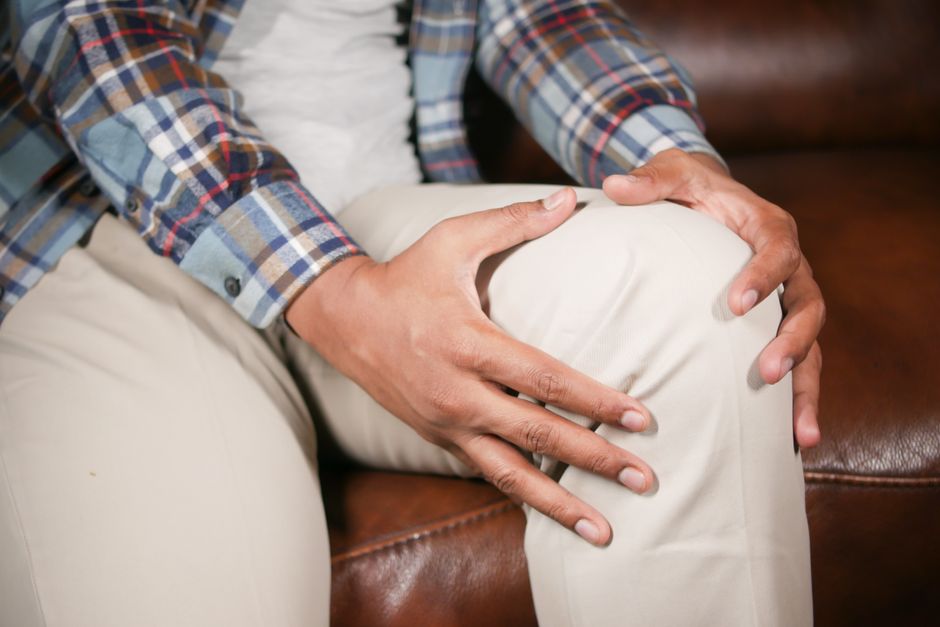
If this type of knee discomfort shows up during daily movement, light support may help reduce strain on the joint while you work on the underlying cause.
See knee support options on AmazonHelpful Next Step
If gentle support helps during recovery, you can check a simple support option that many people use in daily life. This pattern is related to knee pain after long walk, and the same management principles often apply.
This content is for educational purposes only and does not constitute medical advice. Always consult a qualified healthcare professional for diagnosis and treatment.