🦵 Not sure what's causing it? Take the 5-question knee quiz.
Find My Pattern →How to Plan a Wedding Day as a Guest With Knee Pain
Invitations arrive and you feel a small dread alongside the excitement. A wedding means hours of standing during the ceremony, navigating an unfamiliar venue, dancing if the mood strikes, and the constant small movements—walking to find your seat, standing for photos, moving between rooms—that add up across an entire day. If your knee tends to swell by evening or feels stiff after prolonged standing, a wedding can feel like a test you're not sure you'll pass. The difference between a good day and a difficult one often comes down to planning choices made weeks before the event, not willpower on the day itself.
Why weddings can be tough on your knee
🦵 Not sure what's causing your knee pain?
Answer 5 quick questions and get a personalised result.
Find My Pattern → 60 seconds · No sign-upWeddings create a perfect storm for knee discomfort. You're typically on your feet far longer than a normal day—ceremony, cocktail hour, dinner, dancing, mingling—often without the breaks your knee needs. The standing is usually static (holding position during the ceremony) rather than moving, which can feel worse than walking because there's no rhythm or momentum to ease tension.
Venue surfaces matter too. Polished ballroom floors, outdoor grass or gravel, or stairs between levels all demand different stabilization from your knee. You're also likely wearing shoes chosen for appearance rather than support—dress shoes, heels, or formal flats rarely offer the cushioning and ankle stability that help protect your knee. People dealing with this frequently also notice how to plan a low demand day after an unusually active event, particularly after extended periods of inactivity.
The emotional and social aspect plays a real role as well. You're focused on the couple, on conversations, on looking a certain way. That mental load can mean you ignore early warning signs from your knee—the slight tightness, the heaviness—until discomfort is already building.
Finally, weddings often involve unpredictable movement. You might stand still for 20 minutes, then walk across the venue, then sit, then stand again. Your knee doesn't get the steady rhythm it might prefer, and the constant transitions between positions can aggravate it more than a predictable day would.
Planning your approach weeks ahead
The real work happens before the wedding day arrives. A few specific decisions can change how you feel by the time you're heading home.
Choose your footwear carefully. This is the single biggest factor you control. Formal shoes with cushioning, arch support, and a modest heel (if you wear heels at all) will serve you better than flat dress shoes or high heels. Many people find dressy flats with gel inserts, supportive sandals, or even elegant sneakers work well. Bring a second pair if the venue allows—you can change shoes after the ceremony if your feet need a break. Wear your chosen shoes around the house for a week beforehand so they're broken in and your knee adjusts to them.
Map the venue layout. Ask the couple or check the venue website for photos and floor plans. Identify where you'll sit, where the restroom is, where you might stand during cocktail hour. Knowing the layout means you can plan a route that minimizes unnecessary walking and helps you avoid stairs or uneven ground if possible. If you're unfamiliar with the venue, arrive early enough to walk through it once.
Plan your standing and sitting rhythm. Decide in advance that you'll sit during parts of the reception when others might stand and mingle. Sit during the toasts. Sit between dances. This isn't giving up—it's pacing yourself so you can actually enjoy the parts that matter most to you. Standing for the entire ceremony and then standing through cocktail hour leaves little cushion for the evening ahead.
Bring practical items. Pack a small bag with a compression sleeve or wrap (if you use one), ibuprofen if that's something your doctor has cleared you to use, and a water bottle. Staying hydrated and keeping your knee supported can make a noticeable difference. A small cushion or rolled jacket can make sitting more comfortable if the chairs are firm.
Communicate with your plus-one or a friend. Let someone know about your knee so they're not confused if you sit out a dance or excuse yourself to rest. They can help you navigate the venue, grab you a chair, or simply normalize your pacing so you're not self-conscious about it.
What to avoid on the day
Don't try to "push through" early discomfort. That tight feeling or slight heaviness in the first hour often signals that you need to sit down or reduce your activity—not that you should ignore it and hope it improves. Early intervention prevents the pain from building.
Avoid standing in one spot for extended periods. If you're at cocktail hour, shift your weight, step side to side, or sit down. Static standing is often harder on your knee than walking.
Don't wear new shoes, even if they're formal and beautiful. Your knee needs shoes it's already adjusted to. If you also experience how to modify a day of fishing when knee mobility is limited, the two issues often share the same underlying cause.
Skip the dancing if your knee is already uncomfortable, even if you'd normally enjoy it. Dancing late in the evening, when you're already fatigued and your knee is already stressed, is a common point where discomfort becomes real pain.
Avoid excess alcohol if you take any pain management medication, and be aware that alcohol can mask pain signals, making you more likely to overdo it without realizing.
When to talk to a healthcare professional
If your knee pain is new, severe, or follows an injury, see a doctor before the wedding. If you're already managing knee pain and you're unsure whether your current plan is safe, a physical therapist can help you prepare. They might suggest specific exercises to strengthen your knee before the event or recommend bracing or taping strategies tailored to your situation.
During the wedding itself, if you experience sharp pain, significant swelling, or a sensation that your knee is unstable, step back from activity immediately.
Safety note: If you have severe pain, significant swelling, a recent injury, fever, numbness, or difficulty bearing weight, speak with a qualified healthcare professional promptly.
Making the day work for you
A wedding is about celebrating, not about proving something to yourself about your knee. The goal is to be present and comfortable enough to enjoy the parts that matter—the ceremony, the people you care about, maybe the dancing if your knee allows it. That happens through planning, not through ignoring signals on the day.
Pay attention after the wedding to what worked and what didn't. Did the shoes help? Was sitting during cocktail hour the
Helpful Next Step
As an Amazon Associate, we may earn from qualifying purchases. This does not affect the price you pay.
Helpful Support Option
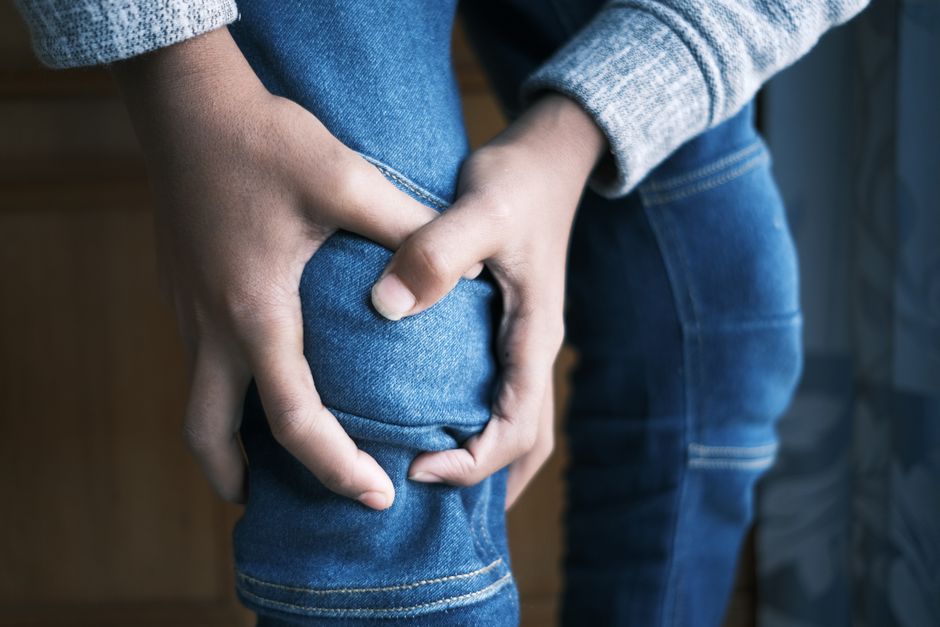
If this type of knee discomfort shows up during daily movement, light support may help reduce strain on the joint while you work on the underlying cause.
See knee support options on AmazonHelpful Next Step
If gentle support helps during recovery, you can check a simple support option that many people use in daily life. It's worth knowing that how to pace errands on a day when your knee is sensitive follows a very similar pattern and responds to the same kind of approach.
This content is for educational purposes only and does not constitute medical advice. Always consult a qualified healthcare professional for diagnosis and treatment.