🦵 Not sure what's causing it? Take the 5-question knee quiz.
Find My Pattern →How to Manage Pet Care When Kneeling is Difficult
Feeding time arrives and you crouch down to set the bowl on the floor, but the moment your knees bend that way—that specific angle where weight settles into your kneecaps—a sharp or dull ache spreads across the front of your knee or deep inside the joint. Maybe it's fine while you're standing, but kneeling to clean a litter box, bathe a dog, or pick up scattered toys becomes something you dread. The pain might ease once you stand again, or it might linger for hours. Either way, pet care tasks that require you on your knees have become harder to manage, and you're trying to figure out how to keep caring for your animal without making things worse.
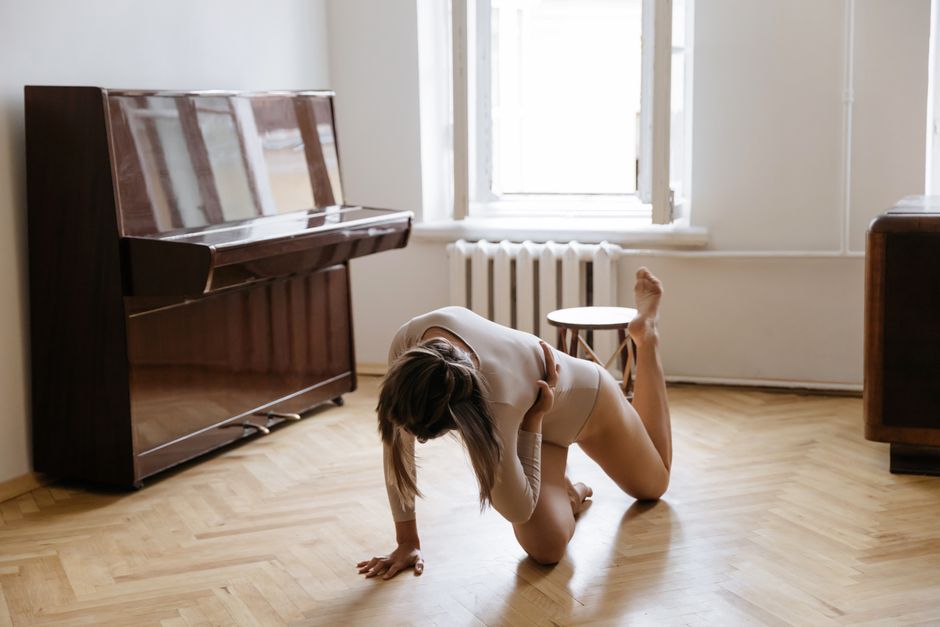
Why kneeling aggravates knee pain
🦵 Not sure what's causing your knee pain?
Answer 5 quick questions and get a personalised result.
Find My Pattern → 60 seconds · No sign-upKneeling puts intense pressure directly on your kneecap and the structures underneath it. When you lower yourself onto your knees, your full body weight compresses into a small area, and the angle of your knee joint changes in ways that can irritate cartilage, tendons, or the tissues around your kneecap.
Several patterns can make this worse. If you have patellar tendinitis—inflammation in the tendon below your kneecap—kneeling can trigger immediate discomfort because that position loads the tendon heavily. Osteoarthritis in the knee joint may cause pain that's worse when you kneel because the joint surfaces are bearing weight at an angle that feels unstable or grinding. Bursitis, where fluid-filled sacs around your knee become inflamed, often flares specifically when you kneel on hard surfaces. Tight muscles in your thigh or calf can also pull on your knee in ways that make kneeling more painful, because those tight muscles change how your kneecap tracks as you move. People dealing with this frequently also notice both knees hurt when kneeling on any surface, particularly after extended periods of inactivity.
The timing matters too. You might feel fine all morning, but after you've knelt a few times during pet care, the pain builds. Or it might hit immediately—that first moment your knee touches the floor.
Practical ways to manage pet care without constant kneeling
Use furniture or equipment to change your position. Instead of kneeling to feed your pet, place the food and water bowls on a slightly raised platform—a low table, a sturdy stool, or even stacked books. This lets you bend at the hips and waist instead of loading your knees. You can stand or squat briefly if squatting doesn't bother you as much as kneeling does. For litter box cleaning, consider a raised litter box designed to sit higher off the ground, or place the box on a low shelf or platform so you're not bending as far down.
Kneel on cushioning if you must kneel. If some tasks truly require kneeling, use a thick foam kneeling pad, a folded yoga mat, or even a gardening kneeler (the kind with handles). The padding reduces direct pressure on your kneecap and the bony parts of your knee. Some people find that kneeling on both knees feels more stable and distributes pressure more evenly than kneeling on one knee, which can create an uneven load.
Shorten the time you spend in that position. Break pet care tasks into smaller chunks. Instead of spending ten minutes on your knees grooming or playing, do two minutes, stand up, walk around for a minute, then return if needed. This prevents the pain from building up and gives your knee a chance to recover between tasks.
Sit on a low stool or bench to do hands-on pet care. If you're bathing a small dog, giving medication, or brushing your pet, sit on a low stool beside them instead of kneeling. Your knees can stay bent at a gentler angle, and you have better control and stability. For larger pets, you might sit on the floor with your legs extended or crossed, which avoids the direct pressure of kneeling.
Modify how you lower yourself and stand up. If you do need to kneel, don't drop straight down. Instead, place one hand on a nearby chair or table, lower yourself slowly onto one knee, then the other. When you stand, push through your hands and arms as much as possible rather than relying on your legs to lift your full weight. This reduces the strain on your knees during the transition.
What to avoid while managing pet care
Don't kneel on hard, unforgiving surfaces like tile or concrete floors. The lack of cushioning concentrates pressure directly on your knee. Avoid staying in a kneeling position for long stretches—even if the pain hasn't started yet, prolonged kneeling can trigger delayed pain hours later.
Don't ignore increasing pain as a sign to stop. If kneeling causes sharp pain (not just mild discomfort), that's your signal to switch positions or take a break. Pushing through sharp pain can make the underlying problem worse.
When to talk to a healthcare professional
If kneeling pain is new and came on after an injury, or if it's getting worse despite your efforts to avoid kneeling, speak with a doctor or physical therapist. They can examine your knee, identify what's actually causing the pain, and suggest specific exercises or treatments tailored to your situation. If you also experience front of knee hurts when kneeling, the two issues often share the same underlying cause.
Pain that swells noticeably after kneeling, pain that doesn't ease within a few hours of stopping the activity, or pain that's starting to affect how you walk—these are signs worth getting checked out.
Safety note: If you have severe pain, significant swelling, a recent injury, fever, numbness, or difficulty bearing weight, speak with a qualified healthcare professional promptly.
Finding a rhythm that works for your pet and your knee
Managing pet care with knee pain is about small adjustments that add up. Raising food bowls, using cushioning, and breaking tasks into shorter intervals can let you keep caring for your animal without constantly aggravating your knee. Pay attention to which tasks bother you most and which positions feel better—that information helps you make changes that actually matter for your daily life. If the pain persists or worsens even with these modifications, a physical therapist can assess whether your knee needs specific strengthening or if there's an underlying issue that needs attention.
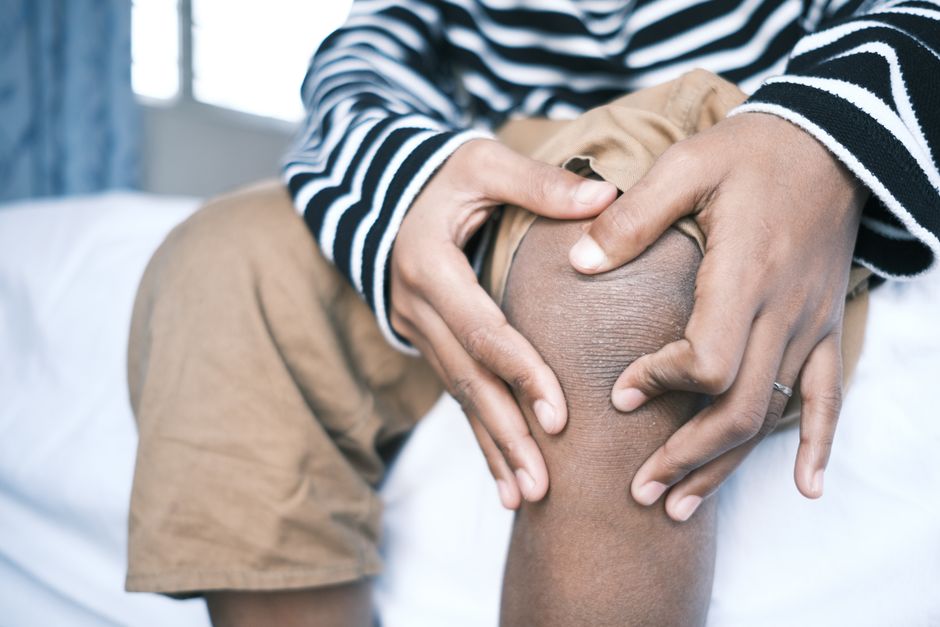
Helpful Next Step
As an Amazon Associate, we may earn from qualifying purchases. This does not affect the price you pay.
Helpful Support Option
If this type of knee discomfort shows up during or after prolonged sitting, light compression may help reduce stiffness and support the joint during movement.
See knee compression optionsHelpful Next Step
If gentle support helps during recovery, you can check a simple support option that many people use in daily life. It's worth knowing that how to manage knee discomfort on a train journey follows a very similar pattern and responds to the same kind of approach.
This content is for educational purposes only and does not constitute medical advice. Always consult a qualified healthcare professional for diagnosis and treatment.