🦵 Not sure what's causing it? Take the 5-question knee quiz.
Find My Pattern →How to Manage Laundry When Stairs Bother Your Knee
Laundry day used to be routine—grab the basket, head downstairs, toss a load in. Now those stairs between floors feel like a negotiation with your knee. You might notice the pain starts the moment you begin descending with a full basket, or it builds gradually as you make multiple trips up and down. Some people find the real trouble happens on the way down, when your leg has to control your weight with each step. Others feel a tight, heavy sensation that makes them grip the railing tighter than they used to. Either way, the task that should take thirty minutes now requires careful planning and a slower pace.
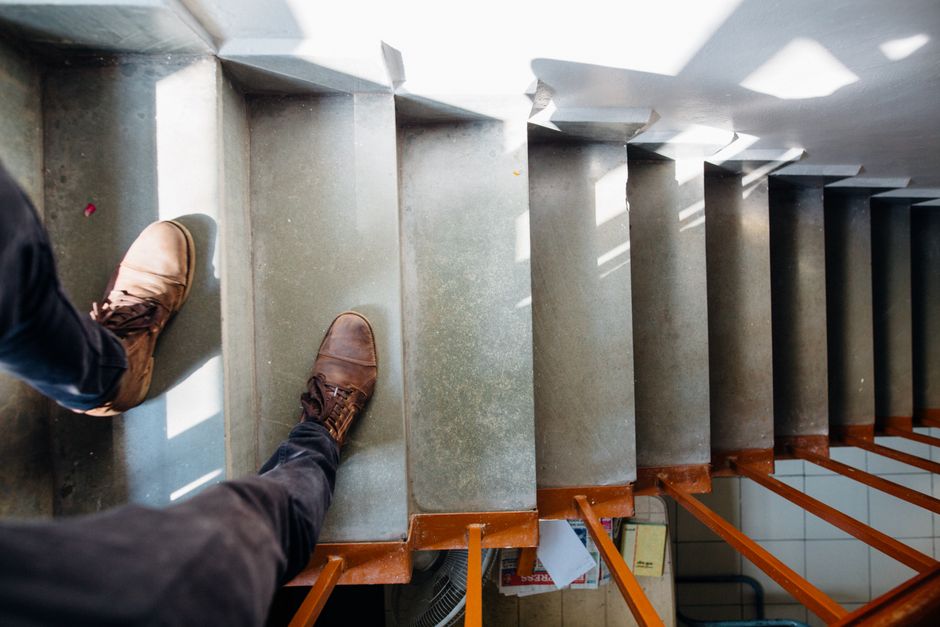
Why stairs can aggravate your knee
🦵 Not sure what's causing your knee pain?
Answer 5 quick questions and get a personalised result.
Find My Pattern → 60 seconds · No sign-upWhen you walk down stairs, your knee absorbs force differently than it does on flat ground. Your quadriceps (the muscle on the front of your thigh) has to work hard to control your descent, and your knee joint compresses under the weight of your body plus whatever you're carrying. If you're holding a laundry basket, you've also shifted your center of gravity and reduced your ability to use the railing for balance.
Several things can make stairs feel worse. Weakness in the muscles around your knee—especially the quadriceps and glutes—means your joint has to do more of the stabilizing work on its own. Tightness in your calf, hamstring, or hip flexors can also change how your knee tracks as you step down. In some cases, inflammation or irritation in the joint itself makes the repetitive bending and straightening feel uncomfortable or unstable. Carrying extra weight (like a full laundry basket) simply increases the load your knee has to manage with each step. It's worth knowing that both knees hurt going up and down stairs follows a very similar pattern and responds to the same kind of approach.
Practical ways to reduce stair trips
The simplest approach is to reduce how often you go up and down. Instead of making multiple small trips, gather everything you need before you start. If your washer and dryer are downstairs, collect all the dirty laundry in one or two trips rather than five. Bring detergent, dryer sheets, and a stain stick down at the same time. This cuts the total number of stair crossings significantly.
When you do carry something, keep the basket light. A half-full basket is easier to manage than a stuffed one, and it leaves a hand free to grip the railing. Some people find it helpful to carry the basket in front of them at waist height rather than at their side, as this keeps their body more centered. If stairs are really bothering you, consider making two trips with lighter loads instead of one trip with a heavy one.
Use the railing every time, even if you normally wouldn't. The railing reduces the amount of weight your knee has to support and gives you something to stabilize against if your knee feels unsteady. Take one step at a time rather than skipping steps—this sounds slower, but it actually reduces the force through your knee on each individual step. Descending is usually harder than ascending, so move especially slowly on the way down.
If your laundry setup allows it, consider relocating some tasks to minimize stairs. Can you fold clothes on the main floor instead of carrying everything upstairs? Can you keep a small hamper in the laundry area so you don't have to carry clean clothes back up as often? Small changes in your routine can add up to fewer painful trips.
What to avoid while managing this
Don't rush down the stairs, even if you're running late. Hurrying forces your knee to absorb impact faster and reduces your ability to control each step. Avoid carrying items that block your view of the stairs—you need to see where your feet are going. Don't skip the railing to keep both hands free for the basket; the railing is more important than convenience. This pattern is related to dull ache behind knee after climbing stairs, and the same management principles often apply.
Skip carrying anything on your way down if your knee is already bothering you that day. Going down is harder on your knee than going up, so save the carrying for the upward trip if you have a choice. Avoid twisting your torso while on the stairs, as this can strain your knee and throw off your balance. Don't push through sharp pain—if a step causes a sudden, intense sensation, slow down or take a break.
When to speak with a professional
If stair pain is new and happened after an injury, or if your knee feels unstable (like it might give out), schedule a visit with your doctor or physical therapist. Pain that's getting worse over time, or pain that doesn't improve with rest and slower movement, also warrants professional input. Significant swelling, warmth, or redness around your knee are signs to get checked sooner rather than later.
A physical therapist can assess how your knee moves on stairs and identify whether weakness, tightness, or alignment issues are contributing. They can also give you exercises tailored to your situation and help you understand what's safe to push through and what's a warning sign to stop.
Safety note: If you have severe pain, significant swelling, a recent injury, fever, numbness, or difficulty bearing weight, speak with a qualified healthcare professional promptly.
Moving forward with laundry day
Managing laundry with stair pain is mostly about reducing unnecessary trips and moving carefully when you do climb. Most people find that lighter loads, a slower pace, and consistent railing use make a real difference in how their knee feels. Keep track of which movements bother your knee most—is it the descent, the ascent, carrying weight, or a combination? That observation will help you and any healthcare provider understand what's happening and what adjustments might help most.
Helpful Next Step
As an Amazon Associate, we may earn from qualifying purchases. This does not affect the price you pay.
Helpful Support Option
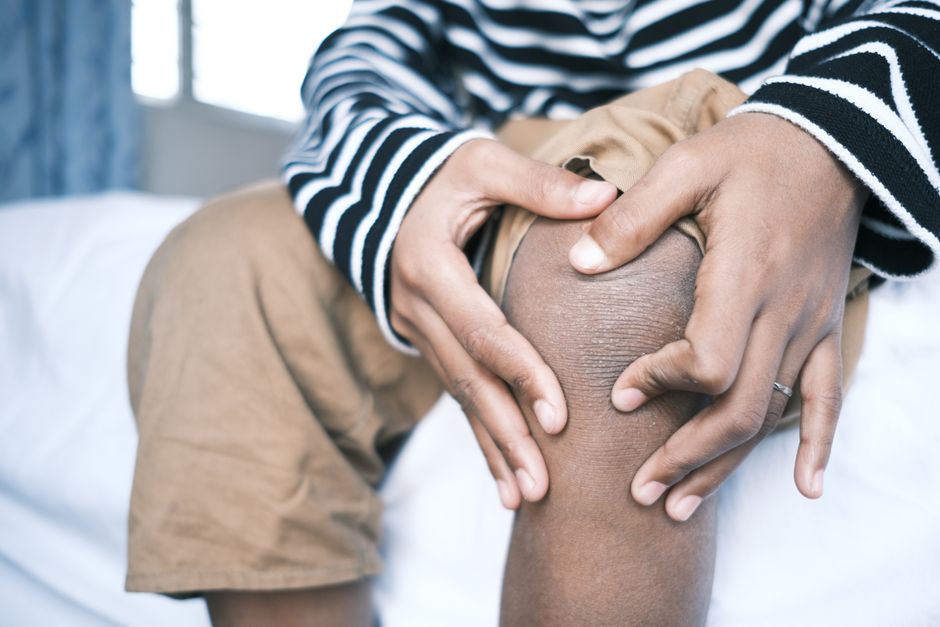
If this type of knee discomfort flares up on stairs, light compression or a supportive brace can help reduce strain on the joint while you work on strengthening the surrounding muscles.
See knee support options on AmazonHelpful Next Step
If gentle support helps during recovery, you can check a simple support option that many people use in daily life. People dealing with this frequently also notice front knee pain after climbing stairs, particularly after extended periods of inactivity.
This content is for educational purposes only and does not constitute medical advice. Always consult a qualified healthcare professional for diagnosis and treatment.