🦵 Not sure what's causing it? Take the 5-question knee quiz.
Find My Pattern →How to Ask for a Seat Without Feeling Awkward About Knee Pain
That moment arrives without warning. You're standing on public transport, in a waiting room, at a social gathering—somewhere you expected to manage fine. Then your knee starts sending signals. Not screaming, necessarily. Maybe a dull ache that deepens the longer you're upright. Maybe a tight sensation behind the kneecap that makes you shift your weight constantly. Maybe your leg feels heavier than it should, like standing is suddenly requiring effort you didn't budget for. And now you're facing a different problem than the knee pain itself: the social discomfort of asking for a seat when you look fine.
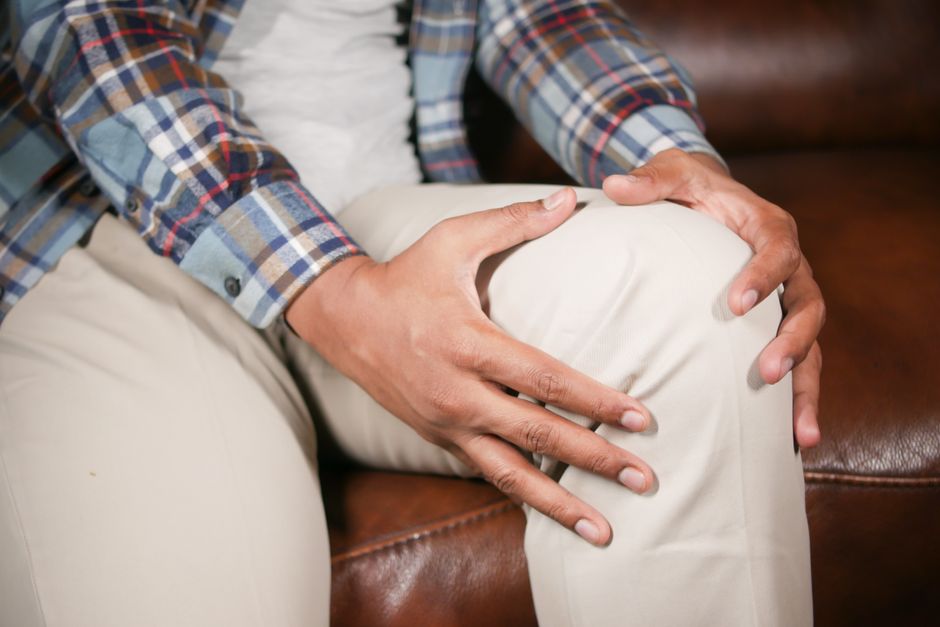
The awkwardness isn't really about your knee. It's about the gap between how you appear and how you feel. You don't have a visible cast. You're not using a cane. To anyone watching, you look like someone who could stand. So asking feels like you're asking for something you don't deserve, or worse—that you're lying about needing it.
This isn't a small thing. The reluctance to ask often means you stay standing longer than your knee can comfortably manage, which can make the pain worse, which can make you hesitant to go out at all. Understanding what's actually happening with your knee, and giving yourself permission to ask without guilt, can change how you move through your day. For useful context, grinding feeling in knee tends to have the same mechanical roots and overlapping solutions.
Why standing becomes uncomfortable even when your knee looks normal
🦵 Not sure what's causing your knee pain?
Answer 5 quick questions and get a personalised result.
Find My Pattern → 60 seconds · No sign-upSeveral things can make standing painful while leaving no obvious sign that anything's wrong.
Knee pain often comes from how forces move through the joint when you're upright. Standing isn't passive—your muscles are constantly adjusting to keep you balanced. If your quadriceps (the muscle on the front of your thigh) isn't firing evenly, or if your hip muscles aren't stabilizing properly, the load shifts onto the knee joint itself. You can feel this as a building ache or a sense of instability, even though nothing looks swollen from the outside.
Inflammation inside the knee joint can also cause significant discomfort without visible swelling. The pain can be sharp or dull depending on what's irritated, and it often gets worse the longer you're upright because you're not giving the joint a chance to rest.
Some knee pain comes from how your kneecap tracks when you move. If it's not gliding smoothly in its groove, standing and slight movements can create friction that feels like pressure or soreness behind the kneecap. Again—nothing visible, but genuinely uncomfortable.
Previous injuries, even ones that seemed minor at the time, can leave your knee more sensitive to prolonged standing. Your nervous system may be protecting the area by sending pain signals earlier than it would for someone without that history.
None of these require visible signs. Your knee can hurt legitimately while looking completely normal.
How to ask without the guilt
Name the need simply. You don't owe anyone a detailed explanation of your knee. "Would you mind if I sat down? I have some knee discomfort" is complete. You're not asking for sympathy or validation. You're describing a real physical need. The person offering you a seat almost always feels good about helping—they don't need you to justify why you deserve it.
Reframe what "looking fine" means. Pain and appearance are separate things. A broken bone shows on an X-ray but not always on your skin. Knee pain works the same way. You can look completely healthy and still need to sit. This isn't deception. It's just how bodies work.
Ask early, before you're desperate. Waiting until your pain is severe or you're visibly struggling makes asking feel more dramatic. If you ask when you're at a 4 or 5 out of 10 discomfort, it feels like a normal request. You're also protecting your knee from getting worse—prolonged standing can increase inflammation and pain for hours afterward.
Have a short answer ready for curious people. Most people won't ask. But if someone does, you can say "I'm managing some knee stuff" or "My knee doesn't like standing for long periods." You don't need to diagnose yourself or prove anything. A sentence is enough.
Sit down without apologizing. Once you're seated, don't spend the time saying sorry or explaining further. You asked, you received, you're now comfortable. That's the end of it. The awkwardness often comes from our own discomfort with taking up space, not from the person who gave us the seat.
What to watch for if asking for a seat becomes your pattern
If you're needing to sit frequently, or if sitting used to be optional and now it's necessary, that's information worth paying attention to. It doesn't mean something is wrong—but it does mean your knee is telling you something has changed. It's worth knowing that how to choose an aisle or window seat when your knee hurts follows a very similar pattern and responds to the same kind of approach.
Notice whether the pain is getting worse, spreading to other parts of your leg, or appearing in new situations. Notice if resting helps or if the discomfort lingers even after you've been seated for a while. Notice whether certain activities (stairs, walking on uneven ground, specific movements) make it worse. These details matter when you eventually talk to a healthcare provider.
Also notice how your knee feels the day after you've been standing a lot. Some pain gets better overnight. Some gets worse. That pattern can help identify what's actually going on.
When to talk to a professional
If asking for a seat has become your new normal, or if the pain is worsening despite rest, that's a good time to see someone who can actually assess your knee. A physical therapist or doctor can figure out whether this is something that responds to specific exercises, whether your alignment or muscle balance needs attention, or whether something else is contributing.
You don't need to wait for the pain to be severe or for it to affect your work or daily life significantly. Early attention often means faster improvement.
Safety note: If you have severe pain, significant swelling, a recent injury, fever, numbness, or difficulty bearing weight, speak with a qualified healthcare professional promptly.
Moving forward
Asking for a seat isn't weakness or exaggeration. It's you responding to what your body needs right now. The awkwardness fades once you realize that most people would rather you sit than watch you suffer standing up.
Start paying attention to when your knee feels best and worst over the next week or two.
Helpful Next Step
As an Amazon Associate, we may earn from qualifying purchases. This does not affect the price you pay.
Helpful Support Option
If this type of knee discomfort shows up during or after prolonged sitting, light compression may help reduce stiffness and support the joint during movement.
See knee compression optionsHelpful Next Step
If gentle support helps during recovery, you can check a simple support option that many people use in daily life. It's worth knowing that how to squat without knee pain follows a very similar pattern and responds to the same kind of approach.
This content is for educational purposes only and does not constitute medical advice. Always consult a qualified healthcare professional for diagnosis and treatment.