🦵 Not sure what's causing it? Take the 5-question knee quiz.
Find My Pattern →How Do I Know When to Rest My Knee Versus When to Keep Moving?
You're standing in the kitchen and your knee feels tight. Not painful exactly, but present. You wonder: should you sit down for the afternoon, or will that make it stiffer? You scroll through your phone and find conflicting advice—one source says rest, another says movement prevents stiffness. By evening you're uncertain whether you made the right call, and that uncertainty itself becomes frustrating. The question isn't really about what's "best" in general. It's about what your specific knee is telling you right now.
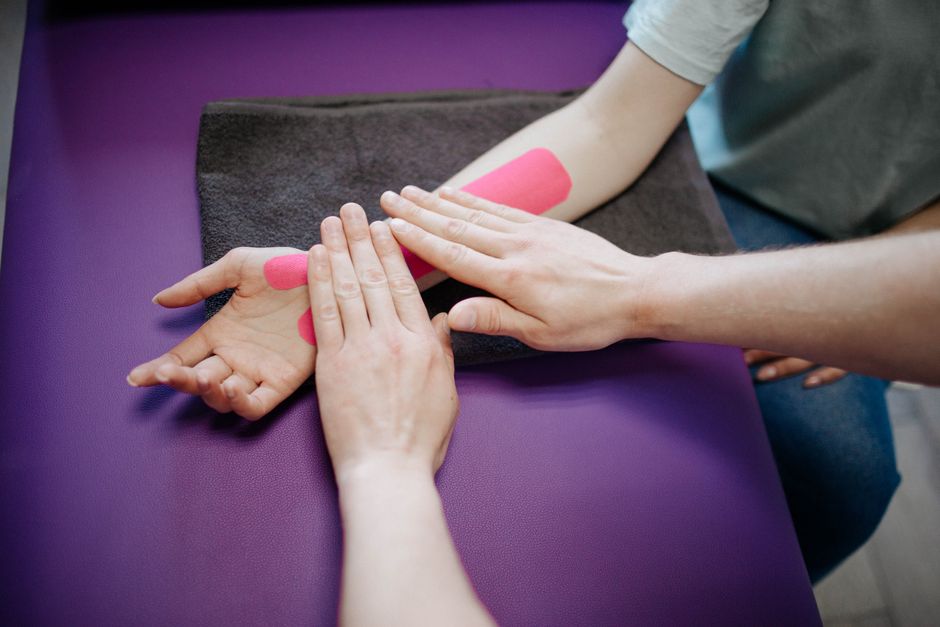
Understanding why this decision feels so unclear
🦵 Not sure what's causing your knee pain?
Answer 5 quick questions and get a personalised result.
Find My Pattern → 60 seconds · No sign-upYour knee's behavior often depends on what's happening underneath. If you have mild inflammation from overuse, staying completely still can actually stiffen the joint and make tomorrow feel worse. If you have an acute injury or significant swelling, pushing through movement can aggravate it further. If your pain is from muscle tightness around the knee rather than the joint itself, gentle movement often helps. If it's from joint instability, the wrong movements can make you feel unsafe.
This confusion exists because rest and movement aren't opposites—they're tools that work differently depending on the situation. A knee that needs ice and elevation for two days might need careful walking on day three. A knee that feels fine during the day might swell after you've been sitting for hours. The relationship between activity and pain isn't always straightforward, which is why you can't just follow one rule. It's worth knowing that can i keep doing my regular activities if my knee hurts less today than yesterday follows a very similar pattern and responds to the same kind of approach.
How to tell what your knee actually needs right now
Notice the timing of your pain. Does it hurt while you're moving, or does it hurt after you stop? Pain that appears during activity often means you should ease off that specific movement. Pain that arrives hours later—or the next morning—suggests the activity itself wasn't the problem; inflammation is building. Pain that starts when you're sitting still and improves when you move gently often points to stiffness rather than injury. These patterns matter more than the pain level alone.
Test gentle movement carefully. Before deciding to rest completely, try slow, pain-free movement in the direction that doesn't bother your knee. Walk slowly around your house. Do a few small knee bends if they don't hurt. Gently straighten and bend your leg while sitting. If these movements feel fine or even slightly better, your knee is often signaling that it wants some motion. If any movement immediately increases pain or causes sharp sensations, that's your signal to stop and rest.
Distinguish between discomfort and pain. A tight, achy feeling during gentle movement is often different from sharp, catching, or unstable sensations. Tightness and mild ache can improve with movement and ice. Sharp pain, a feeling of the knee giving way, or pain that worsens quickly usually means rest and professional evaluation. This distinction helps you avoid the trap of "pushing through" something that genuinely needs protection.
Apply ice strategically, not as a rest requirement. Ice reduces swelling and can make movement feel better, but it doesn't mean you must stay off your feet. You can ice your knee while sitting upright, then do gentle movement once the numbness fades. Ice for 15 minutes, wait 45 minutes, then reassess. This approach addresses inflammation without forcing you into complete immobility.
Track what actually happens next. If you rest today and your knee feels worse tomorrow—stiffer, more achy, less stable—that's information. If you move gently today and feel better tomorrow, that's also information. After a few days of paying attention to this pattern, you'll recognize whether your knee responds better to rest or to careful activity. Your knee's actual behavior is more reliable than any general rule.
What tends to make things worse
Staying completely still for days often increases stiffness and can weaken the muscles that support your knee, which then hurts more when you do move. Pushing through sharp pain or instability typically aggravates the underlying issue. Alternating between complete rest and intense activity—resting for a week then suddenly doing a long hike—often triggers a flare. Icing after activity without any movement can leave your knee feeling stiff and sore. Assuming that because pain decreased, the problem is resolved, and returning to full activity too quickly often brings the pain back harder.
When to stop managing this alone
Pain that doesn't improve or worsens over two weeks deserves professional assessment. Swelling that doesn't reduce with ice and elevation, or swelling that comes back repeatedly, warrants evaluation. A knee that feels unstable—like it might give way—needs proper examination. Pain severe enough that you can't put weight on your leg, or pain accompanied by fever, warmth, or redness, needs prompt attention. Clicking or catching sensations combined with pain or swelling should be assessed. This pattern is related to deep aching pain inside knee joint at rest, and the same management principles often apply.
Safety note: If you have severe pain, significant swelling, a recent injury, fever, numbness, or difficulty bearing weight, speak with a qualified healthcare professional promptly.
Finding your personal pattern
The real answer to your question isn't a rule. It's learning to read your own knee's signals. Some people's knees respond well to daily gentle walking and stretching. Others need a day of rest followed by careful movement. Many find that ice plus light activity works better than either alone. The pattern that works for you might shift depending on what caused the pain in the first place.
Over the next week or two, pay attention to which combination—rest, gentle movement, ice, or a mix—actually makes your knee feel better the next day. That observation becomes your personal guide, far more useful than general advice.
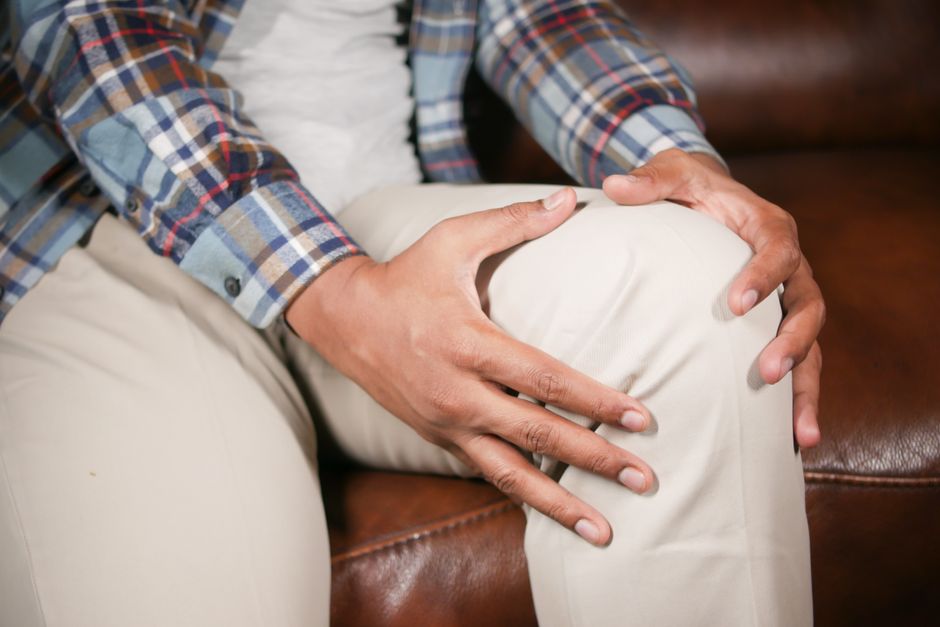
Helpful Next Step
As an Amazon Associate, we may earn from qualifying purchases. This does not affect the price you pay.
Helpful Support Option
If this type of knee discomfort shows up during daily movement, light support may help reduce strain on the joint while you work on the underlying cause.
See knee support options on AmazonHelpful Next Step
If gentle support helps during recovery, you can check a simple support option that many people use in daily life. People dealing with this frequently also notice how do i know if my clicking knee is just noise or a sign of cartilage damage, particularly after extended periods of inactivity.
This content is for educational purposes only and does not constitute medical advice. Always consult a qualified healthcare professional for diagnosis and treatment.