🦵 Not sure what's causing it? Take the 5-question knee quiz.
Find My Pattern →Knee Clicking With Pain After Walking Uphill
Walking uphill feels fine while you're doing it—your legs burn, you're focused on the climb—and then somewhere between reaching the top and sitting down, it starts. A clicking sensation in your knee, followed by a dull ache that settles in and peaks a few hours later. The clicking itself might feel mechanical, almost like something shifting inside, but the pain that follows is what makes you wonder if you've done something wrong. The next time you consider a hike or even a steep staircase, you hesitate. You can't predict whether today's knee will cooperate, and that uncertainty becomes its own kind of exhaustion.
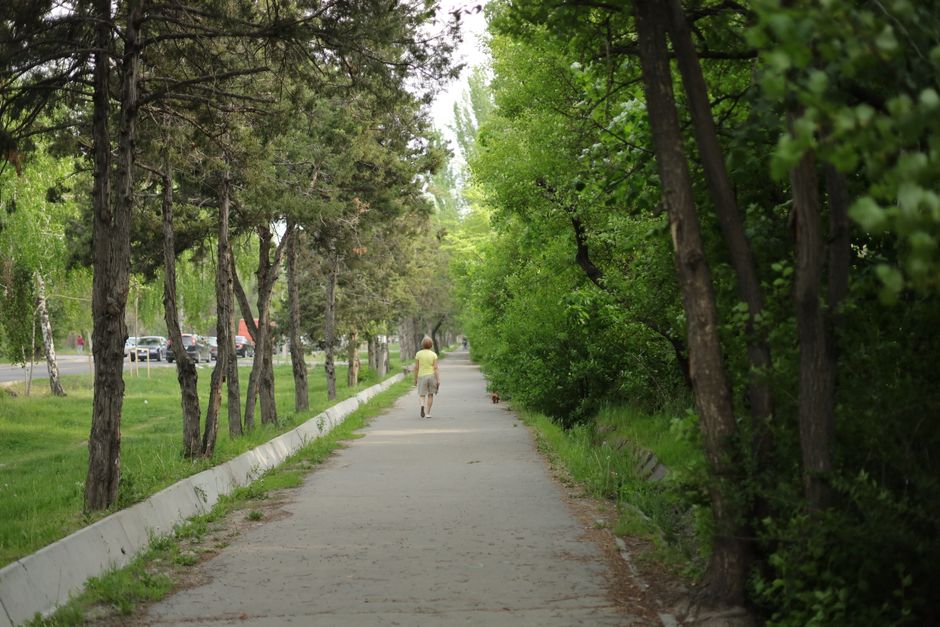
Why uphill walking triggers this pattern
🦵 Not sure what's causing your knee pain?
Answer 5 quick questions and get a personalised result.
Find My Pattern → 60 seconds · No sign-upWalking uphill demands something different from your knee than flat ground does. Your quadriceps—the muscles on the front of your thigh—work harder to lift your body weight against gravity. At the same time, your kneecap tracks through a deeper range of motion, and the cartilage underneath experiences more pressure than usual. If that tracking isn't perfectly aligned, or if the muscles supporting your knee are uneven in strength, the kneecap can shift slightly side to side. That shift often creates the clicking sensation you hear and feel.
The pain often arrives later—sometimes hours after you've finished walking—because inflammation builds gradually. You might feel fine on the trail and then notice the ache when you sit down or try to go downstairs. This delayed timing is important: it means the clicking itself isn't necessarily dangerous, but it does signal that something in your knee mechanics needs attention. If you also experience knee feels swollen after walking uphill, the two issues often share the same underlying cause.
Several patterns can cause this. Muscle imbalances are common—your quadriceps might be stronger on one side, or your glutes might not be pulling their weight, leaving your knee to compensate. Tightness in your calf or hip flexors can also change how your knee tracks during uphill movement. In some cases, the cartilage under your kneecap has become irritated from repetitive pressure, and uphill walking aggravates it more than flat surfaces do. Weather, sleep quality, and stress levels can all influence how much pain you feel on any given day, even if the activity is identical.
What you can try
Start by adjusting how you approach inclines. Shorter, more frequent steps—almost a shuffle—reduces the range of motion your knee needs and often feels less aggravating than taking longer strides. Lean slightly forward from your hips rather than your waist; this distributes the work differently and can ease pressure on your kneecap. If you're hiking, poles or a walking stick can transfer some of your weight away from your legs entirely.
After uphill activity, ice your knee for 15 to 20 minutes within the first hour or two. Many people skip this because the pain hasn't peaked yet, but that's exactly when ice is most effective. A bag of frozen peas wrapped in a thin cloth works as well as anything else. Elevate your leg while icing—prop it on a pillow or ottoman—to help reduce swelling before it builds.
Pay attention to what happens on the descent. Many people notice the clicking is worse coming downhill than going up, or that it feels different—more of a grinding sensation. This detail matters because it tells you something about which structures are irritated. If downhill is significantly worse, your quadriceps might need specific attention.
Strengthen your glutes with simple exercises you can do at home. Single-leg glute bridges, clamshells, or even just standing on one leg while brushing your teeth activates these muscles in a way that stabilizes your knee. Weak glutes force your quadriceps to work overtime and often cause the tracking problems that lead to clicking. You don't need a gym; consistency matters more than intensity. If you also experience knee pain walking uphill, the two issues often share the same underlying cause.
Consider your footwear. Shoes with worn-down heels or inadequate arch support can alter how your foot strikes the ground, which ripples up to affect your knee. You don't need expensive shoes, but they should feel stable and supportive during walking.
When to seek professional help
If clicking and pain persist beyond two weeks, or if the pain is sharp enough to make you catch your breath mid-stride, talk to a healthcare provider. The same applies if you notice significant swelling, if your knee feels unstable or gives way, or if the pain is preventing you from doing everyday activities like climbing stairs at home.
Pay attention to whether the pain is getting worse despite rest, or whether it's spreading to other parts of your leg. These changes warrant professional evaluation sooner rather than later.
Safety note: If you have severe pain, significant swelling, a recent injury, fever, numbness, or difficulty bearing weight, speak with a qualified healthcare professional promptly.
Frequently Asked Questions
Q: Why does my knee feel worse after sitting for a long time?
A: This pattern — stiffness or pain after prolonged sitting that eases once you move around — is a hallmark of irritation around the kneecap or the soft tissues surrounding it. The joint stiffens in a flexed position, and the first movement disturbs it. Most people find it settles within a minute or two of walking.
Q: What happens if I ignore knee clicking with pain after walking uphill?
A: In some cases, minor knee discomfort does resolve on its own. But consistently ignoring pain — especially if it's altering how you move — can allow the underlying cause to worsen. Most people find that early, sensible attention leads to faster recovery than waiting it out indefinitely.
Q: Can stretching help with knee clicking with pain after walking uphill?
A: Gentle stretching of the quadriceps, hamstrings, calves, and hip flexors can reduce the muscular tension that contributes to knee discomfort. A sustained, comfortable hold of 20 to 30 seconds is far more effective and safer than aggressive or bouncing stretches.
Where to Go From Here
Most people who take early, sensible action recover well. Start with what you can manage today and monitor closely. If things are not improving after a few weeks, that is the right time to bring in professional support.
Helpful Next Step
As an Amazon Associate, we may earn from qualifying purchases. This does not affect the price you pay.
Helpful Support Option
If this discomfort shows up during daily walking or standing, a compression sleeve may help reduce load on the joint during movement while the underlying cause is addressed.
See walking knee support optionsHelpful Next Step
If gentle support helps during recovery, you can check a simple support option that many people use in daily life. This pattern is related to outer knee ache after walking uphill, and the same management principles often apply.
This content is for educational purposes only and does not constitute medical advice. Always consult a qualified healthcare professional for diagnosis and treatment.