🦵 Not sure what's causing it? Take the 5-question knee quiz.
Find My Pattern →Sharp Pain When Trying to Kneel on Hard Floor
That moment when you lower yourself down to kneel—whether you're reaching for something under the sink, gardening, or praying—and the instant your knee makes contact with tile or concrete, a sharp pain shoots through the front of your knee. It might fade quickly once you're settled, or it might linger and intensify the longer you stay down. Either way, it's enough to make you hesitate the next time you need to kneel, and you find yourself avoiding situations that once felt automatic.
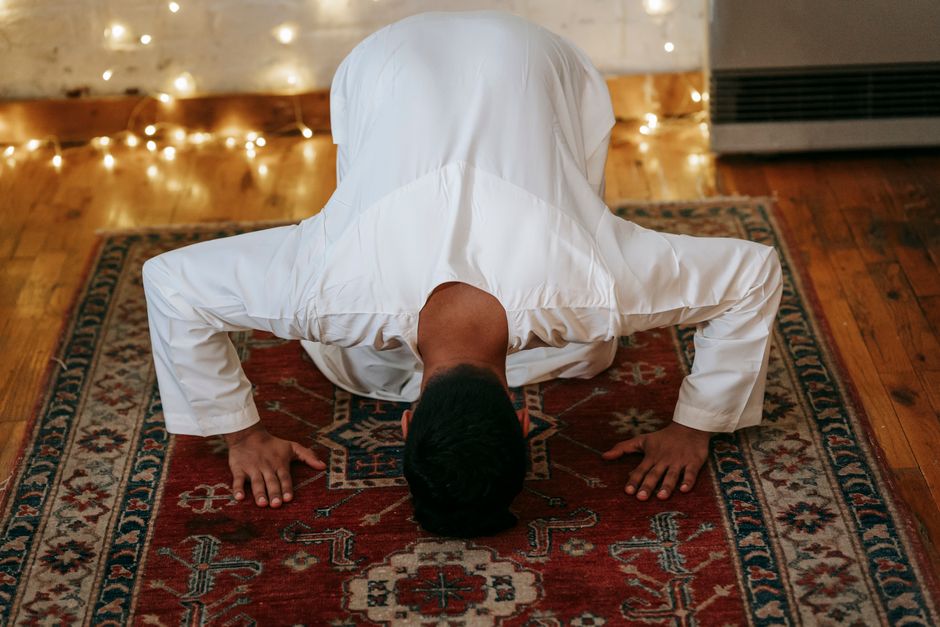
What's happening when your knee hits the ground
🦵 Not sure what's causing your knee pain?
Answer 5 quick questions and get a personalised result.
Find My Pattern → 60 seconds · No sign-upWhen you kneel on a hard surface, the pressure concentrates directly on the tissue just below your kneecap—an area with relatively little cushioning. Several things can make this contact painful.
The most common culprit is irritation of the bursa, a small fluid-filled sac that sits between your kneecap and the skin. When you kneel repeatedly or put pressure on hard surfaces, this bursa can become inflamed. What makes this distinct is the timing: the pain is often sharpest at the moment of contact, then may ease as your weight distributes. If you've been kneeling on hard floors regularly, the irritation builds gradually, and you might notice the pain gets worse as the day goes on. If you also experience cant kneel on hard floor, the two issues often share the same underlying cause.
Another possibility is mild inflammation in the tissue directly under your kneecap (the patellar tendon area). This can happen if you've increased activity recently—more gardening, more time on your knees at work, playing with children on the floor. The sharp sensation you feel is the tendon reacting to pressure it's not used to handling.
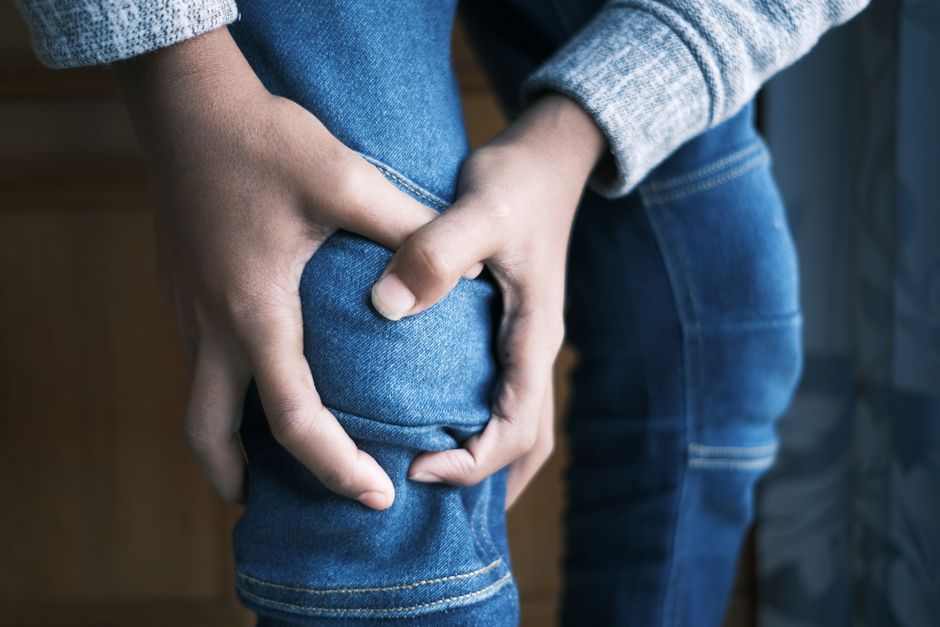
Sometimes the pain comes from the kneecap itself responding to direct pressure. If you've noticed the pain is specifically where the kneecap touches the ground, rather than deeper in the knee, this is often the case. This type of pain typically disappears the moment you stand up, which suggests the hard surface is the main irritant, not a structural problem inside the knee.
Less commonly, early-stage arthritis or cartilage softening under the kneecap can make kneeling painful. If the pain is duller and builds over 30+ seconds of kneeling rather than hitting sharply at contact, this may be worth exploring with a professional.
Practical steps to try
Cushioning matters more than you'd think. A simple foam kneeling pad or even a folded towel placed under your knee changes everything. The difference between kneeling on tile with padding versus without is often the difference between manageable and painful. Thick yoga mats, gardening kneelers, or even a pillow work. The goal is to distribute pressure over a larger area rather than concentrating it on one spot.
Pay attention to what you do before kneeling. If you kneel right after sitting for a while, your knee tissues are less prepared for the sudden pressure. Spending a minute or two moving—a few gentle steps, light stretching—can reduce the sharpness when you do kneel. Conversely, if you've been standing or walking a lot, kneeling might feel worse because your knee is already fatigued.
Ice after kneeling if you notice swelling. If the area below your kneecap feels puffy or warm after you've been down for a while, applying ice for 10–15 minutes can help settle the irritation. This is especially useful if you know you're going to kneel regularly (gardening season, for example).
Limit how long you stay down in one position. There's a difference between sharp pain at contact and pain that builds over time. If you notice the discomfort increases after 30 seconds or a minute of kneeling, shift your weight, stand up briefly, and kneel again. Breaking it into shorter intervals often feels better than pushing through.
Avoid kneeling on the hardest surfaces when possible. Grass, carpet, or soil are gentler than tile, concrete, or hardwood. If you have a choice, choose the softer surface. If you don't, the padding becomes even more important.
When to speak with a healthcare professional
If the pain is severe enough that you can't kneel at all, even with padding, that's worth mentioning to a doctor or physical therapist. The same applies if you notice significant swelling that doesn't go down after a day or two, or if the pain is spreading to other parts of your knee. If you also experience knee pain after walking barefoot on hard floor, the two issues often share the same underlying cause.
If the sharp pain has been present for more than a few weeks despite padding and rest, or if it's getting worse rather than staying the same, professional guidance can help identify whether something deeper is going on.
Safety note: If you have severe pain, significant swelling, a recent injury, fever, numbness, or difficulty bearing weight, speak with a qualified healthcare professional promptly.
Frequently Asked Questions
Q: Why does my knee feel worse after sitting for a long time?
A: This pattern — stiffness or pain after prolonged sitting that eases once you move around — is a hallmark of irritation around the kneecap or the soft tissues surrounding it. The joint stiffens in a flexed position, and the first movement disturbs it. Most people find it settles within a minute or two of walking.
Q: How long does sharp pain when trying to kneel on hard floor usually last?
A: This varies a lot depending on the cause. Minor muscle strain or overuse tends to settle within a few days to two weeks with appropriate rest and gentle movement. If it hasn't improved after three weeks — or symptoms are worsening — that's a clear signal to get a professional opinion.
Q: Should I use a knee brace or compression sleeve for sharp pain when trying to kneel on hard floor?
A: A basic compression sleeve can offer comfort and mild support during activity, and many people find it helpful in the short term. Don't rely on it long-term without also addressing the root cause — whether that's strength, flexibility, or movement patterns.
What To Do Tomorrow Morning
Most people who take early, sensible action recover well. Start with what you can manage today and monitor closely. If things are not improving after a few weeks, that is the right time to bring in professional support.
Helpful Next Step
As an Amazon Associate, we may earn from qualifying purchases. This does not affect the price you pay.
Helpful Support Option
If kneeling is part of your daily routine, padded knee protection can reduce direct pressure on the joint and the surrounding soft tissue.
See knee pad optionsHelpful Next Step
If gentle support helps during recovery, you can check a simple support option that many people use in daily life. There's a close connection between this and knee pain after walking on hard floors — the same structures are usually involved.
This content is for educational purposes only and does not constitute medical advice. Always consult a qualified healthcare professional for diagnosis and treatment.