🦵 Not sure what's causing it? Take the 5-question knee quiz.
Find My Pattern →Knee Pain After Walking Barefoot on Hard Floor
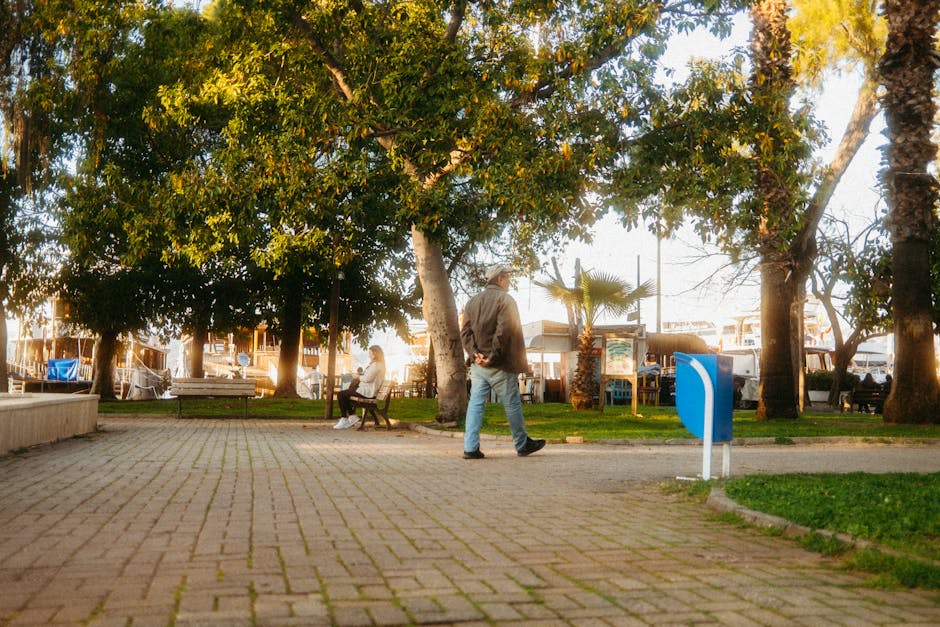
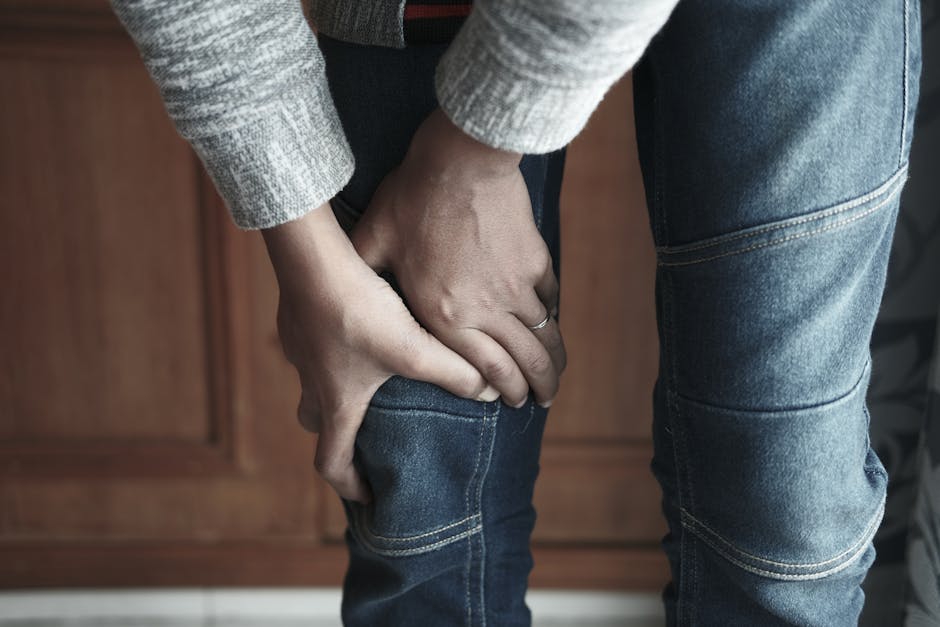
Walking barefoot across kitchen tile or wooden floors for just 20 minutes can feel harmless in the moment. You might notice a slight heaviness in your arch or a mild ache behind your kneecap while you're moving around. But then you sit down. An hour later, when you stand to walk to the kitchen again, your knee feels stiff and sore—sometimes sharply so—in a way that makes you wonder if something actually went wrong during those few barefoot minutes. The pain often worsens over the next day or two rather than improving, which can feel frustrating because the activity itself seemed so ordinary.
Why barefoot walking on hard floors affects your knees
🦵 Not sure what's causing your knee pain?
Answer 5 quick questions and get a personalised result.
Find My Pattern → 60 seconds · No sign-upWhen your feet lose the cushioning of shoes, your body absorbs impact differently. Hard floors like tile, concrete, or sealed wood offer no give—every step sends a shock wave up through your foot, ankle, and directly into your knee joint. Your feet and legs are designed to handle this occasionally, but the cumulative effect of sustained barefoot walking on unforgiving surfaces can strain the structures that support your knee.
Your arch naturally flattens slightly with each step. On soft ground or cushioned floors, this happens gradually. On hard surfaces, the flattening becomes more pronounced and happens more forcefully. When your arch collapses too much or too quickly, it changes the angle at which your shinbone and thighbone meet at the knee. This altered alignment can irritate the tissues around your kneecap or strain the tendons that cross the knee joint. Over several hours or days, this irritation builds into noticeable pain. For useful context, cant kneel on hard floor tends to have the same mechanical roots and overlapping solutions.
The delayed pain pattern—where discomfort peaks on day two or three rather than immediately—happens because the inflammation in your knee joint and surrounding soft tissues takes time to develop. You might feel fine during the barefoot walking itself, which is why the later pain can feel surprising and disproportionate to what you did.
Some people also naturally pronate (roll inward) when walking barefoot on hard floors more than they do in supportive shoes. Pronation itself isn't harmful, but excessive or sudden pronation changes the load on your knee and can trigger pain in the inner knee or around the kneecap. Others have naturally high arches that don't absorb shock as effectively, making them more vulnerable to this type of irritation. There's a close connection between this and knee pain after walking on hard floors — the same structures are usually involved.
What you can do to manage the pain
Rest the aggravating activity first. The most direct step is to avoid barefoot walking on hard floors while your knee is sore. This isn't about never going barefoot again—it's about giving your knee a chance to settle. Even three to five days without the repeated impact can make a meaningful difference in how quickly the irritation calms down.
Wear supportive shoes indoors. When you do need to walk around your home, choose shoes with a firm arch support and some cushioning in the sole. Sneakers or supportive sandals work well. The goal isn't maximum padding but rather stable support that keeps your arch from flattening excessively with each step. This small change often reduces knee pain noticeably within a few days.
Ice your knee in short sessions. If you notice swelling or warmth around your kneecap or the sides of your knee, applying ice for 10 to 15 minutes can help reduce inflammation. Do this a few times a day if the pain is recent and sharp. Cold works best in the first 48 hours after the activity that triggered the pain.
Pay attention to how you stand and move. When your knee is sore, notice whether you're favoring one leg or shifting your weight unevenly. Standing with weight distributed equally between both feet, rather than leaning into one side, can reduce strain on the irritated knee. When sitting, avoid crossing your legs or keeping your knee bent at a sharp angle for long periods—these positions can increase stiffness.
Gradually reintroduce barefoot time. Once your pain has settled, you don't need to avoid barefoot walking permanently. Instead, limit it to shorter periods on hard floors and build up tolerance slowly. Starting with 5 or 10 minutes and adding time over weeks, rather than jumping back to 30-minute sessions, helps your body adapt without triggering the cycle again.
When to seek professional guidance
If your pain is sharp and severe, or if swelling develops quickly and doesn't improve with ice and rest over a few days, a healthcare professional can assess what's happening in your knee. The same applies if the pain persists beyond two weeks despite avoiding barefoot walking on hard floors, or if it worsens despite your efforts to manage it.
Safety note: If you have severe pain, significant swelling, a recent injury, fever, numbness, or difficulty bearing weight, speak with a qualified healthcare professional promptly.
Frequently Asked Questions
Q: Is it safe to exercise with knee pain after walking barefoot on hard floor?
A: Gentle, low-impact movement is often beneficial — walking, swimming, and cycling tend to be well-tolerated. Avoid anything that sharply increases the discomfort. A physiotherapist can help identify which exercises are right for your specific situation and severity.
Q: Why does my knee feel worse after sitting for a long time?
A: This pattern — stiffness or pain after prolonged sitting that eases once you move around — is a hallmark of irritation around the kneecap or the soft tissues surrounding it. The joint stiffens in a flexed position, and the first movement disturbs it. Most people find it settles within a minute or two of walking.
Q: How long does knee pain after walking barefoot on hard floor usually last?
A: This varies a lot depending on the cause. Minor muscle strain or overuse tends to settle within a few days to two weeks with appropriate rest and gentle movement. If it hasn't improved after three weeks — or symptoms are worsening — that's a clear signal to get a professional opinion.
Where to Go From Here
Most people who take early, sensible action recover well. Start with what you can manage today and monitor closely. If things are not improving after a few weeks, that is the right time to bring in professional support.
Helpful Next Step
As an Amazon Associate, we may earn from qualifying purchases. This does not affect the price you pay.
Helpful Support Option
If this discomfort shows up during daily walking or standing, a compression sleeve may help reduce load on the joint during movement while the underlying cause is addressed.
See walking knee support optionsHelpful Next Step
If gentle support helps during recovery, you can check a simple support option that many people use in daily life. For useful context, knee gives way when walking tends to have the same mechanical roots and overlapping solutions.
This content is for educational purposes only and does not constitute medical advice. Always consult a qualified healthcare professional for diagnosis and treatment.