🦵 Not sure what's causing it? Take the 5-question knee quiz.
Find My Pattern →Sharp Pain at Back of Knee When Fully Bent
Sitting down feels fine. Walking around your house feels fine. But the moment you try to fold your leg completely—crouching to pick something up, sitting cross-legged, or bending your knee all the way back—a sharp pinch shoots through the back of your knee. It's not a dull ache that builds gradually. It's sudden, specific, and it makes you immediately straighten your leg to escape it. The strange part is that the pain only arrives at a certain angle, usually somewhere past 90 degrees of bend, which makes you wonder if you're damaging something by moving at all.
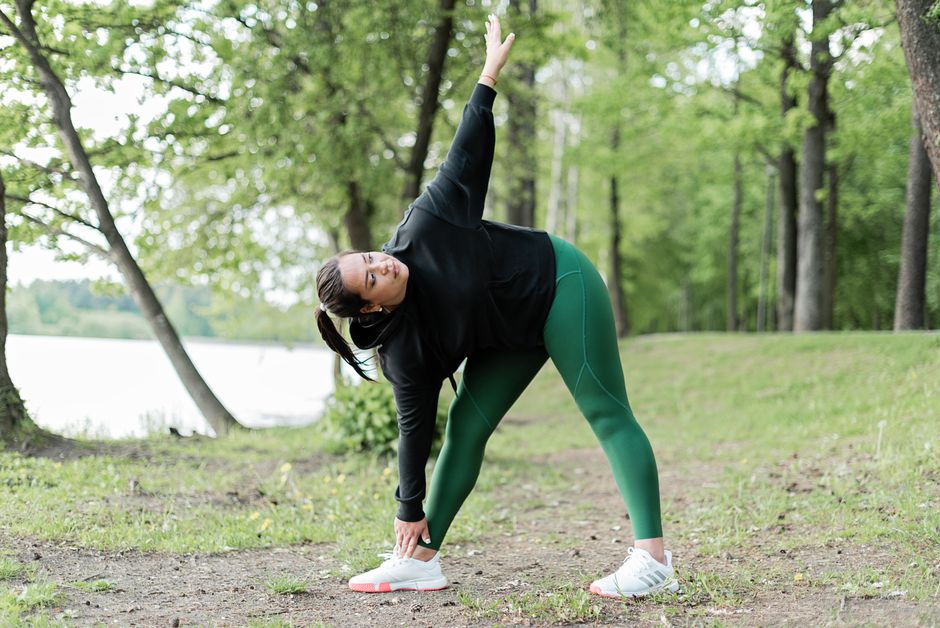
What causes sharp pain at the back of the knee during full bending
🦵 Not sure what's causing your knee pain?
Answer 5 quick questions and get a personalised result.
Find My Pattern → 60 seconds · No sign-upSeveral structures live in the back of your knee, and when you bend it fully, you're compressing that entire space. The pain you feel often points to one of a few things. This pattern is related to pain behind knee when fully bent, and the same management principles often apply.
Tight muscle and fascia at the back of your leg can create that pinching sensation. Your calf, hamstring, and the tissue wrapping around them tighten up from sitting, from repetitive activity, or simply from not moving through a full range regularly. When you bend your knee completely, these structures get compressed into a smaller space, and if they're already tense, that compression triggers a sharp response. This is especially common if you've been sitting for hours and then try to squat or fully bend your knee.
A small fluid-filled sac called a Baker's cyst can develop in the back of your knee and cause sharp pain when pressure builds inside it during deep bending. The cyst itself may have formed because of wear on the joint or inflammation, but the pain you feel is often the moment that pressure peaks as your knee folds.
Irritation of the tendons and ligaments that cross the back of your knee can produce that catching or pinching sensation. These structures have to glide smoothly as your knee bends, and if they're inflamed or slightly out of alignment, full bending can trigger a sharp response at a specific angle—often the point where tension is highest.
Cartilage or bone changes inside the joint can sometimes cause pain that's sharp and angle-specific. This is less common in younger people but becomes more possible as knees experience wear over time.
The key detail most people notice: the pain doesn't happen at every angle. It happens at full or near-full bend. This specificity is actually useful information because it tells you something is being compressed or irritated at that exact range.
How to carefully work with this pain
Find the angle where it's safe to move. Instead of avoiding bending altogether, discover where your knee feels comfortable. You might find that bending to 80 degrees is fine, but 95 degrees triggers the sharp pain. Stay in that safe range for now. This keeps your joint moving without aggravating whatever's causing the pinch. As the irritation settles, you may gradually find you can bend a bit further without that sharp response.
Apply ice after activity, not during. If you've spent time bending your knee—even in that safer range—ice the back of your knee for 15 minutes afterward. The sharp pain often doesn't appear immediately; it can emerge 2-3 hours later or the next morning. Icing after activity, rather than waiting for pain to arrive, can reduce inflammation before it builds. Wrap ice in a thin cloth so it's not directly on skin.
Warm up before you bend. Cold, stiff muscles are more likely to pinch. A few minutes of gentle movement—walking slowly, light leg swings, easy marching—can reduce that immediate sharp response when you do bend. This is why pain is often worse first thing in the morning or after sitting for a long time.
Stretch the back of your leg gently and regularly. Tight calves and hamstrings directly contribute to that compressed feeling at the back of your knee. Lean forward gently to stretch your hamstring, or use a towel to pull your shin toward your chest while lying down. Hold for 20-30 seconds, breathe, and repeat. Do this several times daily, especially before activities where you'll need to bend your knee. You're not trying to force flexibility; you're gradually signaling to those muscles that they can release tension.
Avoid the movements that trigger the sharpest pain—for now. If deep squats cause immediate sharp pain, don't do deep squats. If sitting cross-legged is painful, sit differently. This isn't forever; it's giving your knee time to settle. Many people find that after a few weeks of avoiding the worst angles while staying gently active in safer ranges, they can gradually return to fuller movement.
When to speak with a healthcare professional
Sharp pain at the back of your knee deserves attention if it's not improving within a couple of weeks, if it's getting worse, or if it's starting to limit your daily life. A healthcare provider can examine the specific angle where pain appears, assess how your knee moves, and determine if imaging or other evaluation is needed. If you also experience knee pain and lower back pain together, the two issues often share the same underlying cause.
Safety note: If you have severe pain, significant swelling, a recent injury, fever, numbness, or difficulty bearing weight, speak with a qualified healthcare professional promptly.
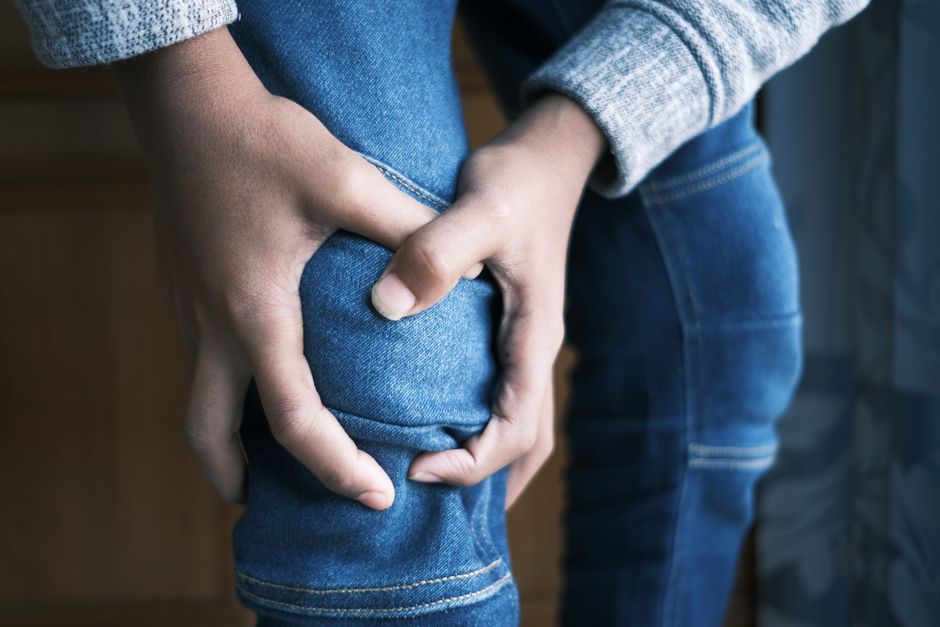
Frequently Asked Questions
Q: Why does my knee feel worse after sitting for a long time?
A: This pattern — stiffness or pain after prolonged sitting that eases once you move around — is a hallmark of irritation around the kneecap or the soft tissues surrounding it. The joint stiffens in a flexed position, and the first movement disturbs it. Most people find it settles within a minute or two of walking.
Q: Is it normal to hear clicking sounds alongside sharp pain at back of knee when fully bent?
A: Joint sounds are extremely common and usually harmless — they often come from gas bubbles in the joint fluid or tendons flicking over bony prominences. If the clicking is painless and your knee functions normally, it's generally nothing to worry about. If it's accompanied by pain or swelling, mention it to a healthcare professional.
Q: Is it safe to exercise with sharp pain at back of knee when fully bent?
A: Gentle, low-impact movement is often beneficial — walking, swimming, and cycling tend to be well-tolerated. Avoid anything that sharply increases the discomfort. A physiotherapist can help identify which exercises are right for your specific situation and severity.
One Thing to Try First
Most people who take early, sensible action recover well. Start with what you can manage today and monitor closely. If things are not improving after a few weeks, that is the right time to bring in professional support.
Helpful Next Step
As an Amazon Associate, we may earn from qualifying purchases. This does not affect the price you pay.
Helpful Support Option
If this type of knee discomfort shows up during daily movement, light support may help reduce strain on the joint while you work on the underlying cause.
See knee support options on AmazonHelpful Next Step
If gentle support helps during recovery, you can check a simple support option that many people use in daily life. There's a close connection between this and knee pain at back when bending — the same structures are usually involved.
This content is for educational purposes only and does not constitute medical advice. Always consult a qualified healthcare professional for diagnosis and treatment.