🦵 Not sure what's causing it? Take the 5-question knee quiz.
Find My Pattern →Setting up a Kitchen to Reduce Unnecessary Knee Strain
Cooking dinner used to be straightforward. Now you notice it differently—the moment you stand at the counter chopping vegetables, a dull ache settles into your knee. Or maybe it's the reaching into low cabinets, or standing in one spot too long while something simmers. The kitchen, a place you visit multiple times a day, has quietly become a source of strain. Small adjustments to how your kitchen is organized and how you move through it can make a real difference in how your knees feel by evening.
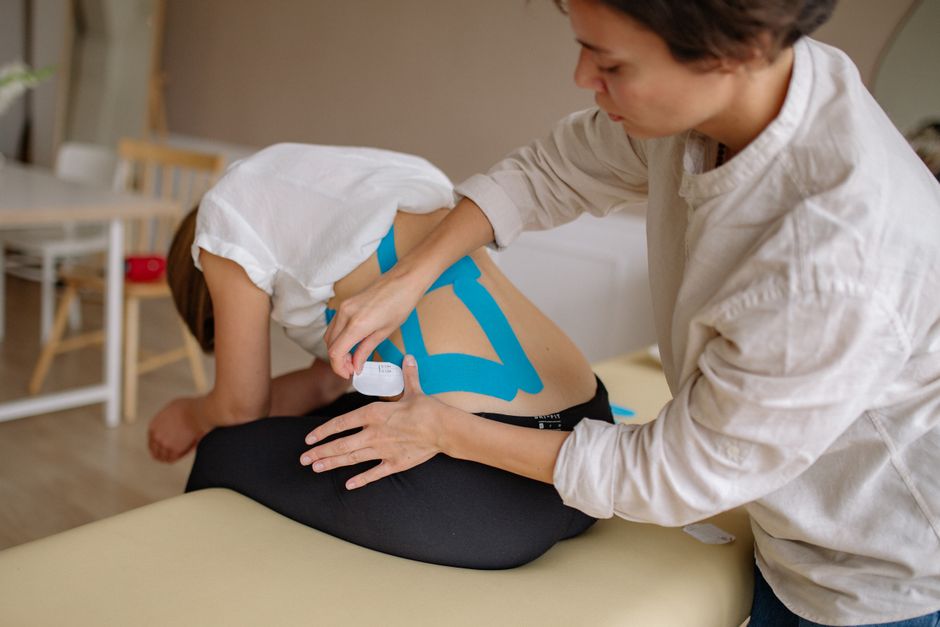
Why kitchen activities create knee stress
🦵 Not sure what's causing your knee pain?
Answer 5 quick questions and get a personalised result.
Find My Pattern → 60 seconds · No sign-upSeveral patterns tend to show up in kitchens. Standing in a fixed position—at the counter, in front of the stove, waiting for water to boil—puts sustained pressure through your knee joint without the relief that comes from movement or position changes. Your body naturally locks the knee slightly when standing still, which can create fatigue or discomfort over time.
Repetitive bending and reaching, especially to lower cabinets or the back of deep shelves, asks your knees to work harder than they might during normal daily activities. The squat-like motion of bending down repeatedly can accumulate strain, particularly if you're already managing knee sensitivity.
Uneven weight distribution while standing—leaning more heavily on one leg, or standing with your weight shifted forward onto your toes—changes how force moves through your knee. Many people stand this way naturally in the kitchen without noticing.
Reaching overhead or across your body can shift your balance and create compensatory tension through your legs and knees. The kitchen often requires this kind of awkward reaching because cabinets and shelves aren't always at comfortable heights.
Reorganizing for less strain
Start with the cabinets and shelves you use most often. Items you reach for daily—your coffee mug, cooking oils, everyday dishes—should sit between hip and eye height. This eliminates the need for frequent bending or reaching overhead. If you have a cabinet at that level, use it. If not, consider a small open shelf or a rolling cart at a comfortable height.
Lower cabinets become problematic quickly. Rather than storing daily-use items there, keep less-frequent things in low spaces. Bulky items you rarely need, backup supplies, or seasonal equipment can live lower. When you do need something from down there, squat rather than bend forward at the waist—this distributes the work differently through your legs and reduces stress on your knees.
A rolling kitchen cart or small table can become your prep station. Instead of always working at the main counter, you can position this cart at a height that feels comfortable and move it as needed. Some people find that working at slightly different heights throughout meal prep reduces the fatigue that comes from standing in one posture.
Keep frequently used small appliances—the toaster, blender, or coffee maker—at counter height rather than in cabinets. This saves you from reaching and retrieving them repeatedly. The same logic applies to cooking utensils. A utensil holder or magnetic strip at counter level beats rummaging through a drawer each time.
Arrange your workspace so you can minimize unnecessary steps. Group items you'll use together during one task in the same area. This reduces the back-and-forth walking that, while not intense, adds up when your knees are already sensitive.
Movement patterns that ease strain
How you move matters as much as where things are stored. When standing at the counter, shift your weight every few minutes. Move from one leg to the other, or step back slightly to change the angle. This small variation prevents the fatigue that comes from locked, static standing.
If you're chopping or doing repetitive counter work, sit down when possible. A tall kitchen stool lets you work at counter height without standing. Many people assume cooking requires standing, but prep work especially can happen seated.
When retrieving something from a low cabinet, squat with your knees bent rather than bending at the waist. Your legs do the work instead of your lower back and knees compensating. It feels less natural at first, but it distributes strain more evenly.
Take breaks during longer cooking sessions. Step away from the kitchen, sit for five minutes, or move to a different task. Your knees benefit from position changes, and you often notice less discomfort by evening if you've broken up the standing time.
When walking between appliances—the stove, sink, refrigerator—use normal steps rather than shuffling or taking small, careful steps. A normal stride often feels easier on the knee than the cautious gait people sometimes adopt when they're worried about pain.
What to avoid in the kitchen
Don't store your most-used items in the very back of deep cabinets. You'll find yourself reaching far forward, which shifts your weight and creates awkward angles through your legs. Front and middle shelves work better.
Avoid standing on one leg while cooking or waiting. It's tempting to rest one leg while the other bears weight, but this creates imbalance and uneven stress. Keep your weight distributed across both feet.
Don't ignore discomfort that builds during cooking. If you notice your knee starting to feel tighter or more achy, that's information. Stopping to sit, moving to a different task, or adjusting your position can prevent the pain from building further.
Stepping stools or ladders to reach high cabinets often create awkward positions for your knees. If you're reaching high frequently, that's a sign to reorganize so you don't need to do it.
When to talk to a professional
If kitchen activities consistently trigger pain that lasts hours afterward, or if the discomfort is sharp rather than a mild ache, a conversation with a physical therapist or doctor can help clarify what's happening. They can assess how you move and whether specific kitchen tasks are creating problems that need attention beyond reorganization.
If you've made these kitchen adjustments and pain persists or worsens, that's also worth discussing with a professional. Sometimes what feels like a kitchen-setup problem is actually pointing to something that benefits from hands-on assessment.
Safety note: If you have severe pain, significant swelling, a recent injury, fever, numbness, or difficulty bearing weight, speak with a qualified healthcare professional promptly.
What to notice going forward
After you reorganize, pay attention to which times of day your knee feels best and
Helpful Next Step
As an Amazon Associate, we may earn from qualifying purchases. This does not affect the price you pay.
Helpful Support Option
If this type of knee discomfort shows up during daily movement, light support may help reduce strain on the joint while you work on the underlying cause.
See knee support options on AmazonHelpful Next Step
If gentle support helps during recovery, you can check a simple support option that many people use in daily life.
This content is for educational purposes only and does not constitute medical advice. Always consult a qualified healthcare professional for diagnosis and treatment.