🦵 Not sure what's causing it? Take the 5-question knee quiz.
Find My Pattern →Lump on Outer Side of Knee With Aching Pain
A lump appears on the outside of your knee—sometimes overnight, sometimes so gradually you're not sure when it started. The ache that comes with it isn't sharp or dramatic. Instead, it's a dull, persistent throb that feels worse after you've been sitting with your leg bent for a while, or after a day of walking. When you press on the lump directly, it's tender, but the real pain seems to spread around it in a way that's hard to pin down exactly. You notice it more at night, when lying down forces you to shift positions constantly, searching for comfort that doesn't quite come. By morning, it's calmer—almost manageable—until the day's activities remind you it's still there.
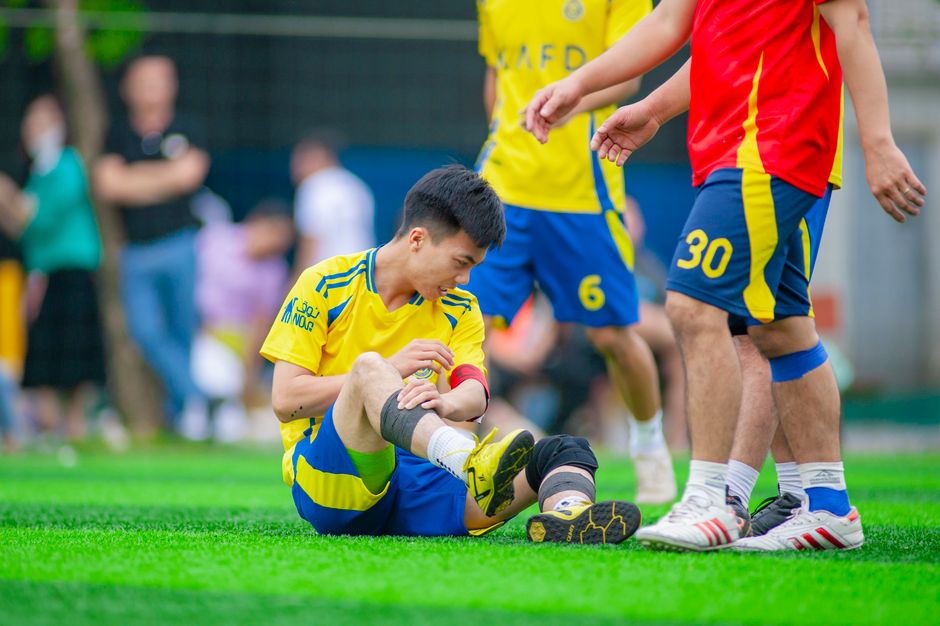
What's likely causing the lump and ache
🦵 Not sure what's causing your knee pain?
Answer 5 quick questions and get a personalised result.
Find My Pattern → 60 seconds · No sign-upSeveral conditions can create a visible lump on the outer knee paired with that dull, persistent ache. One common source is inflammation in one of the fluid-filled sacs (bursae) that cushion the knee joint. The bursa on the outer side can swell gradually from repetitive friction, pressure from sitting cross-legged, or from a direct knock you might not have thought much about at the time. The swelling creates the lump; the ache develops because the inflamed bursa irritates surrounding tissues.
Another possibility is a cyst—a fluid-filled pouch that can form near the knee joint. These often develop without obvious cause and may feel firm or slightly spongy depending on what's inside. They can ache simply from their size and how they sit against surrounding structures, especially when you bend or straighten your leg past certain angles. There's a close connection between this and aching knee at night with no obvious cause — the same structures are usually involved.
Thickening of the tissue on the outer knee from repetitive strain or overuse can also create a noticeable lump. This happens gradually as tissues respond to stress by building up protective layers. The ache in this case is often a fatigue-type pain that accumulates through the day and feels better after rest.
Less commonly, the lump could be related to scar tissue or calcification from an old injury you've mostly forgotten about. The body sometimes deposits calcium in soft tissues as a healing response, creating a firm bump that can ache, especially when pressure is applied or when weather changes. For useful context, knee pain from carrying bags on one side only tends to have the same mechanical roots and overlapping solutions.
Practical steps to try at home
Ice strategically, not just once. A single 15-minute ice session won't shift an ache that's been building for weeks. Instead, ice after activities that make the pain worse—after a day of walking, after sitting with legs bent, or in the evening when the ache tends to intensify. Ten to fifteen minutes, three or four times a day if possible, can gradually reduce inflammation. Wrap the ice in a thin cloth so it's not directly on skin.
Change how you sit. If the ache worsens after sitting with your knee bent, experiment with keeping your leg straighter or elevated on a cushion. Some people find that crossing their legs makes the outer knee ache worse within minutes; others notice the pain builds only after an hour or more of bent-knee sitting. Notice your own pattern. Straightening the leg or propping it up can take pressure off the lump and reduce that delayed ache that hits later.
Try gentle compression. A soft compression sleeve or wrap around the knee can reduce swelling and provide mild support without restricting movement. Unlike tight wrapping, gentle compression simply reminds the area to calm down. Wear it during the day if the lump feels puffy, or at night if that's when the ache bothers you most.
Move gently, don't rest completely. Walking often feels better than sitting still, even though the lump might ache. Gentle movement keeps fluid from pooling and can actually reduce that dull throb over time. High-impact activities—running, jumping, heavy lifting—may aggravate it, but easy walking or swimming (if the knee doesn't hurt in water) can help more than complete rest.
Pay attention to anti-inflammatory choices. Over-the-counter anti-inflammatory medications can help, but they work best when combined with the other steps above. Some people find that reducing inflammatory foods or increasing sleep helps the ache settle more than medication alone. This isn't a quick fix, but patterns often emerge over two to three weeks.
When to reach out for professional help
If the lump is growing noticeably larger, if the ache is spreading to other parts of your knee, or if you're developing difficulty with stairs or walking, a healthcare professional can examine it properly. Imaging—ultrasound or MRI—can clarify what the lump actually is, which helps guide the right next step. Sometimes what feels like a serious problem shows up as minor inflammation on imaging; other times, a small-looking lump needs specific treatment. Either way, knowing what you're dealing with removes the uncertainty that often makes the pain feel worse.
Safety note: If you have severe pain, significant swelling, a recent injury, fever, numbness, or difficulty bearing weight, speak with a qualified healthcare professional promptly.
Frequently Asked Questions
Q: When should I stop exercising because of lump on outer side of knee with aching pain?
A: Stop if the pain is sharp, climbing steadily during exercise, or causing you to change how you move. Mild, stable discomfort that stays at a 2 to 3 out of 10 is often acceptable to work through gently. Anything above that — or pain that simply feels wrong — is your cue to stop and reassess.
Q: Is it safe to exercise with lump on outer side of knee with aching pain?
A: Gentle, low-impact movement is often beneficial — walking, swimming, and cycling tend to be well-tolerated. Avoid anything that sharply increases the discomfort. A physiotherapist can help identify which exercises are right for your specific situation and severity.
Q: How long does lump on outer side of knee with aching pain usually last?
A: This varies a lot depending on the cause. Minor muscle strain or overuse tends to settle within a few days to two weeks with appropriate rest and gentle movement. If it hasn't improved after three weeks — or symptoms are worsening — that's a clear signal to get a professional opinion.
Where to Go From Here
Most people who take early, sensible action recover well. Start with what you can manage today and monitor closely. If things are not improving after a few weeks, that is the right time to bring in professional support.
Helpful Next Step
As an Amazon Associate, we may earn from qualifying purchases. This does not affect the price you pay.
Helpful Support Option
Cold therapy wraps can help manage inflammation and reduce discomfort after activity. They're a simple, low-effort addition to a broader self-management routine.
See cold therapy knee optionsHelpful Next Step
If gentle support helps during recovery, you can check a simple support option that many people use in daily life. It's worth knowing that knee pain when lying on side at night follows a very similar pattern and responds to the same kind of approach.
This content is for educational purposes only and does not constitute medical advice. Always consult a qualified healthcare professional for diagnosis and treatment.