🦵 Not sure what's causing it? Take the 5-question knee quiz.
Find My Pattern →Knee Swells up in Hot Weather After Walking
That moment around 3 or 4 in the afternoon—when your shoe starts feeling snug and your knee looks visibly puffy even though you only walked this morning—is frustrating in a way that doesn't quite match the actual pain level. The swelling seems disproportionate to what you did. Your knee isn't hot to the touch or throbbing. It just... expanded. By evening, the skin around your kneecap looks stretched and tight. You lie down with your leg elevated, and within 20 minutes there's real relief—not just comfort, but actual visible deflation. Then morning comes and your knee looks almost normal again, which makes you think maybe it's fine. But the cycle repeats the moment temperatures climb and you're active again.
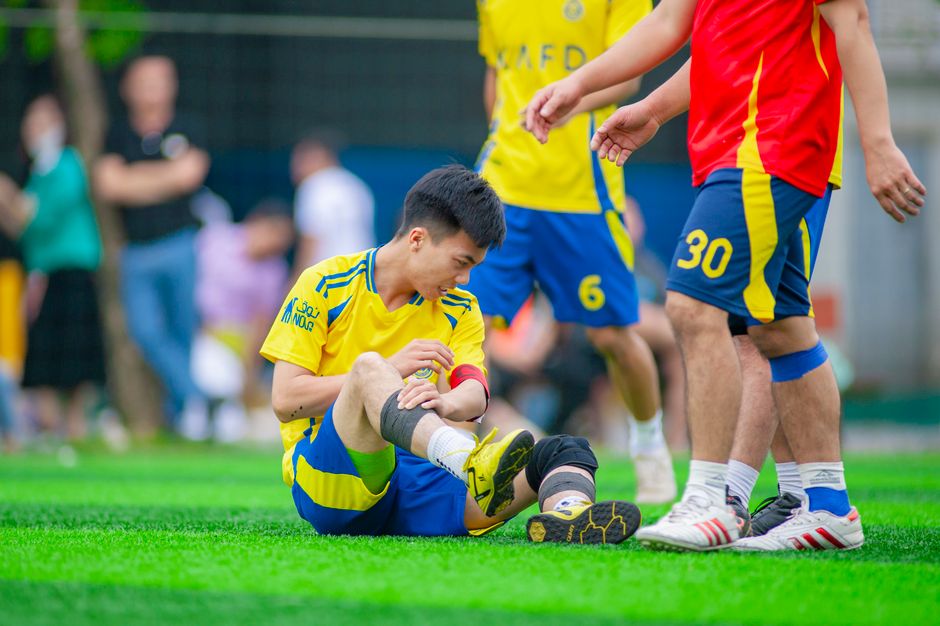
This pattern—delayed swelling that's worse in the evening than immediately after activity, that responds to elevation and time more than to ice, and that resets overnight—is different from acute injury swelling. Understanding that difference matters for knowing whether this is your body's normal heat response or something that needs attention.
Why your knee swells more in hot weather
🦵 Not sure what's causing your knee pain?
Answer 5 quick questions and get a personalised result.
Find My Pattern → 60 seconds · No sign-upHeat causes blood vessels to dilate. This is your body's cooling mechanism—it pushes blood toward the skin surface to release heat. Your knee joint, already working hard during a walk, is surrounded by tissues that are now more permeable to fluid. Fluid seeps from capillaries into the space around your joint, and gravity pulls it downward. This can happen even hours after you've stopped walking, which is why the worst swelling often comes in late afternoon or evening rather than immediately. People dealing with this frequently also notice knee gives way when walking, particularly after extended periods of inactivity.
The heat itself also reduces how efficiently your body moves fluid back out of the joint space. Normally, muscle contractions help pump fluid away from your knee. But if you're sitting down after your walk—which most people do—those muscles aren't working. The combination of dilated vessels, increased fluid leakage, and reduced muscle pumping creates a perfect setup for swelling that feels slow and creeping rather than sudden.
Dehydration can make this worse. Walking in heat pulls water from your bloodstream into sweat. If you're not drinking enough, your blood becomes more concentrated, which can actually increase fluid retention in tissues as your body tries to maintain balance. Your knee swells partly because your overall fluid distribution is off.
Some people also have mild variations in how their veins handle the transition from activity to rest in heat. If blood pools slightly in your lower leg before making its way back to your heart, that backed-up fluid has nowhere to go except into the tissues around your knee. This isn't venous insufficiency—it's just the normal struggle that heat creates for circulation.
Practical steps that can actually help
Start with elevation and time rather than rushing to ice. Lie flat on your back or a couch with your leg extended above heart level—not just propped on a pillow, but genuinely higher than your chest. Gravity works differently when you're horizontal. Stay there for at least 20 minutes. You'll likely see visible reduction. This works because you're removing the pressure of gravity and giving your venous system an easier path to move fluid back toward your heart.
Drink water consistently throughout the day, not just during or after walking. The goal isn't to chug a liter at once, but to stay ahead of dehydration. If you're walking in heat, drink before you feel thirsty. By the time thirst kicks in, you're already mildly dehydrated. A practical measure: drink enough that your urine stays light colored.
Wear compression socks or sleeves if you're willing to try them. They work by creating gentle outward pressure that helps prevent fluid from pooling in your lower leg and knee. The key is wearing them during and for a few hours after activity, not just when swelling is already present. They feel tight, which bothers some people, but they can genuinely reduce how much your knee swells. It's worth knowing that knee hurts when walking slowly but not quickly follows a very similar pattern and responds to the same kind of approach.
Cool your knee gently with a damp cloth rather than ice if you're not dealing with acute inflammation. Ice is designed to reduce inflammation from injury. Heat-triggered swelling isn't inflammatory in the same way, so ice's benefit is mostly the temporary vasoconstriction—the cooling effect that makes vessels tighten. A cool (not cold) cloth or a cool shower on your legs can achieve similar results without the numbing sensation.
Plan your walks for cooler parts of the day. Early morning or evening walks, when temperatures are lower, produce less swelling for the same distance. If morning walks are possible for you, try shifting your main activity there. You'll likely notice your knee stays noticeably smaller throughout the day.
When to reach out to a professional
Most heat-triggered swelling is your body's normal response and doesn't signal damage. But certain patterns warrant a conversation with a healthcare provider. If your swelling is getting progressively worse week to week despite these steps, if one knee swells dramatically more than the other, or if swelling appears even on cool days or when you haven't been active, those are signs something else might be happening.
Pain that increases as swelling increases—rather than staying the same or improving—can indicate inflammation that needs assessment. Skin that feels warm to the touch, redness, or any sign of infection also means you should check in with someone.
If you have difficulty bearing weight, significant swelling that doesn't improve with elevation after an hour, or any recent injury that might be masked by heat-related swelling, don't wait.
Safety note: If you have severe pain, significant swelling, a recent injury, fever, numbness, or difficulty bearing weight, speak with a qualified healthcare professional promptly.
Frequently Asked Questions
Q: Can stretching help with knee swells up in hot weather after walking?
A: Gentle stretching of the quadriceps, hamstrings, calves, and hip flexors can reduce the muscular tension that contributes to knee discomfort. A sustained, comfortable hold of 20 to 30 seconds is far more effective and safer than aggressive or bouncing stretches.
Q: Should I apply heat or ice to a painful knee?
A: Cold — ice wrapped in a cloth — works better for acute flare-ups, particularly in the first 24 to 48 hours when the area feels warm or inflamed. Gentle heat tends to be more helpful for muscle stiffness and chronic, recurring aches. Never apply either directly to bare skin.
Q: Is it normal to hear clicking sounds alongside knee swells up in hot weather after walking?
A: Joint sounds are extremely common and usually harmless — they often come from gas bubbles in the joint fluid or tendons flicking over bony prominences. If the clicking is painless and your knee functions normally, it's generally nothing to worry about. If it's accompanied by pain or swelling, mention it to a healthcare professional.
One Thing to Try First
Most people who take early, sensible action recover well. Start with what you can manage today and monitor closely. If things are not improving after a few weeks, that is the right time to bring in professional support.
Helpful Next Step
As an Amazon Associate, we may earn from qualifying purchases. This does not affect the price you pay.
Helpful Support Option
If this discomfort shows up during daily walking or standing, a compression sleeve may help reduce load on the joint during movement while the underlying cause is addressed.
See walking knee support optionsHelpful Next Step
If gentle support helps during recovery, you can check a simple support option that many people use in daily life. It's worth knowing that knee pain after hot yoga class follows a very similar pattern and responds to the same kind of approach.
This content is for educational purposes only and does not constitute medical advice. Always consult a qualified healthcare professional for diagnosis and treatment.