🦵 Not sure what's causing it? Take the 5-question knee quiz.
Find My Pattern →Knee Pressure Feeling After Walking Downhill
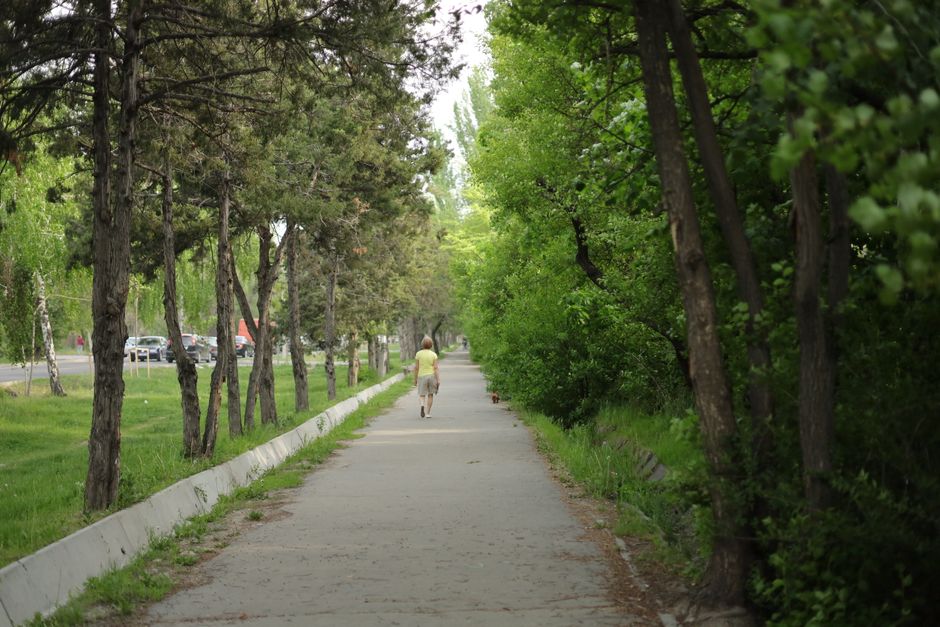
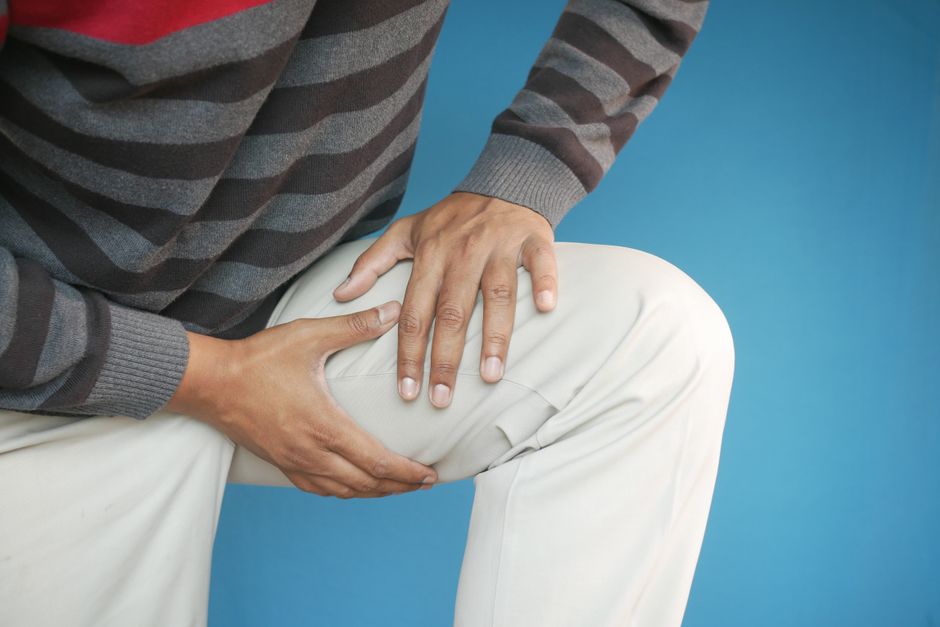
That heavy, pressing sensation that builds with each step down a slope—and then lingers for hours afterward—catches many people off guard. You might feel fine during the descent itself, managing each step carefully, only to notice the pressure intensifying once you reach flat ground. Or the opposite happens: the walk feels manageable in the moment, but two or three hours later, when you're sitting down, your knee stiffens up with a dull, trapped feeling that makes you wonder if you pushed too hard. The pressure isn't always sharp pain. It's more like something pressing against the inside or front of your knee, a sensation that can feel worse on some days than others, even when the route and your effort feel identical.
Why this pressure develops
🦵 Not sure what's causing your knee pain?
Answer 5 quick questions and get a personalised result.
Find My Pattern → 60 seconds · No sign-upWhen you walk downhill, your quadriceps muscle works constantly to control your descent—essentially braking your body weight with each step. This type of work, called eccentric loading, places sustained tension on the muscle and the structures around your knee. Unlike walking uphill or on flat ground, downhill movement forces your quad to lengthen while contracting, which can create a buildup of pressure and fatigue in the knee joint itself.
The angle of descent matters more than you might think. A gradual slope feels different from steep stairs, and both feel different from uneven terrain where your knee has to stabilize constantly. On uneven ground, your muscles work overtime to prevent the knee from rolling inward or outward, adding another layer of pressure that may not show up as pain but as a heavy, unstable sensation. For useful context, knee burning feeling after walking downhill tends to have the same mechanical roots and overlapping solutions.
Muscle fatigue also plays a role. If your quadriceps or the muscles around your hip are already tired from daily activity—sitting at a desk, climbing stairs at work—they have less capacity to stabilize your knee during descent. That fatigue accumulates, and by the time you're halfway down a hill, the pressure starts building noticeably.
Sometimes the pressure emerges because of how your foot lands. If your arch collapses slightly with each downhill step, or if your foot rolls inward more than usual, it changes the angle at which your knee bends. This small shift in alignment can create pressure that builds gradually rather than causing sharp pain, making it easy to dismiss until you're sitting later and the stiffness becomes obvious.
What you can try
Start by paying attention to the timing of when pressure appears. Does it build during the descent itself, or does it creep in once you're walking on flat ground? Does it worsen hours later when sitting? This observation helps you understand whether the issue is the downhill movement itself or how your knee recovers afterward. If pressure builds during descent, focus on slower, controlled steps and shorter distances. If it worsens later, you may need more recovery time between activities.
Strengthen your quadriceps in ways that mimic downhill control. Bodyweight squats, step-downs from a low step, or wall sits held for 20–30 seconds can build the endurance your quad needs to manage descent without fatigue. Start conservatively—two or three sessions a week—and increase gradually. The goal isn't intense workouts but consistent, gentle strengthening that builds capacity over weeks.
Before heading downhill, spend a few minutes walking on flat ground to warm up your muscles. Cold muscles tire faster and may create more pressure. After a downhill walk, ice your knee for 10–15 minutes if you notice swelling or persistent pressure. Some people find that icing hours after activity (when stiffness sets in) helps more than icing immediately. There's a close connection between this and knee pressure feeling after walking uphill — the same structures are usually involved.
Check your footwear. Shoes with worn-out cushioning or poor arch support force your foot to work harder on descent, which sends extra stress up to your knee. You don't need expensive hiking boots—just shoes where your arch feels supported and the heel isn't worn down unevenly.
Consider the terrain itself. If a particular route consistently creates pressure, try a different slope angle or surface. Grass or dirt often feels gentler on knees than pavement or rocky ground. Shorter, more frequent walks may reduce pressure better than occasional long hikes.
When to reach out to a professional
If pressure is manageable but you're worried about future activity, or if you find yourself avoiding walks you used to enjoy, that's worth discussing with a physical therapist or doctor. They can assess your movement patterns and muscle strength to identify what's driving the pressure.
Safety note: If you have severe pain, significant swelling, a recent injury, fever, numbness, or difficulty bearing weight, speak with a qualified healthcare professional promptly.
Frequently Asked Questions
Q: Can stretching help with knee pressure feeling after walking downhill?
A: Gentle stretching of the quadriceps, hamstrings, calves, and hip flexors can reduce the muscular tension that contributes to knee discomfort. A sustained, comfortable hold of 20 to 30 seconds is far more effective and safer than aggressive or bouncing stretches.
Q: Should I apply heat or ice to a painful knee?
A: Cold — ice wrapped in a cloth — works better for acute flare-ups, particularly in the first 24 to 48 hours when the area feels warm or inflamed. Gentle heat tends to be more helpful for muscle stiffness and chronic, recurring aches. Never apply either directly to bare skin.
Q: Is it safe to exercise with knee pressure feeling after walking downhill?
A: Gentle, low-impact movement is often beneficial — walking, swimming, and cycling tend to be well-tolerated. Avoid anything that sharply increases the discomfort. A physiotherapist can help identify which exercises are right for your specific situation and severity.
Where to Go From Here
Most people who take early, sensible action recover well. Start with what you can manage today and monitor closely. If things are not improving after a few weeks, that is the right time to bring in professional support.
Helpful Next Step
As an Amazon Associate, we may earn from qualifying purchases. This does not affect the price you pay.
Helpful Support Option
If this discomfort shows up during daily walking or standing, a compression sleeve may help reduce load on the joint during movement while the underlying cause is addressed.
See walking knee support optionsHelpful Next Step
If gentle support helps during recovery, you can check a simple support option that many people use in daily life. If you also experience dull ache behind knee after walking downhill, the two issues often share the same underlying cause.
This content is for educational purposes only and does not constitute medical advice. Always consult a qualified healthcare professional for diagnosis and treatment.