🦵 Not sure what's causing it? Take the 5-question knee quiz.
Find My Pattern →Knee Pain With Osteoarthritis Flare Up
It starts without warning. You wake up and the knee feels heavier than usual—not acutely painful, just stiff and reluctant. You move around the kitchen and it loosens a little. By mid-afternoon, after a normal day of walking or standing, a dull throb settles in. Then evening arrives and the ache deepens into something that makes sitting uncomfortable and lying down worse. The swelling creeps in quietly, making the knee feel puffy and tight, and you realize bending it fully becomes harder. This is an osteoarthritis flare-up—not a sudden injury, but a shift in how your joint behaves that can last days or weeks and leaves you questioning whether it's safe to commit to plans you made weeks ago.
What's Actually Happening During a Flare
🦵 Not sure what's causing your knee pain?
Answer 5 quick questions and get a personalised result.
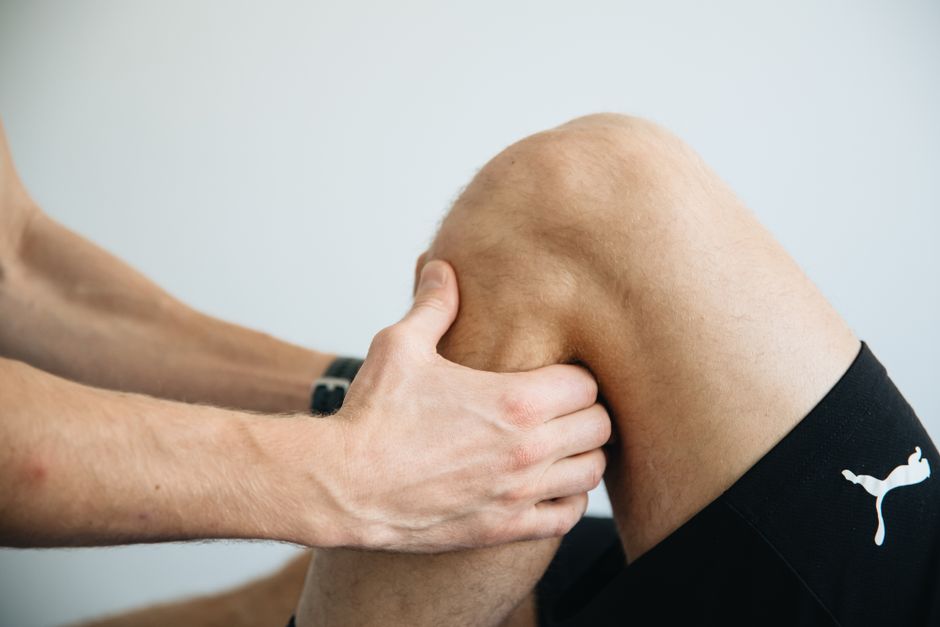
Find My Pattern → 60 seconds · No sign-upOsteoarthritis flare-ups occur when the protective cartilage in your knee has already worn down, and the joint responds to activity, weather changes, or inflammation with increased pain and swelling. Several things can trigger or worsen a flare, though the exact cause varies from person to person.
Overactivity is a common culprit—but here's the tricky part: "overactivity" doesn't always mean running a marathon. It can mean you had a more active day than usual, or you did something your knee used to handle easily. The delayed response is part of what makes flare-ups so frustrating. You feel fine all day and then that night, or the next morning, the pain intensifies. Your joint may have been irritated by the activity, and inflammation builds over hours.
Weather changes, particularly drops in barometric pressure, can also trigger flare-ups in people with osteoarthritis. The exact mechanism isn't fully understood, but many people notice their knee pain worsens before rain or during cold snaps. This unpredictability can feel especially unfair because it's completely outside your control.
Inflammatory responses in the joint itself play a role too. Even without new injury, the lining of an arthritic joint can become inflamed, causing the swelling and warmth you feel. This inflammation often peaks in the evening and early morning, which is why you might notice the worst stiffness when you first wake up or after sitting for an hour.
Stress and poor sleep can amplify flare-ups as well. When you're anxious about your knee or lying awake because of pain, your body's inflammatory response can increase, making the flare last longer or feel more intense.
How to Manage a Flare When It Arrives
When you're in the middle of a flare, the goal is to reduce inflammation and protect the joint while it settles.
Ice can ease the swelling and numb the sharp sensations. Apply ice wrapped in a thin cloth to your knee for 15–20 minutes, then remove it for at least that long before reapplying. The key is consistency—doing this several times throughout the day, especially in the evening when swelling tends to peak, often helps more than a single application. Some people find ice most useful right after activity, while others notice relief works better a few hours later once inflammation has built up.
Movement, done carefully, often helps more than complete rest. This sounds counterintuitive when you're in pain, but gentle, low-impact movement—like slow walking or easy range-of-motion exercises—can prevent stiffness from worsening. The trick is finding the difference between "helpful movement" and "activity that will make the flare worse." If something causes sharp pain or significant swelling within a few hours, it's too much.
Adjust your activity level, but don't disappear. This is where the psychological toll becomes real. During a flare, you may need to decline social plans or modify how you spend your day. The grief of that—watching yourself say no to things you used to do without thinking—is legitimate. But complete inactivity often makes flare-ups last longer. Instead, find what you can do: shorter walks, sitting activities, swimming if you have access. The goal is staying somewhat active without pushing the joint.
Heat can help stiffness, ice helps swelling. If your knee feels stiff and tight but not acutely swollen, a warm compress or warm shower may ease the discomfort. If it's puffy and warm to the touch, ice is usually the better choice. Many people use heat in the morning for stiffness, then switch to ice in the evening when swelling peaks.
Sleep disruption compounds everything. Flare-ups often interrupt your sleep—the pain makes it hard to find a comfortable position, and the fatigue from poor sleep makes the pain feel worse. Elevating your knee with a pillow while lying down, using extra pillows to support your leg, and taking pain relief before bed (if appropriate for you) can help. The better you sleep during a flare, the faster it often resolves.
When Professional Support Becomes Necessary
If a flare lasts more than a week or two despite your efforts to manage it, or if it's significantly worse than previous flare-ups, it's worth checking in with your healthcare provider. They can assess whether the flare needs different management or whether something else is contributing.
Safety note: If you have severe pain, significant swelling, a recent injury, fever, numbness, or difficulty bearing weight, speak with a qualified healthcare professional promptly.
Frequently Asked Questions
Q: Should I apply heat or ice to a painful knee?
A: Cold — ice wrapped in a cloth — works better for acute flare-ups, particularly in the first 24 to 48 hours when the area feels warm or inflamed. Gentle heat tends to be more helpful for muscle stiffness and chronic, recurring aches. Never apply either directly to bare skin.
Q: Can I still walk normally when I have knee pain with osteoarthritis flare up?
A: Many people manage normal walking despite this kind of discomfort. If walking causes you to limp or noticeably change your gait, though, that's worth addressing — compensating patterns often create new problems in the hips, lower back, or opposite knee over time.
Q: How long does knee pain with osteoarthritis flare up usually last?
A: This varies a lot depending on the cause. Minor muscle strain or overuse tends to settle within a few days to two weeks with appropriate rest and gentle movement. If it hasn't improved after three weeks — or symptoms are worsening — that's a clear signal to get a professional opinion.
A Simple Next Step
Most people who take early, sensible action recover well. Start with what you can manage today and monitor closely. If things are not improving after a few weeks, that is the right time to bring in professional support.
Helpful Next Step
As an Amazon Associate, we may earn from qualifying purchases. This does not affect the price you pay.
Helpful Support Option
If this type of knee discomfort shows up during daily movement, light support may help reduce strain on the joint while you work on the underlying cause.
See knee support options on AmazonHelpful Next Step
If gentle support helps during recovery, you can check a simple support option that many people use in daily life.
This content is for educational purposes only and does not constitute medical advice. Always consult a qualified healthcare professional for diagnosis and treatment.