🦵 Not sure what's causing it? Take the 5-question knee quiz.
Find My Pattern →Knee Pain When Walking in New Shoes
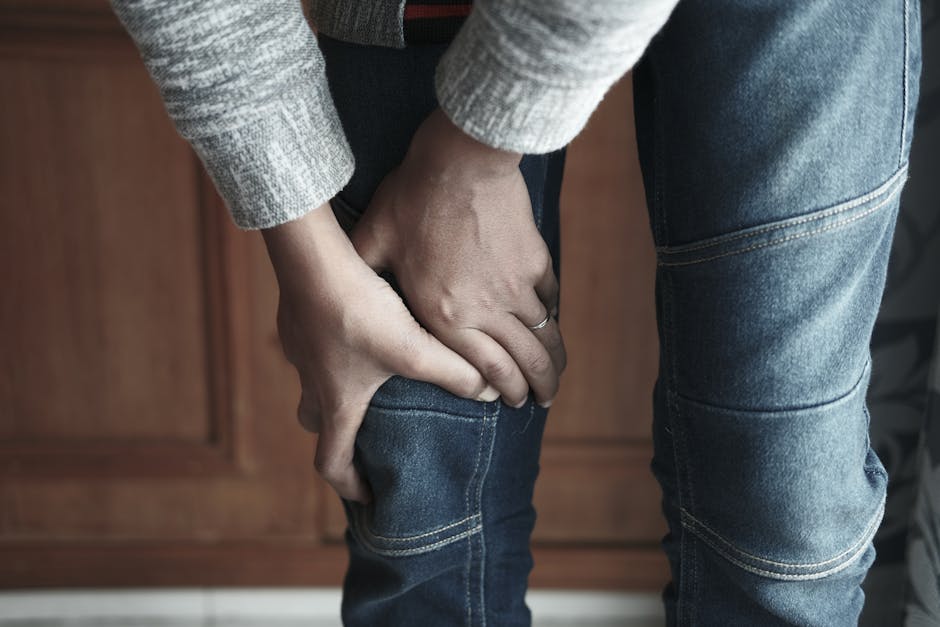
You buy shoes you love. They look right, they feel promising in the store, and for the first hour of wearing them, you almost forget they're new. Then somewhere between mile one and mile two, a dull ache starts building on the inside of your knee. By evening, when you finally take them off, the pain sharpens into something that makes you wonder if you've made a mistake. The shoes still look great on the shelf. But now you're dreading putting them back on tomorrow.

This specific pain—arriving not immediately but after a window of false optimism—is common when your body meets unfamiliar footwear. It's worth understanding what's actually happening and when it's just adjustment versus when something needs attention. This pattern is related to knee gives way when walking, and the same management principles often apply.
Why new shoes create knee pain
🦵 Not sure what's causing your knee pain?
Answer 5 quick questions and get a personalised result.
Find My Pattern → 60 seconds · No sign-upNew shoes force your feet and legs to work differently than your old ones did, and your knee often bears the consequence of that shift.
Gait changes from unfamiliar shoe structure. Every shoe has a different heel height, arch support, and sole stiffness. When you put on shoes with a higher heel than you're used to, your calf muscles shorten slightly and your shin muscles work harder. This changes how your foot strikes the ground and how forces travel up through your knee. The same happens with shoes that have more or less arch support than your previous pair. Your body doesn't adapt to these changes instantly. In the first few days, your muscles are essentially learning a new movement pattern, and your knee—which depends on stable muscles around it—can ache as those muscles fatigue.
Shoe material stiffness. Leather shoes and synthetic materials break in at different rates. Stiff leather or rigid synthetic uppers don't flex where your foot naturally wants to flex. This creates pressure points and forces compensation. Your foot might roll inward or outward slightly more than it should, and that misalignment travels up to your knee. The pain often doesn't start immediately because it takes a mile or two of walking before the repetitive friction and altered mechanics accumulate enough to trigger discomfort.
Swelling and pressure changes throughout the day. Your feet swell as the day goes on—sometimes by half a shoe size or more. New shoes that fit snugly in the morning can become progressively tighter, creating pressure across the top of your foot and changing how your foot sits inside the shoe. This shifting position alters your knee's alignment with each step. You might notice the pain worsens noticeably after lunch or by late afternoon, even though you've been walking the same way all day.
Heel counter and ankle stability. The back of a new shoe is often firmer and more structured than what your feet are accustomed to. If the heel counter (the cup that wraps around your heel) is too rigid or sits at a different angle, it can affect ankle stability. An ankle that's less stable requires your knee to work harder to maintain balance during walking, creating that dull, building ache that feels less like sharp pain and more like fatigue.
What you can try
Wear them in shorter windows, not all day. The instinct is often to push through and "break them in," but that usually backfires. Instead, wear new shoes for 30 to 45 minutes, then switch back to your old pair. This gives your muscles and joints time to adapt without overwhelming them. The pain should decrease noticeably over several days when you follow this approach. If it's getting worse instead of better after a week of gradual wear, that's a signal to stop.
Pay attention to where the pain lives. Knee pain from new shoes often feels like a dull ache on the inside of the knee (medial side) or a sensation of instability rather than sharp, localized pain. It typically appears after you've been walking for a while, not in the first five minutes. If the pain is immediate, severe, or sharp, or if it's concentrated in one specific spot, that's different and warrants caution.
Check the heel-to-toe drop. The difference in height between the heel and the ball of your foot matters more than most people realize. If your new shoes have a significantly higher or lower drop than your old ones, your calf and shin muscles are working at a different length. You can't change the shoe's drop, but knowing this is the cause can help you understand why you're achy and that it may improve as your muscles adapt. If the drop feels extreme, the shoes might not be the right choice for your body.
Use a cushioned insole or gel insert. A removable insole can change how your foot sits inside the shoe and how forces distribute through your foot and up your leg. Gel inserts for the heel or arch can reduce the shock traveling to your knee. This is different from the shoe's original insole—you're adding a layer that might absorb some of the impact your knee is feeling.
Stretch your calves and the front of your shins. New shoes that change your gait often tighten these muscles. Tight calves pull on your ankle and can alter knee alignment. Spend two minutes morning and evening gently stretching both. This won't fix the shoe, but it can reduce some of the muscle fatigue that's contributing to your knee ache.
When to reach out to a professional
Most knee pain from new shoes settles within a week or two of gradual wear. But some situations need professional attention sooner. For useful context, knee hurts when walking slowly but not quickly tends to have the same mechanical roots and overlapping solutions.
If the pain is sharp and localized to one spot, if your knee swells noticeably, if you can't put weight on it comfortably, or if the pain is getting worse instead of better after five to seven days of gradual wear, talk to a doctor or physical therapist. The same goes if you feel instability (like your knee might give out), if there's warmth or redness around the knee, or if pain in your knee is accompanied by pain in your hip or lower back that wasn't there before.
Safety note: If you have severe pain, significant swelling, a recent injury, fever, numbness, or difficulty bearing weight, speak with a qualified healthcare professional promptly.
Frequently Asked Questions
Q: Can stretching help with knee pain when walking in new shoes?
A: Gentle stretching of the quadriceps, hamstrings, calves, and hip flexors can reduce the muscular tension that contributes to knee discomfort. A sustained, comfortable hold of 20 to 30 seconds is far more effective and safer than aggressive or bouncing stretches.
Q: Can I still walk normally when I have knee pain when walking in new shoes?
A: Many people manage normal walking despite this kind of discomfort. If walking causes you to limp or noticeably change your gait, though, that's worth addressing — compensating patterns often create new problems in the hips, lower back, or opposite knee over time.
Q: How long does knee pain when walking in new shoes usually last?
A: This varies a lot depending on the cause. Minor muscle strain or overuse tends to settle within a few days to two weeks with appropriate rest and gentle movement. If it hasn't improved after three weeks — or symptoms are worsening — that's a clear signal to get a professional opinion.
What To Do Tomorrow Morning
Most people who take early, sensible action recover well. Start with what you can manage today and monitor closely. If things are not improving after a few weeks, that is the right time to bring in professional support.
Helpful Next Step
As an Amazon Associate, we may earn from qualifying purchases. This does not affect the price you pay.
Helpful Support Option
If this discomfort shows up during daily walking or standing, a compression sleeve may help reduce load on the joint during movement while the underlying cause is addressed.
See walking knee support optionsHelpful Next Step
If gentle support helps during recovery, you can check a simple support option that many people use in daily life. People dealing with this frequently also notice knee pain after walking barefoot on hard floor, particularly after extended periods of inactivity.
This content is for educational purposes only and does not constitute medical advice. Always consult a qualified healthcare professional for diagnosis and treatment.