🦵 Not sure what's causing it? Take the 5-question knee quiz.
Find My Pattern →Knee Pain When Straightening After Walking Uphill
What you're actually experiencing
🦵 Not sure what's causing your knee pain?
Answer 5 quick questions and get a personalised result.
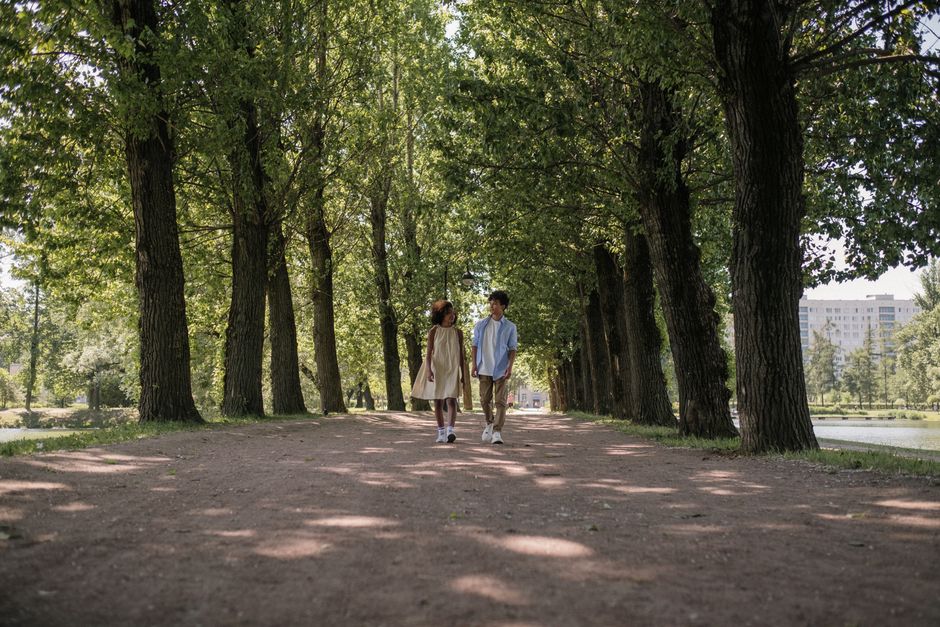
Find My Pattern → 60 seconds · No sign-upYour legs feel strong climbing the hill. Your breathing is hard, your quads are working, but the knee itself feels fine—almost normal. Then you reach the top, start walking downhill or onto flat ground, and something shifts. The moment you try to straighten your leg fully, there's a catch. Maybe it's sharp. Maybe it's a dull resistance, like your knee doesn't want to lock into place. Hours later, after you've sat down for a while, the stiffness creeps in. What felt manageable during the walk now feels tight and sore. The frustration is real: you managed the uphill just fine, but now your own leg feels like it's working against you.
This pain pattern—fine during activity, stiff afterward, worst when straightening—tells you something specific is happening in your knee. It's not always the same thing for everyone, and that's why understanding your particular version matters. There's a close connection between this and knee burning feeling after walking uphill — the same structures are usually involved.
Why this happens after uphill walking
Uphill walking is deceptively demanding on your knee. Your quadriceps (the muscle on the front of your thigh) works hard to propel you up, but it's working in a shortened position—your knee stays bent most of the time. When you finish climbing and try to straighten your leg fully, your knee is asking for a different kind of work: full extension under load, sometimes while your muscles are already fatigued.
Muscle fatigue and delayed tightness. Your quads and the muscles around your knee may become tight during the uphill effort, but you don't feel it until you stop moving. Static sitting afterward allows that tightness to settle in. The muscle doesn't relax fully; instead, it stays slightly contracted, and when you try to straighten your knee, you feel resistance or a dull ache. This often peaks a few hours later or the next morning, not immediately.
Patellar tracking issues. Your kneecap sits in a groove in your thighbone and slides up and down as you bend and straighten. Uphill walking can pull your kneecap slightly out of its normal path, especially if your inner thigh muscles (vastus medialis) are weaker than your outer thigh muscles. When you try to straighten your leg fully, the kneecap may not glide smoothly, creating that catch or resistance you feel.
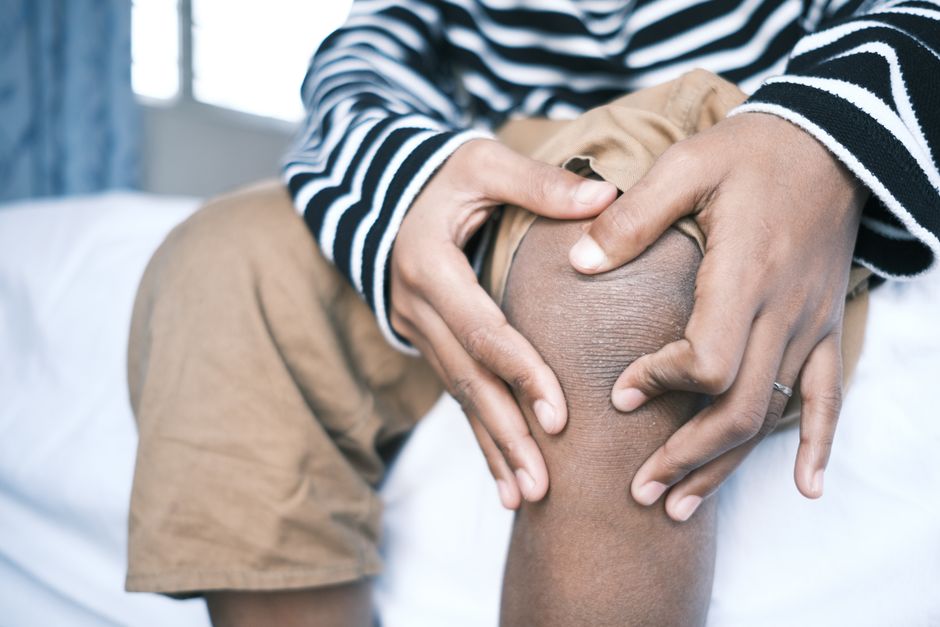
Inflammation in the joint. Walking uphill creates repetitive compression in your knee joint. The cartilage and tissues inside can become irritated. Unlike a sharp injury, this inflammation often builds gradually during the walk and becomes noticeable when you're no longer moving—when you sit still, fluid pools in the joint, and stiffness increases.
Overuse without adequate recovery. If you've increased your hill walking recently, or if you're doing this activity more often than your knee is conditioned for, the tissues simply haven't adapted yet. The pain you feel when straightening may be your knee telling you it needs more recovery time between efforts.
What to try carefully
Change how you descend. The downhill portion after climbing is often where the real stress happens. Instead of striding down with straight legs, take smaller steps and keep your knees slightly bent as you walk down. This reduces the force through your knee joint. Many people find that controlling the descent prevents the stiffness that comes hours later.
Apply heat before stretching, cold after activity. This matters more than generic advice suggests. After you finish walking, use ice or a cold pack for 10–15 minutes while your knee is still warm from activity. This can help calm inflammation. Later, when stiffness sets in, gentle heat (a warm shower, heating pad) can help your muscles relax before you try to stretch. Never stretch a cold, tight muscle—it often makes stiffness worse.
Stretch your quads and hamstrings, but timing is key. Don't stretch immediately after the walk when your muscles are fatigued and tight. Wait an hour or two, apply heat first, then stretch gently. Hold each stretch for 20–30 seconds without bouncing. The goal isn't to force your knee straight; it's to help your muscles relax so they stop resisting the straightening motion.
Strengthen your inner thigh muscles deliberately. Sit on the floor with your legs extended. Place a small pillow or rolled towel under one knee. Tighten the muscle on the inside of your thigh (above the knee) and straighten your leg fully, pressing the back of your knee into the towel. Hold for 3 seconds, relax, repeat 10 times per leg. Do this 3–4 times a week. This targets the vastus medialis, which helps your kneecap track properly when you straighten your leg.
Reduce hill frequency while you build tolerance. If you're walking uphill multiple times a week, your knee may simply need more recovery days. Try spacing out your hill walks to every other day or even twice a week, and fill other days with flat walking or other low-impact movement. This isn't giving up—it's giving your knee time to adapt.
When to see a professional
If your pain is sharp and catches your knee in a locked position, or if you can't straighten your leg without significant discomfort, a physical therapist or doctor can assess whether something specific (like patellar tracking problems or inflammation) needs targeted treatment. Similarly, if the stiffness and pain are getting worse despite these changes, or if they're now affecting your daily activities—like walking down stairs or getting out of a chair—professional guidance will help you avoid compensation patterns that can lead to pain elsewhere. It's worth knowing that knee clicking with pain after walking uphill follows a very similar pattern and responds to the same kind of approach.
Pain that appears suddenly after a specific walk (especially if you felt a pop or twist) also warrants professional evaluation.
Safety note: If you have severe pain, significant swelling, a recent injury, fever, numbness, or difficulty bearing weight, speak with a qualified healthcare professional promptly.
Frequently Asked Questions
Q: How long does knee pain when straightening after walking uphill usually last?
A: This varies a lot depending on the cause. Minor muscle strain or overuse tends to settle within a few days to two weeks with appropriate rest and gentle movement. If it hasn't improved after three weeks — or symptoms are worsening — that's a clear signal to get a professional opinion.
Q: Should I use a knee brace or compression sleeve for knee pain when straightening after walking uphill?
A: A basic compression sleeve can offer comfort and mild support during activity, and many people find it helpful in the short term. Don't rely on it long-term without also addressing the root cause — whether that's strength, flexibility, or movement patterns.
Q: Is it normal to hear clicking sounds alongside knee pain when straightening after walking uphill?
A: Joint sounds are extremely common and usually harmless — they often come from gas bubbles in the joint fluid or tendons flicking over bony prominences. If the clicking is painless and your knee functions normally, it's generally nothing to worry about. If it's accompanied by pain or swelling, mention it to a healthcare professional.
Where to Go From Here
Most people who take early, sensible action recover well. Start with what you can manage today and monitor closely. If things are not improving after a few weeks, that is the right time to bring in professional support.
Helpful Next Step
As an Amazon Associate, we may earn from qualifying purchases. This does not affect the price you pay.
Helpful Support Option
If this discomfort shows up during daily walking or standing, a compression sleeve may help reduce load on the joint during movement while the underlying cause is addressed.
See walking knee support optionsHelpful Next Step
If gentle support helps during recovery, you can check a simple support option that many people use in daily life. This pattern is related to knee feels swollen after walking uphill, and the same management principles often apply.
This content is for educational purposes only and does not constitute medical advice. Always consult a qualified healthcare professional for diagnosis and treatment.