🦵 Not sure what's causing it? Take the 5-question knee quiz.
Find My Pattern →Knee Pain When Doing Walking Lunges
You step forward into a lunge, your form feels right, and then somewhere in the middle of the movement—usually as you're pushing back up to standing—a sharp pinch catches the inside of your knee. Or maybe it's different: the pain doesn't hit until you're halfway through your set, building into a dull ache that lingers for hours after you've stopped. Either way, it's frustrating because the lunge itself looks correct, your technique feels controlled, and yet your knee is sending a clear signal that something isn't working.
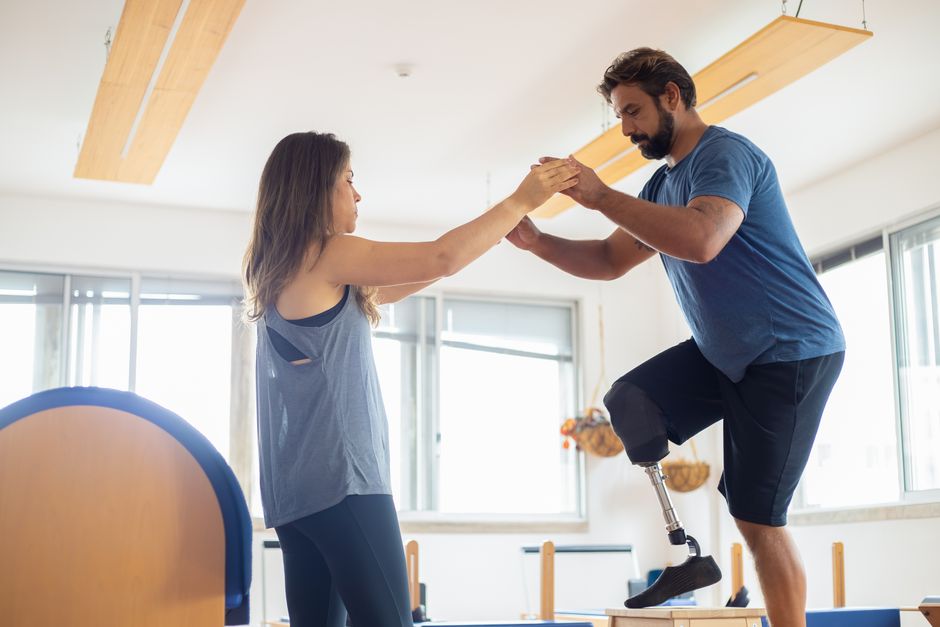
Walking lunges put your knee in a vulnerable position. Unlike a stationary lunge where your body stays centered, walking lunges demand that your weight shift forward, your back knee lowers toward the ground, and then you drive through your front leg to step forward again. Each phase of this movement loads your knee differently, and when something in your body isn't quite balanced or strong enough, your knee bears the cost. For useful context, knee pain doing lunges tends to have the same mechanical roots and overlapping solutions.
What's likely happening in your knee
🦵 Not sure what's causing your knee pain?
Answer 5 quick questions and get a personalised result.
Find My Pattern → 60 seconds · No sign-upThe pain you feel during walking lunges often comes from one of several patterns, and identifying which one yours resembles can help you address it more effectively.
Your front knee is tracking inward. As you step forward and bend your front knee, that knee may drift toward your body's midline rather than staying stacked over your ankle. This inward collapse—sometimes called valgus collapse—shifts stress onto the inner structures of your knee, particularly the cartilage and ligaments on the medial side. You might feel this as a sharp pinch on the inside of your knee, especially during the descent or the push-off phase.
Your glutes and hips aren't controlling the movement. Your glutes are supposed to stabilize your hips and control how your leg moves through space. When they're weak or not fully engaged, your knee has to compensate. This often shows up as pain that builds gradually through a set—not sharp at rep one, but increasingly uncomfortable by reps 8-12—suggesting that your muscles are fatiguing and your mechanics are breaking down under load.
Your quadriceps and supporting muscles aren't balanced. Walking lunges demand strength not just from your quads but from the muscles around your knee that stabilize it. If your quads are tight or overactive while the muscles on the outer side of your thigh (your vastus lateralis and hip abductors) are underdeveloped, your knee tracking suffers. Pain may appear as a dull, throbbing sensation that worsens the day after lunges rather than during them, suggesting inflammation from repetitive stress.
Your ankle or hip mobility is limited. If your ankles don't bend easily or your hips don't rotate and extend well, your front knee has to compensate by bending more sharply or shifting inward. This puts extra pressure on the joint itself. You might notice pain that feels more like instability or a sense that your knee is "catching" rather than a clean sharp or dull sensation.
What you can try carefully
Start by examining the moment your pain appears. Does it hit as you're lowering down, as you're pushing back up, or somewhere in between? Sharp catching pain often signals a tracking issue, while dull aching that builds through a set points more toward fatigue and muscle engagement. There's a close connection between this and knee gives way when walking — the same structures are usually involved.
Reduce your range of motion temporarily. Instead of stepping forward into a deep lunge where your back knee nearly touches the ground, take a shallower step. Lower your back knee only halfway down. This reduces the angle at your front knee and takes pressure off the joint while you rebuild strength and confidence. You can gradually increase depth as pain subsides.
Cue your glutes actively. Before you step, squeeze your glutes. As you lunge forward, think about driving through your front heel and using your glute to push yourself back to standing rather than relying on your quad to do all the work. Many people feel immediate relief when they shift their mental focus from "push with your thigh" to "push with your butt." This small shift often corrects inward knee drift without you having to think about it directly.
Check your shoe and floor surface. Walking lunges on a hard floor with minimal cushioning or in shoes with poor lateral support can amplify knee stress. If you've recently switched shoes or started lunging on a new surface, that timing matters. Try the same movement on a padded surface or in shoes with better support and notice whether the pain changes. This tells you whether your environment is contributing.
Apply ice after, not before. If pain appears during or after lunges, ice for 15 minutes once you're done moving. Swelling that appears the next day suggests inflammation, and icing can help manage it. Avoid icing before exercise, which can numb your body's protective signals.
Space out your lunge sessions. If you're doing walking lunges multiple days in a row, try moving them to every other day. Pain that worsens the day after lunges rather than during them is often inflammation talking. Giving your knee recovery time between sessions can make a significant difference.
When to reach out to a professional
Stop doing walking lunges and contact a healthcare provider if your pain is severe, if you hear a loud pop or crack, if your knee swells significantly, or if the pain doesn't improve after a week of modified activity. Pain that comes with a sensation of your knee giving way or buckling also warrants professional evaluation.
Safety note: If you have severe pain, significant swelling, a recent injury, fever, numbness, or difficulty bearing weight, speak with a qualified healthcare professional promptly.
Frequently Asked Questions
Q: How long does knee pain when doing walking lunges usually last?
A: This varies a lot depending on the cause. Minor muscle strain or overuse tends to settle within a few days to two weeks with appropriate rest and gentle movement. If it hasn't improved after three weeks — or symptoms are worsening — that's a clear signal to get a professional opinion.
Q: Should I apply heat or ice to a painful knee?
A: Cold — ice wrapped in a cloth — works better for acute flare-ups, particularly in the first 24 to 48 hours when the area feels warm or inflamed. Gentle heat tends to be more helpful for muscle stiffness and chronic, recurring aches. Never apply either directly to bare skin.
Q: Is it safe to exercise with knee pain when doing walking lunges?
A: Gentle, low-impact movement is often beneficial — walking, swimming, and cycling tend to be well-tolerated. Avoid anything that sharply increases the discomfort. A physiotherapist can help identify which exercises are right for your specific situation and severity.
A Simple Next Step
Most people who take early, sensible action recover well. Start with what you can manage today and monitor closely. If things are not improving after a few weeks, that is the right time to bring in professional support.
Helpful Next Step
As an Amazon Associate, we may earn from qualifying purchases. This does not affect the price you pay.
Helpful Support Option
If this discomfort shows up during daily walking or standing, a compression sleeve may help reduce load on the joint during movement while the underlying cause is addressed.
See walking knee support optionsHelpful Next Step
If gentle support helps during recovery, you can check a simple support option that many people use in daily life. For useful context, knee hurts when walking slowly but not quickly tends to have the same mechanical roots and overlapping solutions.
This content is for educational purposes only and does not constitute medical advice. Always consult a qualified healthcare professional for diagnosis and treatment.