🦵 Not sure what's causing it? Take the 5-question knee quiz.
Find My Pattern →Knee Pain When Bending After Walking Uphill
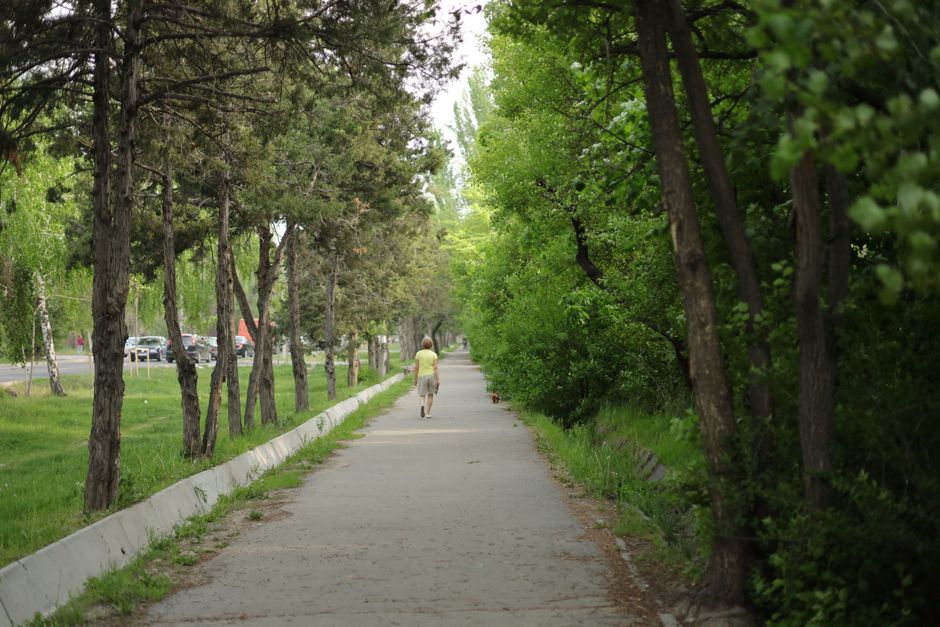
You make it up the hill fine. Your legs burn a little, you're breathing harder, but the knee feels stable. Then you sit down at the top to rest, and when you try to stand up ten minutes later—or worse, hours later when you're home on the couch—lowering back down into a chair or bending to pick something up sends a sharp twinge through the front or side of your knee. The pain wasn't there during the climb itself. It arrived after, like a delayed consequence of what your knee had to do on that incline.
This pattern is frustrating because it breaks the logic of pain. You weren't in agony during the hard part. The punishment comes later, when you're trying to do something ordinary. Understanding why this happens can help you manage it and figure out whether this is something your knee needs time to adapt to or a sign you need professional guidance.
Why uphill walking sets your knee up for bending pain
🦵 Not sure what's causing your knee pain?
Answer 5 quick questions and get a personalised result.
Find My Pattern → 60 seconds · No sign-upWalking uphill demands something specific from your knee that flat or downhill walking doesn't. Your quadriceps—the large muscle on the front of your thigh—has to work much harder to drive your body weight up the slope. This sustained, intense contraction fatigues the muscle differently than regular walking does. When a muscle is tired, it loses some ability to stabilize the joint it supports. Your knee relies on that muscular support to track smoothly when you bend and straighten. If you also experience knee burning feeling after walking uphill, the two issues often share the same underlying cause.
The angle of an incline also changes how force travels through your knee joint. On a slope, your body weight doesn't press straight down through your knee—it's angled, shifted slightly forward. This can increase pressure on the structures under your kneecap, particularly the cartilage surface. After prolonged effort at that angle, the tissues under and around your kneecap may become irritated. When you then bend your knee—a movement that compresses those same tissues—you feel it.
Delayed pain is also common because inflammation doesn't always announce itself immediately. Your knee may have micro-irritation during the hike that doesn't hurt enough to notice while adrenaline and focus are high. Once you sit down and relax, blood flow shifts, swelling can increase slightly, and suddenly bending feels restricted or sore. The pain peaks a few hours later or even the next morning.
Some people's knees are also more sensitive to incline work because of how their legs are built. If your hip muscles are tight or weak, your thigh bone may track slightly inward when you climb, putting extra stress on the inner knee. If your feet roll inward when you step (overpronation), that can travel up to your knee and change how forces load through the joint. Neither of these is a permanent problem—it just means your knee needs specific support.
What you can try to manage this pain
Start with how you cool down after the hike. Don't wait until evening to ice. If you can apply ice to your knee within the first hour or two after descending, you may reduce inflammation before it builds. Fifteen to twenty minutes is usually enough—longer than that can numb the area without adding benefit. If swelling is visible (the knee looks puffy compared to the other side), ice becomes more important.
In the hours after, keep moving gently. This sounds counterintuitive when your knee hurts, but complete stillness often makes stiffness worse. Walking slowly around your house, doing gentle knee straightening exercises while sitting, or swimming in a pool (if available) can help your knee maintain mobility without loading it heavily. The pain may ease as you move.
When you do need to bend—to sit, to pick something up—slow down the movement. Lowering yourself into a chair quickly forces your knee to absorb force rapidly. Instead, control the descent. Take three or four seconds to lower yourself. This gives your muscles time to manage the load rather than your joint structures absorbing a shock. You'll likely feel less pain. There's a close connection between this and knee clicking with pain after walking uphill — the same structures are usually involved.
Strengthen your quadriceps gently over the next few days. Sit with your leg straight, tighten the muscle on the front of your thigh hard for five seconds, then release. Do this ten times, a few times daily. This gentle activation helps your muscle regain its supporting role without straining the knee. Avoid deep squats or lunges until the pain settles.
Pay attention to what footwear you wore on the hike and what you're wearing now. Shoes with worn-down heels or poor arch support can change how your foot lands and travels force up to your knee. If you're limping or favoring one leg because of knee pain, that imbalance can create problems in your other knee too.
When to see a healthcare professional
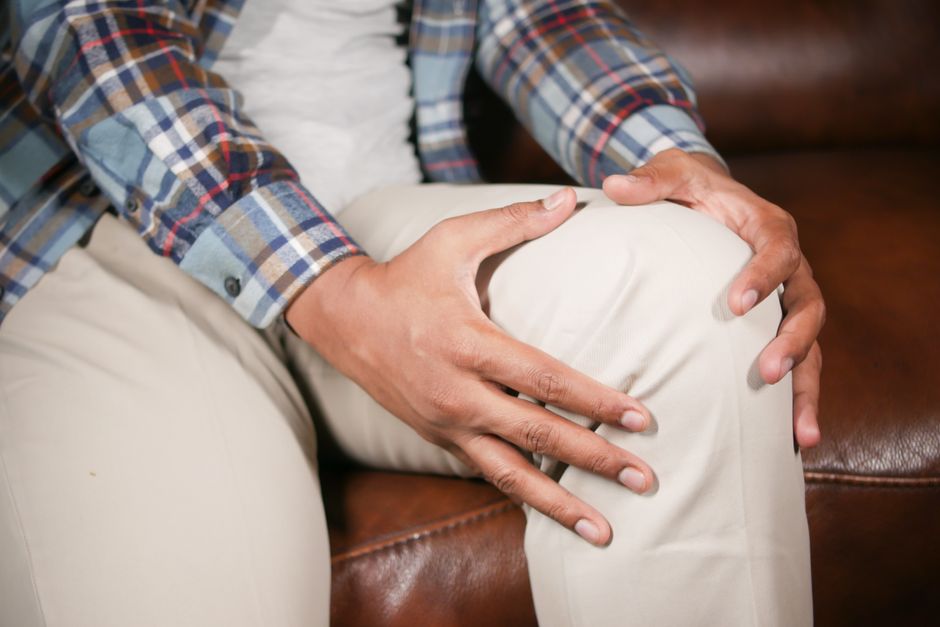
If the pain doesn't improve after a week, or if it worsens despite rest and ice, a physical therapist or doctor can assess what's happening. Sharp, catching pain—where your knee feels like it's locking at a specific angle—warrants professional evaluation sooner. The same applies if swelling is significant, if you can't straighten your knee fully, or if the pain is preventing you from doing normal daily activities.
Safety note: If you have severe pain, significant swelling, a recent injury, fever, numbness, or difficulty bearing weight, speak with a qualified healthcare professional promptly.
Frequently Asked Questions
Q: Should I apply heat or ice to a painful knee?
A: Cold — ice wrapped in a cloth — works better for acute flare-ups, particularly in the first 24 to 48 hours when the area feels warm or inflamed. Gentle heat tends to be more helpful for muscle stiffness and chronic, recurring aches. Never apply either directly to bare skin.
Q: Should I use a knee brace or compression sleeve for knee pain when bending after walking uphill?
A: A basic compression sleeve can offer comfort and mild support during activity, and many people find it helpful in the short term. Don't rely on it long-term without also addressing the root cause — whether that's strength, flexibility, or movement patterns.
Q: Is it safe to exercise with knee pain when bending after walking uphill?
A: Gentle, low-impact movement is often beneficial — walking, swimming, and cycling tend to be well-tolerated. Avoid anything that sharply increases the discomfort. A physiotherapist can help identify which exercises are right for your specific situation and severity.
A Simple Next Step
Most people who take early, sensible action recover well. Start with what you can manage today and monitor closely. If things are not improving after a few weeks, that is the right time to bring in professional support.
Helpful Next Step
As an Amazon Associate, we may earn from qualifying purchases. This does not affect the price you pay.
Helpful Support Option
If this discomfort shows up during daily walking or standing, a compression sleeve may help reduce load on the joint during movement while the underlying cause is addressed.
See walking knee support optionsHelpful Next Step
If gentle support helps during recovery, you can check a simple support option that many people use in daily life. There's a close connection between this and knee feels swollen after walking uphill — the same structures are usually involved.
This content is for educational purposes only and does not constitute medical advice. Always consult a qualified healthcare professional for diagnosis and treatment.