🦵 Not sure what's causing it? Take the 5-question knee quiz.
Find My Pattern →Knee Pain When Bending After Walking Downhill
That moment when you sit down on the couch hours after finishing a downhill hike—and your knee suddenly locks or catches as you try to straighten it again—is frustrating in a specific way. You felt fine during the walk. You felt fine standing around afterward. But the moment you bend that knee and then try to extend it, something sharp or grinding catches, or a dull ache flares that wasn't there before. By evening, the stiffness has settled in deeper than it was when you first sat down. The next morning, you can barely walk normally, even though the hike was days ago.
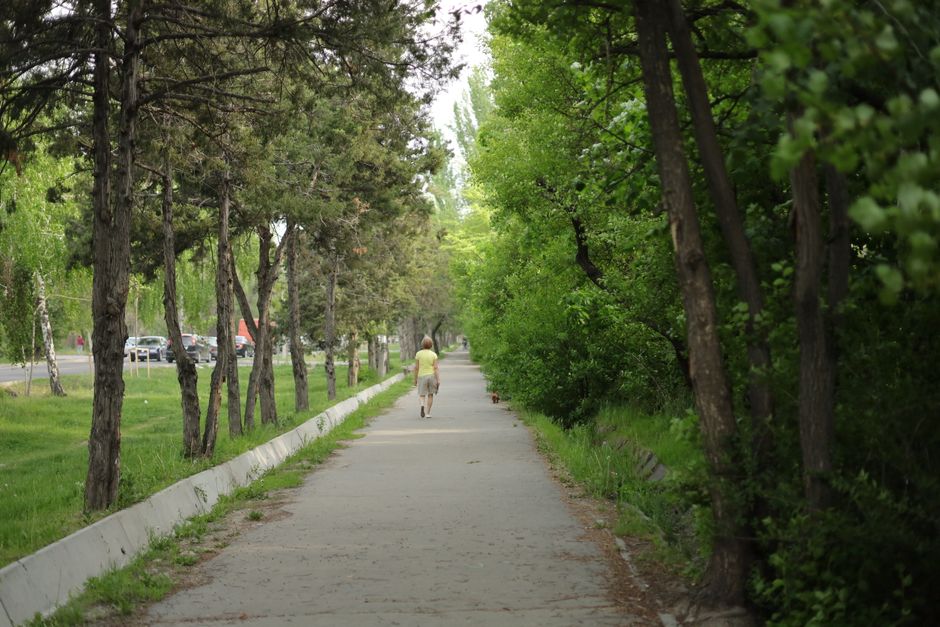
This delayed pain pattern—where your knee rebels hours or even a full day after the activity—is different from an acute injury. It's a cumulative irritation that downhill walking creates in a very specific way.
Why downhill walking damages the knee differently
🦵 Not sure what's causing your knee pain?
Answer 5 quick questions and get a personalised result.
Find My Pattern → 60 seconds · No sign-upWalking downhill forces your quadriceps (the muscle on the front of your thigh) to work in a lengthening contraction. Instead of shortening to lift your leg, the muscle has to control the descent by lengthening while it's under tension. This is called eccentric loading, and it creates more microscopic damage to muscle fibers than the same movement going uphill would. People dealing with this frequently also notice knee burning feeling after walking downhill, particularly after extended periods of inactivity.
Your quadriceps isn't just working harder—it's working in a way it may not be conditioned for. If you don't regularly walk downhill, or if you've taken time off from hiking, your legs haven't adapted to this specific demand. The muscle fibers sustain small tears, and inflammation builds over the next 24 to 48 hours. This is why you can feel almost normal the same day but wake up significantly stiffer.
The kneecap itself can also become irritated. When your quadriceps is fatigued from eccentric work, it doesn't stabilize the kneecap as effectively as it normally does. The kneecap can track slightly off-center as you bend and straighten, creating that grinding sensation or the feeling of something catching. This irritation often feels like a dull ache behind or around the kneecap rather than a sharp, localized pain.
Some people's knees are also simply more sensitive to this type of loading. Factors like how your hips align, the strength balance between your inner and outer quadriceps, and even how your foot strikes the ground can all influence whether downhill walking bothers you significantly or barely registers. There's a close connection between this and knee clicking with pain after walking downhill — the same structures are usually involved.
What you can try in the days after
Move gently, but move. The instinct to avoid bending your knee is understandable, but complete rest often makes stiffness worse. Walking on flat ground—slowly, without forcing your stride—can actually help reduce the dull ache and stiffness. The movement encourages blood flow to the irritated tissue without adding the eccentric stress that downhill created.
Apply ice or heat based on what feels right. Ice works well if you have noticeable swelling or if the pain feels sharp and active. Heat often feels better for the dull, stiff ache that develops 12 to 24 hours later. Some people alternate between them. Pay attention to which one actually reduces your discomfort rather than just following a formula.
Be specific about what movements hurt. The pain when bending after downhill is usually worse in a certain range—often the transition from bent to straight, or the first few inches of straightening. Avoid forcing through that range. Instead, move slowly and stop before the catch point. This prevents additional irritation while keeping the joint moving.
Elevate when you're sitting for long periods. Swelling often develops gradually through the evening after activity. Keeping your leg elevated—especially while sitting—reduces fluid buildup that can make stiffness worse the next morning.
Consider anti-inflammatory medication if the ache is significant. Over-the-counter ibuprofen can reduce inflammation if taken early (within a few hours of finishing the hike), though it won't prevent the soreness entirely. The ache you feel is partly inflammation and partly the normal response to muscle fiber damage, so medication addresses only part of it.
When to reach out to a professional
If the pain doesn't improve after a week, if swelling is significant or worsening, or if the catching sensation happens during normal daily activities (not just after downhill walking), a physical therapist or doctor can assess what's actually happening in your knee. They can also identify whether strength imbalances or movement patterns are making you more vulnerable to this problem.
Safety note: If you have severe pain, significant swelling, a recent injury, fever, numbness, or difficulty bearing weight, speak with a qualified healthcare professional promptly.
Frequently Asked Questions
Q: Why does my knee feel worse after sitting for a long time?
A: This pattern — stiffness or pain after prolonged sitting that eases once you move around — is a hallmark of irritation around the kneecap or the soft tissues surrounding it. The joint stiffens in a flexed position, and the first movement disturbs it. Most people find it settles within a minute or two of walking.
Q: Can I still walk normally when I have knee pain when bending after walking downhill?
A: Many people manage normal walking despite this kind of discomfort. If walking causes you to limp or noticeably change your gait, though, that's worth addressing — compensating patterns often create new problems in the hips, lower back, or opposite knee over time.
Q: Should I use a knee brace or compression sleeve for knee pain when bending after walking downhill?
A: A basic compression sleeve can offer comfort and mild support during activity, and many people find it helpful in the short term. Don't rely on it long-term without also addressing the root cause — whether that's strength, flexibility, or movement patterns.
What To Do Tomorrow Morning
Most people who take early, sensible action recover well. Start with what you can manage today and monitor closely. If things are not improving after a few weeks, that is the right time to bring in professional support.
Helpful Next Step
As an Amazon Associate, we may earn from qualifying purchases. This does not affect the price you pay.
Helpful Support Option
If this discomfort shows up during daily walking or standing, a compression sleeve may help reduce load on the joint during movement while the underlying cause is addressed.
See walking knee support optionsHelpful Next Step
If gentle support helps during recovery, you can check a simple support option that many people use in daily life. There's a close connection between this and knee feels swollen after walking downhill — the same structures are usually involved.
This content is for educational purposes only and does not constitute medical advice. Always consult a qualified healthcare professional for diagnosis and treatment.