🦵 Not sure what's causing it? Take the 5-question knee quiz.
Find My Pattern →Knee Pain the Day After a Long Run
Most runners know the feeling: you finish a long run feeling strong, even a little proud. The next morning, you swing your legs out of bed and there's that sharp catch in your knee—the kind that makes you pause mid-movement, testing it carefully before you put weight down. By afternoon it feels better. By evening it's barely there. Then you wake up on day two or three and it's worse than it was yesterday. That's the pattern that makes you wonder: is this normal soreness, or did I actually injure something?
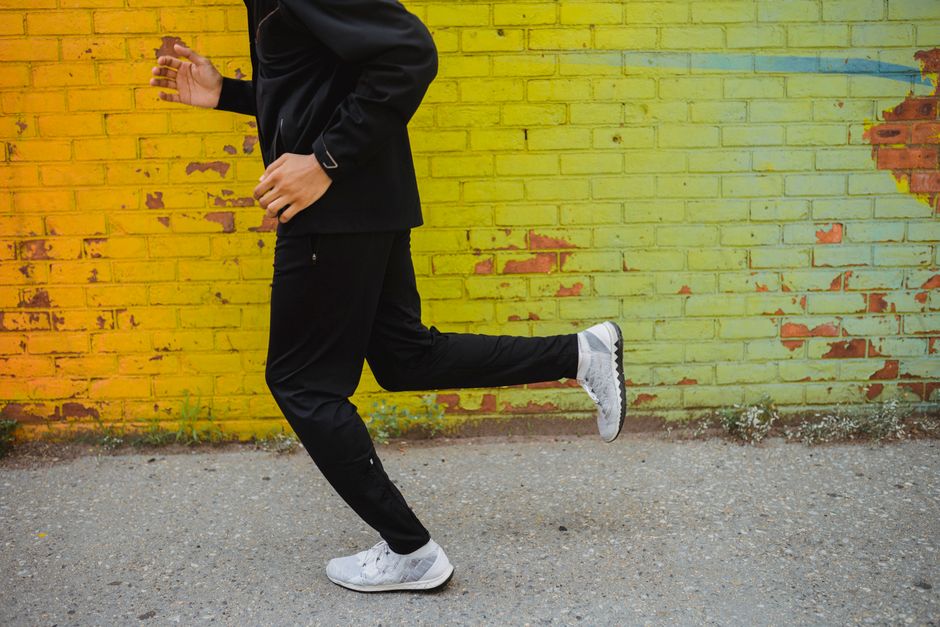
The psychological weight of this moment matters more than most articles acknowledge. You were building momentum. You had a training plan. Now you're sitting on the couch questioning whether you've set yourself back, whether you should rest completely or try to work through it, and whether you're even the kind of person who can handle distance running. That frustration is real, and it's separate from the physical pain itself.
What's actually happening in your knee
🦵 Not sure what's causing your knee pain?
Answer 5 quick questions and get a personalised result.
Find My Pattern → 60 seconds · No sign-upWhen you run longer than your body is accustomed to—or longer than recent training cycles have prepared you for—your knee structures experience both mechanical stress and microscopic damage. This isn't injury in the emergency-room sense. It's adaptation stress. For useful context, knee pain after standing all day tends to have the same mechanical roots and overlapping solutions.
Your quadriceps and hamstrings may not have been strong enough to stabilize your knee through the entire distance, which means your knee joint itself absorbed more impact than it should have. Your cartilage, tendons, and the tissues around your kneecap all took on work they weren't conditioned for. The inflammatory response that follows can feel sharp when you first move after sitting, then dull and heavy once you're moving again—which is why morning stiffness often peaks before noon, then eases as the day goes on.
Deconditioning matters more than people admit. If you jumped from 5 miles to 10 miles, or ran at a pace faster than your body expected, the sudden demand can trigger this delayed soreness even if you're otherwise fit. It's not about being weak; it's about the specific load being new.
Running downhill during your long run compounds this effect significantly. Eccentric loading—where your muscles lengthen while contracting, like when descending—creates more microscopic damage than flat running. If your route had hills, especially descents, your quads and the tissues supporting your kneecap bore extra stress. This is why stairs often feel worse the day after than the run itself did.
Biomechanical factors also play a role. If your hip muscles fatigue during the run, your knee angles inward slightly with each stride. You don't notice it happening—you just keep running because you're focused on distance. But by the end, your knee has absorbed thousands of slightly misaligned impacts. The soreness that follows is your body's way of signaling that stabilization failed partway through. People dealing with this frequently also notice knee pain after standing at work all day, particularly after extended periods of inactivity.
What you can actually do right now
Move gently, but do move. Complete rest often makes morning stiffness worse. A slow 10-minute walk, or easy cycling if you have access to a bike, can help flush inflammatory fluid and reduce the heavy, tight feeling. The key is "easy"—this isn't training, it's movement that feels comfortable, not challenging.
Manage the sharp catches when you stand up. That sudden catch when you first bear weight happens because fluid has pooled in the joint while you're resting. Before you stand, try straightening your leg while still sitting, then gently flex your knee a few times. This primes the joint. When you do stand, shift your weight gradually rather than putting full pressure on immediately. The catch usually fades within the first few steps.
Ice if you feel significant swelling, heat if you feel stiffness. Swelling responds to cold; stiffness responds to warmth. Many people find that ice right after the run reduces next-day swelling, while gentle heat the following morning helps with the morning stiffness. Pay attention to what your knee actually feels like—is it puffy, or is it just tight? That tells you what will help.
Elevate your leg when you're sitting. This isn't dramatic recovery protocol; it's just practical. Gravity pulls fluid downward into your knee when you're upright. Elevating above hip height for 15–20 minutes while you're resting helps that fluid move back out of the joint space, which can reduce the heavy sensation.
Eat protein and stay hydrated. Muscle repair requires protein, and inflammation management requires adequate hydration. This isn't magic, but dehydration genuinely makes soreness feel sharper and last longer.
When to reach out to a professional
The soreness from a long run typically peaks 48–72 hours after and then gradually improves over a week. If your pain is getting worse after day three, if you have significant swelling that doesn't reduce with elevation, if you hear popping or feel instability when you move, or if the pain is sharp and localized rather than a dull, widespread ache, those are signs you should talk to a healthcare provider.
Also trust your intuition about intensity. You know your body. If something feels genuinely wrong rather than just uncomfortable, don't wait.
Safety note: If you have severe pain, significant swelling, a recent injury, fever, numbness, or difficulty bearing weight, speak with a qualified healthcare professional promptly.
Frequently Asked Questions
Q: Should I use a knee brace or compression sleeve for knee pain the day after a long run?
A: A basic compression sleeve can offer comfort and mild support during activity, and many people find it helpful in the short term. Don't rely on it long-term without also addressing the root cause — whether that's strength, flexibility, or movement patterns.
Q: Is it normal to hear clicking sounds alongside knee pain the day after a long run?
A: Joint sounds are extremely common and usually harmless — they often come from gas bubbles in the joint fluid or tendons flicking over bony prominences. If the clicking is painless and your knee functions normally, it's generally nothing to worry about. If it's accompanied by pain or swelling, mention it to a healthcare professional.
Q: When should I stop exercising because of knee pain the day after a long run?
A: Stop if the pain is sharp, climbing steadily during exercise, or causing you to change how you move. Mild, stable discomfort that stays at a 2 to 3 out of 10 is often acceptable to work through gently. Anything above that — or pain that simply feels wrong — is your cue to stop and reassess.
What To Do Tomorrow Morning
Most people who take early, sensible action recover well. Start with what you can manage today and monitor closely. If things are not improving after a few weeks, that is the right time to bring in professional support.
Helpful Next Step
As an Amazon Associate, we may earn from qualifying purchases. This does not affect the price you pay.
Helpful Support Option
Runners dealing with this kind of knee discomfort often find that a well-fitted compression sleeve helps stabilise the joint and manage irritation during lower-intensity training sessions.
See knee sleeves for runningHelpful Next Step
If gentle support helps during recovery, you can check a simple support option that many people use in daily life. If you also experience knee pain on stairs after leg day workout, the two issues often share the same underlying cause.
This content is for educational purposes only and does not constitute medical advice. Always consult a qualified healthcare professional for diagnosis and treatment.