🦵 Not sure what's causing it? Take the 5-question knee quiz.
Find My Pattern →Knee Pain That Wakes Me up at Night
Chances are you've been told to stop all activity the moment knee pain that wakes me up at night appears. That advice isn't quite right.
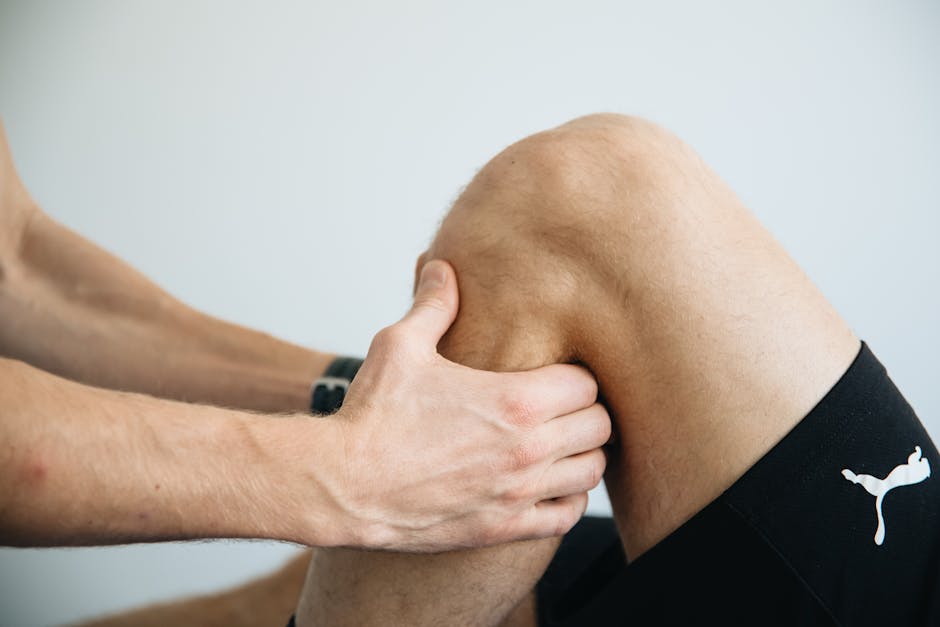
The most likely explanation for knee pain that wakes me up at night is a mechanical one — something about load, muscle support, or movement pattern — rather than structural damage to the joint. That said, understanding what's specifically behind your discomfort — and what's making it better or worse — is the key to addressing it effectively.
The Most Likely Causes
The knee doesn't function in isolation. What you feel in your knee is often the result of forces coming from somewhere else — the hip above, the foot below, or the way you're distributing load during a particular movement. Here are the causes behind the large majority of knee pain that wakes me up at night cases:
- Quad and glute weakness — Your quadriceps absorb impact. Your glutes control how your knee tracks during movement. When either is underperforming, the joint takes on more load than it should. This is the single most common underlying factor, and it responds well to targeted strengthening over four to six weeks.
- Soft tissue tension — The IT band, hip flexors, calves, and hamstrings all create forces around the knee. When one of these structures is tight, it can alter patellar tracking or place repetitive strain on tendons and bursae.
- Load management issues — A sudden jump in activity is a very common trigger. The tissue simply hasn't had time to adapt. This is especially worth considering if your knee pain that wakes me up at night came on gradually after starting something new.
- Joint surface irritation — The cartilage on the underside of the kneecap can become irritated, producing a deep ache that's worse after sustained positions. This doesn't necessarily mean arthritis — in many cases it's reversible with the right approach.
- Referred discomfort from the hip — The hip and knee share nerve pathways. Hip problems — including impingement, weakness, or early arthritis — can produce symptoms that feel like they're coming entirely from the knee.
In most cases, there's a combination of factors at play rather than a single isolated cause. This often happens when multiple small contributors build up over time rather than one dramatic event
What Makes It Worse
Knowing your specific triggers is useful both for day-to-day management and for understanding the mechanism behind your symptoms:
- Prolonged sitting or static positions — Keeping the knee bent for extended periods increases joint compression and stiffens the surrounding soft tissue. Many people find the first few steps after sitting are the most uncomfortable part of their day.
- Descending stairs or slopes — Going downhill demands eccentric loading — your quadriceps have to lengthen under load to control the descent. This is one of the most revealing tests of quad strength, and a classic location for symptoms.
- High-impact activity — Running, jumping, or any activity that increases impact load can flare up knee symptoms that are otherwise manageable during lower-intensity movement.
- Cold temperatures — A classic trigger for joint-related discomfort. Cold increases joint fluid viscosity and can temporarily reduce the flexibility of soft tissue.
- Carrying extra load — Each kilogram of body weight creates roughly three to four kilograms of force across the knee during walking. Any additional load amplifies this significantly.
Pro Tip: Place a rolled towel under your knee when sitting for long periods. It keeps the joint in a slightly extended position, which reduces compression in the patellar tracking groove and can cut that post-sitting ache significantly.
As an Amazon Associate, we may earn from qualifying purchases. This does not affect the price you pay.
Helpful Support Option
If this type of knee discomfort shows up during daily movement, light support may help reduce strain on the joint while you work on the underlying cause.
See knee support options on AmazonWant a more personalised recommendation? Take the 5-question quiz →
Simple Things That Often Help
Before professional intervention is needed, there are practical steps that can make a real difference for many people:
- Build quad strength progressively — Wall sits, straight-leg raises, step-ups, and split squats are all effective. Start with what you can do without pain and build over four to six weeks. Consistency matters more than intensity. Focused VMO activation — the inner portion of the quad — pays particular dividends for patellar tracking issues.
- Stretch hip flexors and hamstrings daily — Tightness in these muscle groups pulls on the knee from above and below. A consistent, gentle stretching routine can reduce that chronic quadriceps tension meaningfully over two to three weeks.
- Temporarily adjust your activity volume — If load is the problem, reducing it gives the irritated tissue a chance to settle. Then build back more gradually and sustainably.
- Try ice after provocative activity — If the knee consistently flares up after a specific activity, applying ice wrapped in a cloth for 10 to 15 minutes afterwards can moderate the inflammatory response.
- Reassess your footwear — Particularly if you're active. Shoes with inadequate support significantly alter the forces transmitted through your lower limb.
A practical way to look at this is that staying active in smarter ways tends to produce better outcomes than extended rest. Movement, done right, is medicine. If you also experience knee pain at night when lying down, the two issues often share the same underlying cause.
Not sure what's causing your knee pain? Take our 5-question quiz to find your pattern — Start the quiz →
Warning Signs to Watch For
Most knee pain that wakes me up at night doesn't need urgent attention. These signs are different and warrant prompt professional assessment:
- Sudden, severe pain following a specific movement or injury
- Significant swelling that develops rapidly within hours
- The knee feeling like it may give way, or actually giving way unexpectedly
- A locking sensation — the knee getting stuck and refusing to fully straighten
- Fever combined with a hot, swollen joint — this points to a non-mechanical cause
- Pain that's getting clearly worse over days rather than gradually settling
Safety note: If you have severe pain, significant swelling, a recent injury, fever, numbness, or difficulty bearing weight, speak with a qualified healthcare professional promptly.
Frequently Asked Questions
Q: How long does knee pain that wakes me up at night usually last?
A: This varies a lot depending on the cause. Minor muscle strain or overuse tends to settle within a few days to two weeks with appropriate rest and gentle movement. If it hasn't improved after three weeks — or symptoms are worsening — that's a clear signal to get a professional opinion.
Q: Can I still walk normally when I have knee pain that wakes me up at night?
A: Many people manage normal walking despite this kind of discomfort. If walking causes you to limp or noticeably change your gait, though, that's worth addressing — compensating patterns often create new problems in the hips, lower back, or opposite knee over time.
Q: When should I stop exercising because of knee pain that wakes me up at night?
A: Stop if the pain is sharp, climbing steadily during exercise, or causing you to change how you move. Mild, stable discomfort that stays at a 2 to 3 out of 10 is often acceptable to work through gently. Anything above that — or pain that simply feels wrong — is your cue to stop and reassess.
What To Do Tomorrow Morning
Don't wait for the pain to become severe before addressing it. Start with modified activity, some targeted strengthening, and a close look at your footwear and movement habits. If there's no meaningful improvement within two to three weeks, that's your cue to get a professional involved. Most people who act early recover significantly faster than those who wait it out.
Helpful Next Step
This content is for educational purposes only and does not constitute medical advice. Always consult a qualified healthcare professional for diagnosis and treatment.