🦵 Not sure what's causing it? Take the 5-question knee quiz.
Find My Pattern →Knee Pain After Walking on Cobblestones
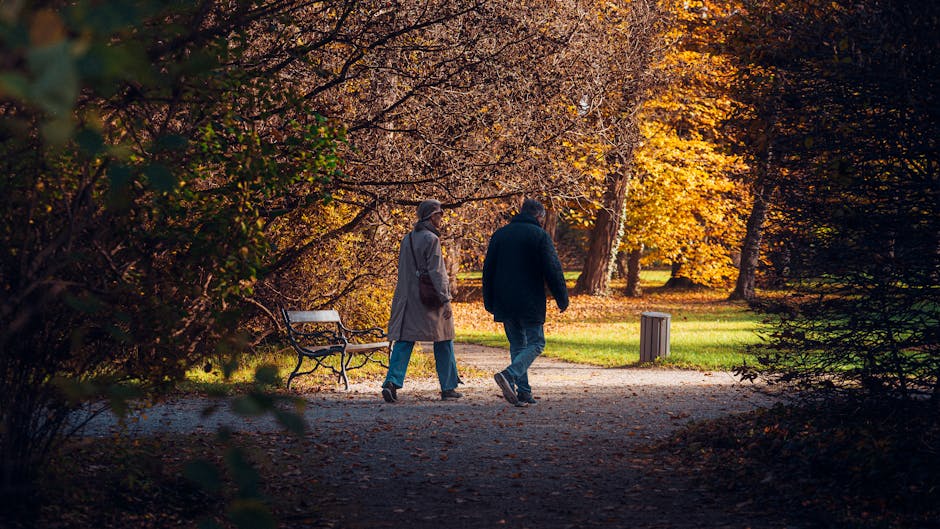
Walking across a cobblestone plaza feels fine while you're doing it. Your attention is on the scenery, the conversation, navigating the uneven surface. But then you sit down for coffee 20 minutes later, and a dull, heavy ache settles into your knee—the kind that wasn't there before. By evening, it's worse. The next morning, your knee feels stiff in a way regular walking doesn't trigger. This delayed response is what makes cobblestone pain so frustrating: the damage feels invisible while it's happening, then announces itself hours later.
Why cobblestones create this particular problem
🦵 Not sure what's causing your knee pain?
Answer 5 quick questions and get a personalised result.
Find My Pattern → 60 seconds · No sign-upCobblestones force your knee to work differently than smooth pavement does. With each step, your foot lands on a slightly different height and angle. Your ankle, knee, and hip have to make constant micro-adjustments to keep you stable. These tiny corrections add up quickly—your knee absorbs impact from an uneven surface rather than a predictable one, and that repetitive jarring compounds over a short walk.
The inflammatory response is delayed. Your knee doesn't start swelling or aching while you're walking; it happens afterward as fluid builds up in the joint and surrounding tissues react to the stress. This is why you might feel fine during the walk but struggle to straighten your leg the next morning. For useful context, knee gives way when walking tends to have the same mechanical roots and overlapping solutions.
Thin-soled shoes amplify this problem. If you wore flat leather shoes or minimal sneakers on the cobblestones, your knee felt every impact directly. Heavily cushioned shoes absorb more shock, but they can also feel unstable on uneven ground—your foot sinks slightly into the cushioning with each step, forcing your knee to compensate for that instability. Either way, your knee pays a price.
The cumulative effect matters too. Three separate 15-minute walks on cobblestones over a week can trigger more pain than one 45-minute walk, because your knee never fully recovers between exposures. Each walk restarts the inflammatory cycle before the previous one has resolved.
What you can try
Ice after activity, not just when pain appears. If you know you've walked on cobblestones, ice your knee for 15–20 minutes within the first two hours, even if it doesn't hurt yet. This can reduce the inflammation before it builds up enough to cause the delayed ache. Ice works better as prevention than as treatment once the swelling has started.
Wear shoes with real cushioning and ankle support on cobblestones specifically. This isn't about finding the perfect shoe—it's about matching the shoe to the surface. Cushioned running shoes or walking shoes reduce the direct impact on your knee and provide stability on uneven ground. The trade-off is that they feel bulkier than flat shoes, but your knee recovers faster. If you're visiting a cobblestone area, plan ahead and wear appropriate footwear rather than whatever shoes you happen to have on.
Stretch your calf muscles and the bottom of your foot gently. Tight calves change how your foot strikes the ground, forcing your knee to absorb more shock. After a cobblestone walk, spend a few minutes stretching your calf against a wall or step, and massage the arch of your foot with your hand or a tennis ball. These muscles work overtime on uneven surfaces.
Walk slower and take shorter steps. Rushing on cobblestones increases impact force. Smaller, slower steps let your muscles control the movement rather than relying on impact absorption. This feels awkward at first, but it genuinely reduces knee stress.
Apply heat the next day if stiffness lingers. Ice helps with acute inflammation immediately after activity. Heat helps with stiffness and muscle tension the following day. A warm shower or heating pad for 15 minutes can make the morning stiffness feel less severe.
When to see a professional
If pain is sharp and localized to one spot on your knee rather than a general ache, it may signal something specific that needs assessment. If swelling is significant, if you feel instability or your knee gives way, or if pain lasts more than a few days after the walk, a physical therapist or doctor can evaluate what's happening. People dealing with this frequently also notice knee pain after walking barefoot on hard floor, particularly after extended periods of inactivity.
Pain that worsens with each cobblestone exposure despite precautions may indicate an underlying issue—like muscle imbalance or alignment problems—that benefits from professional guidance. A physical therapist can identify whether your hips, ankles, or core are contributing to the problem.
Safety note: If you have severe pain, significant swelling, a recent injury, fever, numbness, or difficulty bearing weight, speak with a qualified healthcare professional promptly.
Frequently Asked Questions
Q: Can stretching help with knee pain after walking on cobblestones?
A: Gentle stretching of the quadriceps, hamstrings, calves, and hip flexors can reduce the muscular tension that contributes to knee discomfort. A sustained, comfortable hold of 20 to 30 seconds is far more effective and safer than aggressive or bouncing stretches.
Q: Why does my knee feel worse after sitting for a long time?
A: This pattern — stiffness or pain after prolonged sitting that eases once you move around — is a hallmark of irritation around the kneecap or the soft tissues surrounding it. The joint stiffens in a flexed position, and the first movement disturbs it. Most people find it settles within a minute or two of walking.
Q: What happens if I ignore knee pain after walking on cobblestones?
A: In some cases, minor knee discomfort does resolve on its own. But consistently ignoring pain — especially if it's altering how you move — can allow the underlying cause to worsen. Most people find that early, sensible attention leads to faster recovery than waiting it out indefinitely.
What To Do Tomorrow Morning
Most people who take early, sensible action recover well. Start with what you can manage today and monitor closely. If things are not improving after a few weeks, that is the right time to bring in professional support.
Helpful Next Step
As an Amazon Associate, we may earn from qualifying purchases. This does not affect the price you pay.
Helpful Support Option
If this discomfort shows up during daily walking or standing, a compression sleeve may help reduce load on the joint during movement while the underlying cause is addressed.
See walking knee support optionsHelpful Next Step
If gentle support helps during recovery, you can check a simple support option that many people use in daily life. People dealing with this frequently also notice knee pain after walking down stairs, particularly after extended periods of inactivity.
This content is for educational purposes only and does not constitute medical advice. Always consult a qualified healthcare professional for diagnosis and treatment.