🦵 Not sure what's causing it? Take the 5-question knee quiz.
Find My Pattern →Knee Pain Worsens Throughout the Day
The morning feels deceptive. You wake up, move around the kitchen, maybe do some light activity—and the knee feels manageable, almost normal. But as the afternoon stretches on, something shifts. By late afternoon or early evening, that dull ache has transformed into something sharper, more insistent. Standing becomes uncomfortable. Walking feels heavier. The pain you barely noticed at lunch is now the thing you notice most, making you reluctant to do the evening things you planned—cooking dinner, a walk with a friend, even just standing while talking. If the opposite is true for you — pain that peaks on waking and then eases — that's a different pattern called morning knee stiffness that improves with movement, and it follows its own distinct logic.
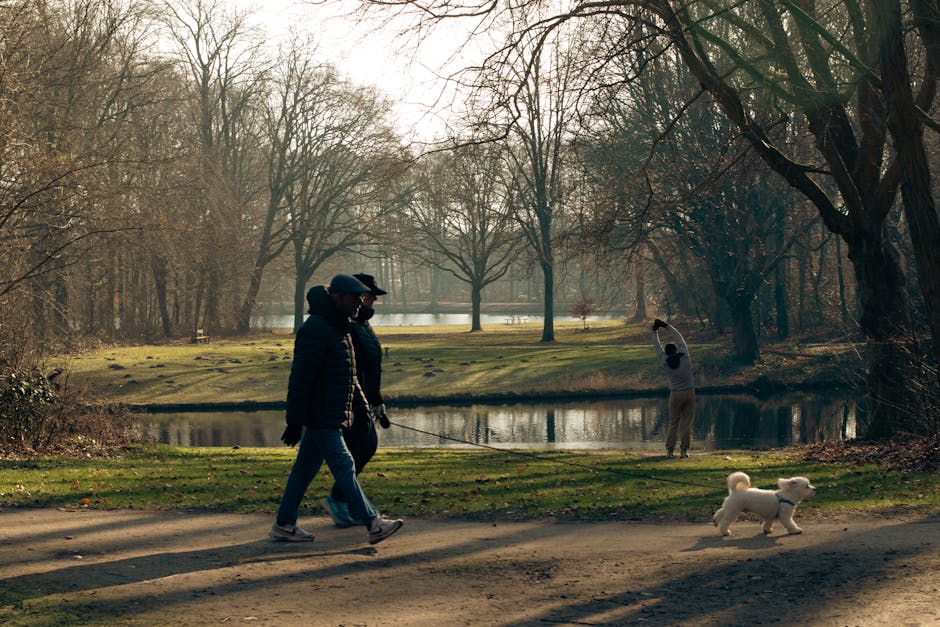
This pattern of worsening pain isn't random. It follows a rhythm tied to how your knee responds to cumulative stress, fatigue, and the way your body manages inflammation across hours of activity. If you also experience knee pain after standing all day, the two issues often share the same underlying cause.
Why the pain compounds as hours pass
🦵 Not sure what's causing your knee pain?
Answer 5 quick questions and get a personalised result.
Find My Pattern → 60 seconds · No sign-upSeveral things can cause knee pain to escalate throughout the day rather than stay constant.
Accumulated load without adequate recovery. Your knee can tolerate activity when it's fresh, but it doesn't reset between tasks. You walk to your car, stand at work, climb stairs, sit in a way that stresses the joint—each thing is manageable alone, but they stack. By 3 or 4 p.m., the knee has absorbed hours of load without meaningful breaks. The pain doesn't spike because of one thing; it builds because of many small things.
Inflammation that develops slowly. Unlike sharp pain from an injury, inflammatory pain often creeps in. Your knee might swell slightly throughout the day—so gradually you don't consciously notice it—and as swelling increases, so does discomfort. The joint becomes tighter, movement feels more restricted, and pain intensifies. Morning swelling is usually worst right after waking, so you feel better early; by evening, fresh inflammation from the day's activity takes over.
Fatigue amplifying pain perception. This is the part many people miss. As your body tires, your nervous system becomes more sensitive to pain signals. A dull throb that felt tolerable at 10 a.m. feels sharp and exhausting by 6 p.m.—not because the knee worsened, but because you're tired. You've been managing pain all day, your mental resources are depleted, and your body's pain-dampening systems aren't working as effectively. Evening pain often feels worse than the activity causing it warrants.
Muscle fatigue reducing joint support. The muscles around your knee stabilize the joint. When those muscles tire—from standing, walking, or just maintaining posture all day—they provide less support. The knee compensates by working harder, and pain increases. This is why pain often feels worse toward the end of the day even if you haven't done anything strenuous.
What to try without making it worse
Identify your personal pain threshold timing. Pay attention to when pain typically peaks. Is it always 4 p.m., or does it vary? Does it worsen gradually or hit suddenly? Understanding your pattern helps you plan around it. If pain reliably worsens after standing for three hours, you know to break up standing time before that point reaches.
Take strategic sitting breaks before pain escalates. Don't wait until the knee hurts to rest it. If you know pain typically worsens in the late afternoon, sit down for 10-15 minutes around 2 p.m.—before the pain has built up. This interrupts the accumulation cycle rather than trying to recover after pain has already intensified. Elevation during these breaks (feet up on a chair or ottoman) can help reduce swelling before it compounds.
Apply ice in the evening, not after pain peaks. Many people ice only when pain is severe, but applying ice before evening pain fully develops may prevent it from escalating further. An ice pack for 15-20 minutes around 4 or 5 p.m.—before you typically feel worst—can reduce inflammation before it worsens. This is different from icing after pain has already made the evening difficult.
Adjust how you sit and stand throughout the day. Poor positioning accumulates. Slouching at a desk, sitting with legs crossed, or standing with weight unevenly distributed all stress the knee differently over hours. Small adjustments—keeping feet flat when seated, distributing weight evenly when standing, taking a few steps every hour—reduce the total load the knee absorbs.
Distinguish between activity and actual pain worsening. Sometimes the pain feels worse simply because you're tired and noticing it more, not because the knee has actually deteriorated. On days when you're well-rested, the same activity might produce less noticeable pain. This doesn't mean pushing through; it means understanding that end-of-day pain isn't always a signal that you've damaged something.
When to reach out for professional guidance
If worsening pain happens almost every day regardless of activity level, if it's preventing you from doing things that matter to you, or if the pattern has changed recently, a healthcare professional can help identify what's driving it. They can also assess whether the pain is coming from the joint itself, surrounding muscles, or something else entirely—which changes what actually helps.
Safety note: If you have severe pain, significant swelling, a recent injury, fever, numbness, or difficulty bearing weight, speak with a qualified healthcare professional promptly.
Frequently Asked Questions
Q: Is it normal to hear clicking sounds alongside knee pain worsens throughout the day?
A: Joint sounds are extremely common and usually harmless — they often come from gas bubbles in the joint fluid or tendons flicking over bony prominences. If the clicking is painless and your knee functions normally, it's generally nothing to worry about. If it's accompanied by pain or swelling, mention it to a healthcare professional.
Q: When should I stop exercising because of knee pain worsens throughout the day?
A: Stop if the pain is sharp, climbing steadily during exercise, or causing you to change how you move. Mild, stable discomfort that stays at a 2 to 3 out of 10 is often acceptable to work through gently. Anything above that — or pain that simply feels wrong — is your cue to stop and reassess.
Q: Why does my knee feel worse after sitting for a long time?
A: This pattern — stiffness or pain after prolonged sitting that eases once you move around — is a hallmark of irritation around the kneecap or the soft tissues surrounding it. The joint stiffens in a flexed position, and the first movement disturbs it. Most people find it settles within a minute or two of walking.
One Thing to Try First
Most people who take early, sensible action recover well. Start with what you can manage today and monitor closely. If things are not improving after a few weeks, that is the right time to bring in professional support.
Helpful Next Step
As an Amazon Associate, we may earn from qualifying purchases. This does not affect the price you pay.
Helpful Support Option
If this discomfort shows up during daily walking or standing, a compression sleeve may help reduce load on the joint during movement while the underlying cause is addressed.
See walking knee support optionsHelpful Next Step
If gentle support helps during recovery, you can check a simple support option that many people use in daily life. There's a close connection between this and knee swelling after standing all day — the same structures are usually involved.
This content is for educational purposes only and does not constitute medical advice. Always consult a qualified healthcare professional for diagnosis and treatment.