🦵 Not sure what's causing it? Take the 5-question knee quiz.
Find My Pattern →Knee Feels Unstable After Walking Uphill
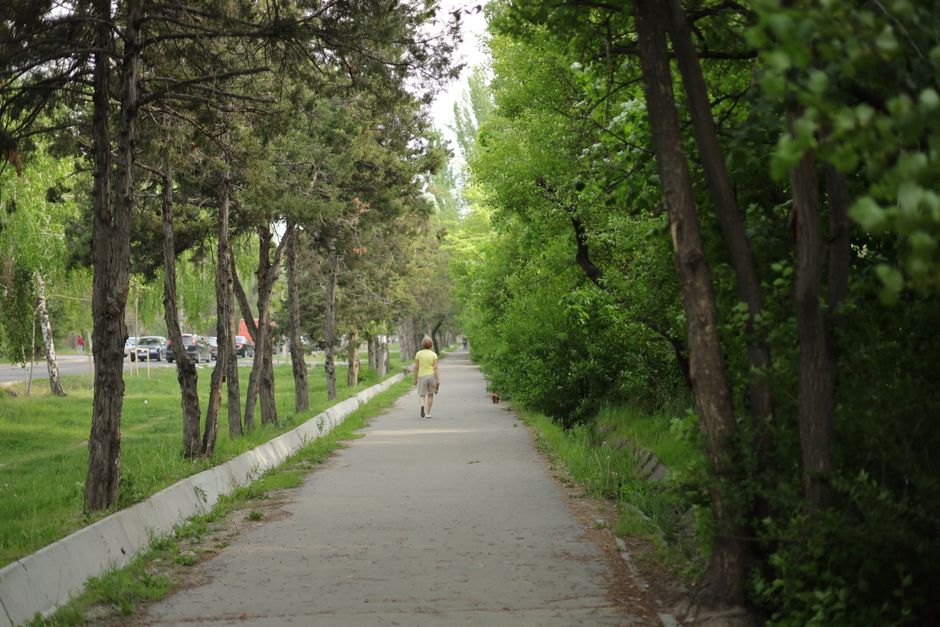
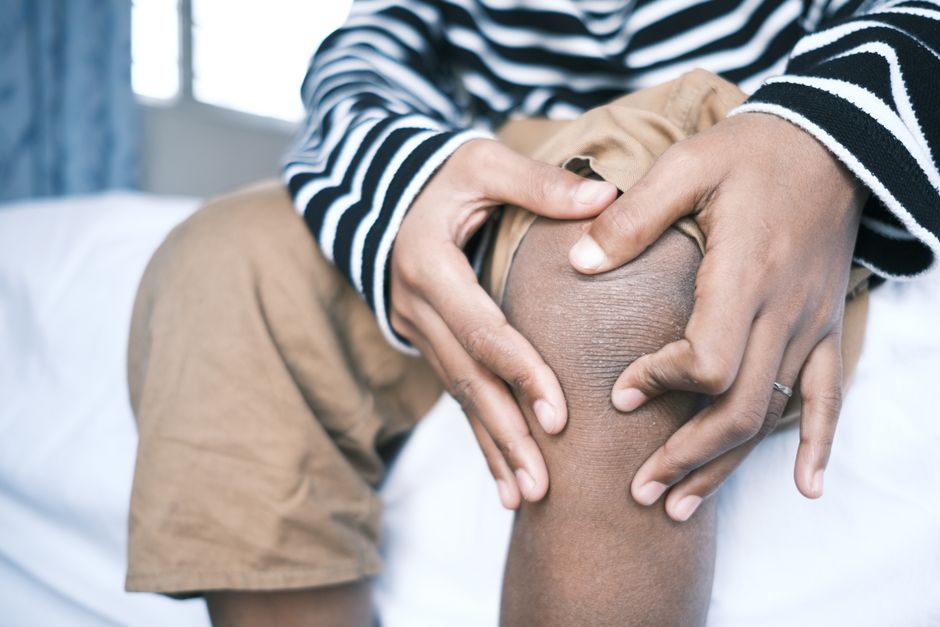
That moment on the descent—when your quad is already tired from the climb and your knee suddenly feels loose, like it might slip sideways with your next step—is different from typical knee pain. It's not sharp or throbbing. It's a sensation of the knee not quite tracking right, a subtle shift that makes you pause mid-stride and consciously reset your stance before continuing. For many people, this instability doesn't happen during the uphill push itself. It emerges on the way down, or even 20 to 30 minutes into the walk when fatigue has accumulated. The knee felt stable enough climbing. But now, when you need your muscles most to control the descent, something feels off.
Why This Happens After Climbing
🦵 Not sure what's causing your knee pain?
Answer 5 quick questions and get a personalised result.
Find My Pattern → 60 seconds · No sign-upWalking uphill demands sustained work from your quadriceps—the large muscle on the front of your thigh. This muscle is responsible for straightening your knee and, critically, for stabilizing your kneecap as it moves through its groove. When you climb, your quads fire constantly to lift your body weight against gravity. By the time you reach the top or begin descending, that muscle is fatigued.
Fatigue changes everything. A tired quadriceps can't hold the kneecap in its proper alignment as effectively. This may allow the kneecap to track slightly inward or outward as your knee bends and straightens. The result isn't pain necessarily—it's a sensation of looseness or instability. Your brain detects that something isn't tracking smoothly, and that's what you feel. There's a close connection between this and knee feels swollen after walking uphill — the same structures are usually involved.
Hip weakness can amplify this problem. Your hip muscles, especially those on the outside of your hip, help control the angle of your thigh as you walk downhill. If these muscles are underdeveloped, your thigh may rotate inward slightly with each step. This changes how forces move through your knee and can make the kneecap tracking issue worse. The instability you feel may actually originate from above the knee, not within it.
Proprioception—your body's sense of where it is in space—also plays a role. After intense muscular effort, your nervous system's feedback from the knee becomes less precise. Fatigue dulls the signals your muscles and tendons send to your brain about knee position. This sensory lag can create a feeling of instability even if the structures of the knee are intact.
Past injury or a history of the knee "giving way" can create a feedback loop. Once you've experienced instability, your nervous system becomes more cautious. You may unconsciously change how you walk to avoid another episode—tightening muscles, shortening your stride, or shifting weight unevenly. These protective changes can actually increase instability over time because they prevent your stabilizing muscles from working naturally.
What You Can Try
Walk on gentler terrain first. If possible, choose routes with less steep descents while you're building confidence and strength. A gradual slope is far less demanding on a fatigued quadriceps than a steep one. This isn't forever—it's a way to practice stability without pushing into the fatigue zone where instability emerges.
Slow your descent deliberately. Rushing downhill increases the force your quad must absorb and control. Taking smaller steps and moving slowly gives your muscles more time to respond and stabilize with each step. This also gives your nervous system better feedback about knee position.
Strengthen your quadriceps in ways that matter for hills. Exercises like step-ups, shallow squats, or wall sits build quad endurance—the ability to maintain strength over time, not just for one repetition. The goal is to delay the fatigue that triggers instability. Work at a level where you can complete the exercise with good form; poor form creates bad patterns your body learns.
Address hip strength. Side-lying leg lifts, clamshells, or lateral band walks target the hip muscles that stabilize your thigh alignment. These don't feel dramatic, but they reduce the inward rotation of your thigh that can destabilize the knee. Even 10 minutes, three times a week, can make a difference over several weeks.
Reduce volume before intensity. If you've been walking longer distances or on steeper hills, dial back distance first. It's tempting to push through, but instability is your nervous system signaling that fatigue has compromised control. Respecting that signal prevents compensation patterns from taking root.
When to See a Professional
If the instability is accompanied by actual episodes where your knee gives way completely—where it collapses and you nearly fall—that warrants evaluation sooner rather than later. The same applies if you notice swelling that doesn't resolve within a day or two, or if the sensation of instability is getting worse despite rest and activity modification. People dealing with this frequently also notice knee burning feeling after walking uphill, particularly after extended periods of inactivity.
A physical therapist can assess whether the problem is primarily muscular fatigue, proprioceptive lag, structural (like ligament laxity), or a combination. They can also identify subtle gait changes you might not notice yourself—like a tendency to walk with your knee slightly bent to avoid full weight-bearing, which can become a chronic pattern.
Safety note: If you have severe pain, significant swelling, a recent injury, fever, numbness, or difficulty bearing weight, speak with a qualified healthcare professional promptly.
Frequently Asked Questions
Q: What happens if I ignore knee feels unstable after walking uphill?
A: In some cases, minor knee discomfort does resolve on its own. But consistently ignoring pain — especially if it's altering how you move — can allow the underlying cause to worsen. Most people find that early, sensible attention leads to faster recovery than waiting it out indefinitely.
Q: Why does my knee feel worse after sitting for a long time?
A: This pattern — stiffness or pain after prolonged sitting that eases once you move around — is a hallmark of irritation around the kneecap or the soft tissues surrounding it. The joint stiffens in a flexed position, and the first movement disturbs it. Most people find it settles within a minute or two of walking.
Q: Can I still walk normally when I have knee feels unstable after walking uphill?
A: Many people manage normal walking despite this kind of discomfort. If walking causes you to limp or noticeably change your gait, though, that's worth addressing — compensating patterns often create new problems in the hips, lower back, or opposite knee over time.
One Thing to Try First
Most people who take early, sensible action recover well. Start with what you can manage today and monitor closely. If things are not improving after a few weeks, that is the right time to bring in professional support.
Helpful Next Step
As an Amazon Associate, we may earn from qualifying purchases. This does not affect the price you pay.
Helpful Support Option
If this discomfort shows up during daily walking or standing, a compression sleeve may help reduce load on the joint during movement while the underlying cause is addressed.
See walking knee support optionsHelpful Next Step
If gentle support helps during recovery, you can check a simple support option that many people use in daily life. This pattern is related to knee clicking with pain after walking uphill, and the same management principles often apply.
This content is for educational purposes only and does not constitute medical advice. Always consult a qualified healthcare professional for diagnosis and treatment.