🦵 Not sure what's causing it? Take the 5-question knee quiz.
Find My Pattern →Knee Feels Unstable After Walking Downhill
You make it halfway down a slope and suddenly your knee feels like it's shifting sideways beneath you—not quite giving way, but loose enough that you catch yourself mid-step. It might happen on the third or fourth step down, not the first. Or maybe you're fine during the descent but feel that wobbliness kick in once you reach flat ground. The unpredictability is what gets to you. You can't tell if it will happen again, which makes you grip the handrail harder than you probably need to, or slow down more than the terrain actually requires. That hesitation—that loss of trust in your own knee—often bothers people more than the instability itself.
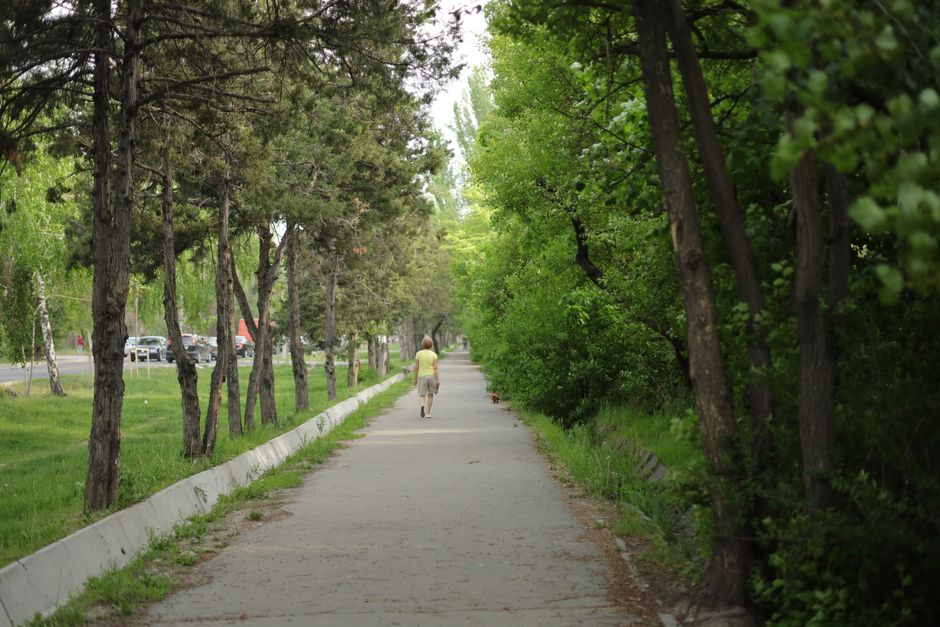
Why downhill walking creates this specific problem
🦵 Not sure what's causing your knee pain?
Answer 5 quick questions and get a personalised result.
Find My Pattern → 60 seconds · No sign-upDownhill movement asks your knee to do something different than walking on flat ground. Your quadriceps muscle (the one on the front of your thigh) has to work as a brake, controlling how quickly your knee bends as you step down. At the same time, your knee is bearing more of your body weight than it does on level ground. If your quads are fatigued, tight, or not strong enough for the demand, they can't stabilize the kneecap properly. The result: that sliding or shifting sensation.
Your knee joint also relies on small stabilizer muscles around your hip and inner thigh to keep everything aligned. Downhill walking demands a lot from these muscles, and if they're underdeveloped or tired, they may not fire quickly enough to prevent that wobbly feeling. This is especially true if you've been sitting for a while before the walk—your muscles wake up slowly, and the first few steps down can feel sketchy until they engage fully. There's a close connection between this and knee feels swollen after walking downhill — the same structures are usually involved.
Another factor is how your body naturally protects itself. If your knee has been sore or unstable before, you may unconsciously change the way you walk downhill. You might lean back more, put weight on your outer foot instead of distributing it evenly, or tense up your leg. These small changes in your gait pattern can actually make instability worse over time, because you're not using your muscles the way they're designed to work.
Lastly, the cartilage under your kneecap or the small structures inside your knee (like the meniscus) can sometimes shift slightly when your knee bends under load. You might feel a catching sensation or a brief moment where the knee feels like it's "resetting" as you walk. This usually passes quickly but leaves you feeling uncertain about whether it will happen again on the next step.
What you can try to build confidence and stability
Start by warming up before you descend. Walk on flat ground for five to ten minutes before attempting any downhill walking. You'll notice the instability often feels worse in the first few steps—that's your muscles waking up. Once they engage, many people find the wobbliness decreases. This is important: don't skip the warm-up and then blame the descent for being unsafe.
Pay attention to how you're stepping. Try to place your whole foot down at once rather than heel-first, which can jar your knee. Step more slowly and deliberately downhill, even if it feels overly cautious. Your nervous system needs to rebuild confidence, and rushing through the descent works against that. Many people find that taking smaller steps—even if it takes longer—reduces the shifting sensation.
Strengthen your quadriceps with simple, low-impact work. Sit in a chair and straighten one leg out in front of you, tightening the muscle on the front of your thigh for a few seconds. Hold it, then relax. Do this 10-15 times per leg, a few times a week. You can also try wall sits: lean your back against a wall and slide down until your knees are bent at about 90 degrees, then hold for 15-30 seconds. These build the muscle that acts as your knee's shock absorber on downhill terrain. For useful context, knee feels unstable after walking uphill tends to have the same mechanical roots and overlapping solutions.
Check your shoes. Worn-out cushioning or shoes that don't support your arch can change how your foot strikes the ground, which ripples up to affect your knee. If your current shoes are more than a year old or feel flat inside, replacing them may help more than you'd expect.
Consider using a walking pole or trekking stick on downhill sections. This isn't about weakness—it's about distributing the load. Using a pole reduces the amount of weight your knee has to manage, and it also gives your nervous system extra feedback about the terrain, which can reduce the feeling of instability.
When to reach out to a professional
If the instability is getting worse despite these steps, or if your knee actually gives way (rather than just feeling loose), schedule a visit with a physical therapist or doctor. The same goes if you notice swelling, significant pain, or if the instability happens on flat ground too—that suggests something beyond typical downhill strain.
Safety note: If you have severe pain, significant swelling, a recent injury, fever, numbness, or difficulty bearing weight, speak with a qualified healthcare professional promptly.
Frequently Asked Questions
Q: Is it normal to hear clicking sounds alongside knee feels unstable after walking downhill?
A: Joint sounds are extremely common and usually harmless — they often come from gas bubbles in the joint fluid or tendons flicking over bony prominences. If the clicking is painless and your knee functions normally, it's generally nothing to worry about. If it's accompanied by pain or swelling, mention it to a healthcare professional.
Q: What happens if I ignore knee feels unstable after walking downhill?
A: In some cases, minor knee discomfort does resolve on its own. But consistently ignoring pain — especially if it's altering how you move — can allow the underlying cause to worsen. Most people find that early, sensible attention leads to faster recovery than waiting it out indefinitely.
Q: Should I use a knee brace or compression sleeve for knee feels unstable after walking downhill?
A: A basic compression sleeve can offer comfort and mild support during activity, and many people find it helpful in the short term. Don't rely on it long-term without also addressing the root cause — whether that's strength, flexibility, or movement patterns.
A Simple Next Step
Most people who take early, sensible action recover well. Start with what you can manage today and monitor closely. If things are not improving after a few weeks, that is the right time to bring in professional support.
Helpful Next Step
As an Amazon Associate, we may earn from qualifying purchases. This does not affect the price you pay.
Helpful Support Option
If this discomfort shows up during daily walking or standing, a compression sleeve may help reduce load on the joint during movement while the underlying cause is addressed.
See walking knee support optionsHelpful Next Step
If gentle support helps during recovery, you can check a simple support option that many people use in daily life. People dealing with this frequently also notice knee burning feeling after walking downhill, particularly after extended periods of inactivity.
This content is for educational purposes only and does not constitute medical advice. Always consult a qualified healthcare professional for diagnosis and treatment.