🦵 Not sure what's causing it? Take the 5-question knee quiz.
Find My Pattern →How to Plan Meals When Standing to Cook Aggravates Your Knee
Cooking dinner starts fine—you're chopping vegetables, the kitchen smells good, and then somewhere between the stove and the sink, your knee begins to complain. Not dramatically. Just a dull ache that builds the longer you stand, or maybe a sharp twinge when you shift your weight, or that heavy sensation that makes you want to sit down immediately. By the time food hits the table, you're limping to a chair. The frustration isn't just the pain itself; it's that cooking feels like something you should be able to do, and your knee keeps saying otherwise.
The good news is that meal planning and kitchen strategy can help you cook without aggravating your knee further. This isn't about giving up home cooking. It's about understanding what's happening and reorganizing your time in the kitchen so standing becomes manageable.
Why standing to cook bothers your knee
🦵 Not sure what's causing your knee pain?
Answer 5 quick questions and get a personalised result.
Find My Pattern → 60 seconds · No sign-upStanding in one spot—especially while doing repetitive motions like stirring, chopping, or reaching—can stress your knee in several ways. When you stand still, your muscles have to work harder to keep your leg stable. If the muscles around your knee are weak or fatigued, your knee joint bears more load than it should. Over time, even 20 or 30 minutes can feel like too long. This pattern is related to back of knee swells after standing, and the same management principles often apply.
Movement patterns in the kitchen also matter. Reaching to high shelves, turning your torso while your feet stay planted, or shifting weight unevenly between legs can pull your knee out of its natural alignment. If you have existing knee discomfort from an old injury, arthritis, or overuse, these small misalignments add up quickly.
Heat and activity can also increase swelling in your knee, which makes pain worse as the day goes on. Cooking in the evening might feel harder than cooking at noon, even if you're doing the exact same task.
Finally, standing on hard kitchen floors without proper support—or in shoes that don't cushion well—means your knee absorbs more impact with each small shift in weight.
How to reorganize your cooking to reduce standing time
Prepare earlier and in smaller chunks. Instead of doing all your prep work at once, spread it across the day. Chop vegetables in the morning while sitting at the kitchen table. Cook grains or proteins at lunch. By dinnertime, you're only assembling and heating, not doing heavy prep. This also means your knee gets rest between activities instead of one long standing session.
Use a tall stool or chair at your prep station. A kitchen stool with a backrest lets you sit while chopping, mixing, or organizing ingredients. Your knee still bends and moves, but you're not bearing your full weight on it. If you don't have a tall stool, a regular dining chair pulled up to the counter works in a pinch—you'll just bend forward more, which is fine for short periods.
Plan meals that require less active standing time. Slow cooker meals, sheet pan dinners, and one-pot recipes mean you're not constantly moving between the stove and prep areas. You load ingredients, set a timer, and walk away. Soups, stews, and braised dishes also let you do most of the work sitting down, then just check on them occasionally.
Arrange your kitchen workflow to minimize movement. Before you start, gather everything you need in one area—cutting board, knives, ingredients, bowls. If you're cooking, position yourself so the stove, sink, and prep area form a small triangle. The fewer steps you take, the less strain on your knee. Keep frequently used items at waist height so you're not reaching up or bending down repeatedly.
Wear supportive shoes or consider a compression sleeve. Kitchen floors are hard, and many people cook in socks or unsupportive shoes. Shoes with good arch support and cushioning absorb impact better. A compression sleeve around your knee can also help stabilize the joint and reduce the sensation of heaviness or instability, though it's not a fix on its own.
What to avoid while managing this
Don't stand in one position for more than 10–15 minutes without shifting your weight or taking a sitting break. Your muscles fatigue faster than you might expect, and fatigue leads to poor form, which stresses your knee more.
Avoid cooking in the evening if morning or afternoon cooking feels better. There's no rule that dinner must be prepared at dinnertime. A meal cooked and reheated is better than one that leaves you in pain.
Skip recipes that require lots of standing and stirring—like risotto or dishes that need constant attention—when your knee is already bothering you. Save those for days when your knee feels stable. It's worth knowing that how to divide standing tasks when your knee tires easily follows a very similar pattern and responds to the same kind of approach.
Don't ignore swelling or heat in your knee during or after cooking. If your knee swells noticeably or feels warm, you've probably done too much standing. Use ice afterward and adjust your plan for the next day.
Avoid leaning heavily on one leg or locking your knee while standing. Both habits put extra stress on the joint. Keep a slight bend in your knee, and shift your weight regularly.
When to check in with a healthcare professional
If cooking pain is new and sudden, or if it's getting worse despite these changes, that's worth discussing with a doctor or physical therapist. They can assess whether something specific is happening in your knee—like muscle weakness, alignment issues, or inflammation—and suggest targeted exercises or modifications.
Also speak with a professional if the pain is sharp rather than dull, if your knee swells significantly, or if you're limping noticeably after cooking. These signs suggest your knee needs more support than kitchen reorganization alone can provide.
Safety note: If you have severe pain, significant swelling, a recent injury, fever, numbness, or difficulty bearing weight, speak with a qualified healthcare professional promptly.
Moving forward with divided tasks
The key shift here is thinking of meal preparation as something that can happen across several hours or even days, rather than all at once. This takes pressure off your knee and often makes cooking feel less overwhelming overall.
Pay attention to which times of day your knee feels best, and plan your cooking around that window. If your knee feels stable in the morning but tired by evening, do your prep work early. If you're not sure yet, try cooking at different times and notice what happens—that observation will guide
Helpful Next Step
As an Amazon Associate, we may earn from qualifying purchases. This does not affect the price you pay.
Helpful Support Option
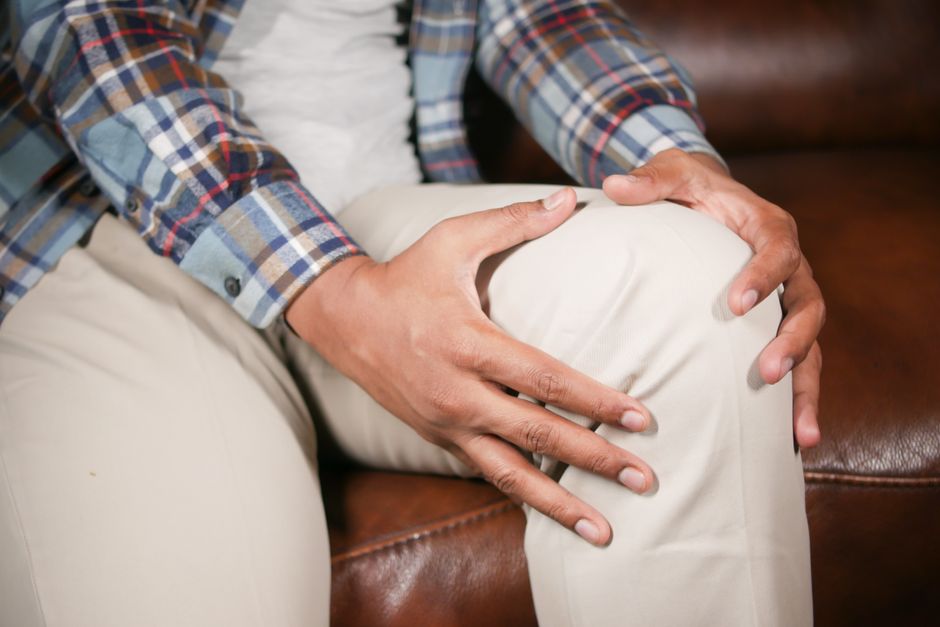
If this discomfort shows up during daily walking or standing, a compression sleeve may help reduce load on the joint during movement while the underlying cause is addressed.
See walking knee support optionsHelpful Next Step
If gentle support helps during recovery, you can check a simple support option that many people use in daily life. If you also experience how to plan a city break with limited knee walking tolerance, the two issues often share the same underlying cause.
This content is for educational purposes only and does not constitute medical advice. Always consult a qualified healthcare professional for diagnosis and treatment.