🦵 Not sure what's causing it? Take the 5-question knee quiz.
Find My Pattern →Back of Knee Swells After Standing
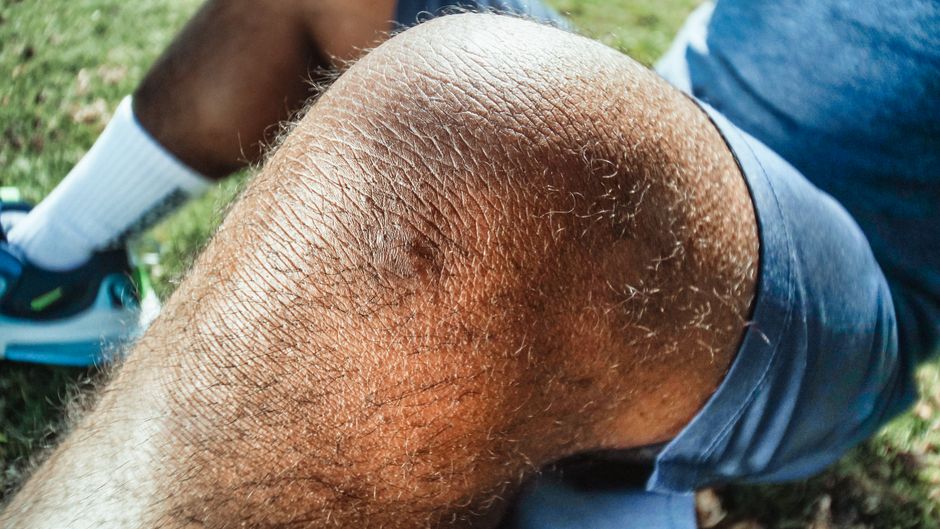
You're on your feet for a few hours—maybe at work, a family event, or just running errands—and everything feels fine. Then you sit down and notice it: the back of your knee feels puffy, tight, almost like something's pressing against the back of your leg. The swelling might be visible, or it might just feel thick and warm to the touch. By the next morning it's usually gone, but it returns the moment you stand for long stretches again. That cycle of invisible-then-visible, gone-then-back, can feel frustrating when nothing obviously "wrong" happened.
What's likely happening behind the swelling
🦵 Not sure what's causing your knee pain?
Answer 5 quick questions and get a personalised result.
Find My Pattern → 60 seconds · No sign-upSwelling at the back of the knee after standing often comes from how fluid moves through your leg when you're upright for hours. When you stand, gravity pulls fluid downward, and the muscles and tissues in your knee work to pump it back up. If something interrupts that process—whether it's tight calf muscles, stiffness in your knee joint, or the repetitive position of standing itself—fluid can pool in the back of the knee rather than circulate normally.
A Baker's cyst can develop in this exact spot. It's a pocket of fluid that forms behind the knee, often when the joint itself is irritated or when there's extra pressure building up inside the knee. Standing for long periods can make an existing cyst feel tighter and more swollen, even if it's been there quietly for months. If you also experience knee pain after standing all day, the two issues often share the same underlying cause.
Inflammation in the back of the knee can also come from overuse of the calf muscles or the tissues that support the back of your leg. If you've increased your activity level, changed your shoes, or spent more time on your feet than usual, the structures behind your knee may swell as a response to that extra demand.
Sometimes the swelling is connected to how your knee joint itself is moving. If your knee doesn't track quite right when you walk or stand, certain tissues behind the knee can get compressed or irritated over hours of standing, leading to that puffy, tight feeling by afternoon or evening.
What you can try
Sit down before the tightness gets severe. This isn't about avoiding standing entirely—it's about catching the swelling early. If you notice tightness creeping in around hour four or five of standing, taking a 10-15 minute break to sit can interrupt the cycle. Many people find that sitting before the swelling becomes pronounced prevents it from getting worse later. The key is noticing the early warning signs rather than pushing through until you're uncomfortable.
Apply cold for 15-20 minutes after you've been standing. The timing matters here. Cold works best when you use it soon after the activity that caused swelling, not hours later. Sit with your leg elevated and use an ice pack or cold compress on the back of your knee. You'll often feel the tightness ease within a few minutes, and the warmth that lingers should fade more quickly than if you'd done nothing.
Elevate your leg while sitting, keeping your knee slightly bent. This position—not fully straight, not deeply bent—helps fluid drain from the back of your knee without creating pressure in the joint itself. Prop your leg on a pillow or ottoman for 20-30 minutes after standing. Many people notice the puffy feeling releases noticeably within this timeframe.
Wear a compression sleeve or wrap around your calf and lower thigh. Compression helps support the muscles that pump fluid back up your leg when you're standing. Some people find that wearing compression during long periods of standing actually prevents the swelling from building up in the first place. Others use it after standing to help reduce swelling that's already developed. Pay attention to how tight it feels—snug support is helpful, but cutting off circulation isn't.
Gently stretch your calf muscles and the back of your thigh. Tight muscles in these areas can restrict how smoothly fluid moves through your leg. Simple calf stretches against a wall, or gentle quad and hamstring stretches while sitting, can ease the tightness that often accompanies swelling. Stretch slowly and hold for 20-30 seconds rather than bouncing.
When to reach out to a professional
Swelling that comes and goes with activity is common and often manageable on your own. But certain patterns warrant a conversation with a healthcare provider. If the swelling doesn't improve after a few days of rest and cold, if it's getting larger or more painful, or if it's starting to limit how much you can bend or straighten your knee, that's worth mentioning to a doctor or physical therapist. It's worth knowing that knee pain after standing at work all day follows a very similar pattern and responds to the same kind of approach.
Also pay attention to other sensations. Sharp pain, significant warmth (beyond the normal warmth of mild swelling), redness, or a feeling of instability in your knee all suggest something that needs professional evaluation. If the swelling is only on one leg and you can't connect it to any particular activity or change, that's another reason to check in with someone.
Safety note: If you have severe pain, significant swelling, a recent injury, fever, numbness, or difficulty bearing weight, speak with a qualified healthcare professional promptly.
Frequently Asked Questions
Q: What happens if I ignore back of knee swells after standing?
A: In some cases, minor knee discomfort does resolve on its own. But consistently ignoring pain — especially if it's altering how you move — can allow the underlying cause to worsen. Most people find that early, sensible attention leads to faster recovery than waiting it out indefinitely.
Q: Can stretching help with back of knee swells after standing?
A: Gentle stretching of the quadriceps, hamstrings, calves, and hip flexors can reduce the muscular tension that contributes to knee discomfort. A sustained, comfortable hold of 20 to 30 seconds is far more effective and safer than aggressive or bouncing stretches.
Q: Should I use a knee brace or compression sleeve for back of knee swells after standing?
A: A basic compression sleeve can offer comfort and mild support during activity, and many people find it helpful in the short term. Don't rely on it long-term without also addressing the root cause — whether that's strength, flexibility, or movement patterns.
One Thing to Try First
Most people who take early, sensible action recover well. Start with what you can manage today and monitor closely. If things are not improving after a few weeks, that is the right time to bring in professional support.
Helpful Next Step
As an Amazon Associate, we may earn from qualifying purchases. This does not affect the price you pay.
Helpful Support Option
If this discomfort shows up during daily walking or standing, a compression sleeve may help reduce load on the joint during movement while the underlying cause is addressed.
See walking knee support optionsHelpful Next Step
If gentle support helps during recovery, you can check a simple support option that many people use in daily life. For useful context, knee pain and lower back pain together tends to have the same mechanical roots and overlapping solutions.
This content is for educational purposes only and does not constitute medical advice. Always consult a qualified healthcare professional for diagnosis and treatment.