🦵 Not sure what's causing it? Take the 5-question knee quiz.
Find My Pattern →How to Pace a Retail Shift When Your Knee is Sore
Your shift starts at 9 a.m. and the first two hours feel almost normal—you're stocking shelves, helping customers, moving between departments. But by hour four, your knee develops a dull ache that tightens as you walk. By hour six, every trip to the stockroom feels heavier. You still have two hours left, and you're wondering whether to push through, find a back room to sit in, or call someone to cover the rest of your shift. The problem isn't that your knee hurts—it's that the pain builds throughout the day in ways you can't always predict, and you need to actually finish your shift.
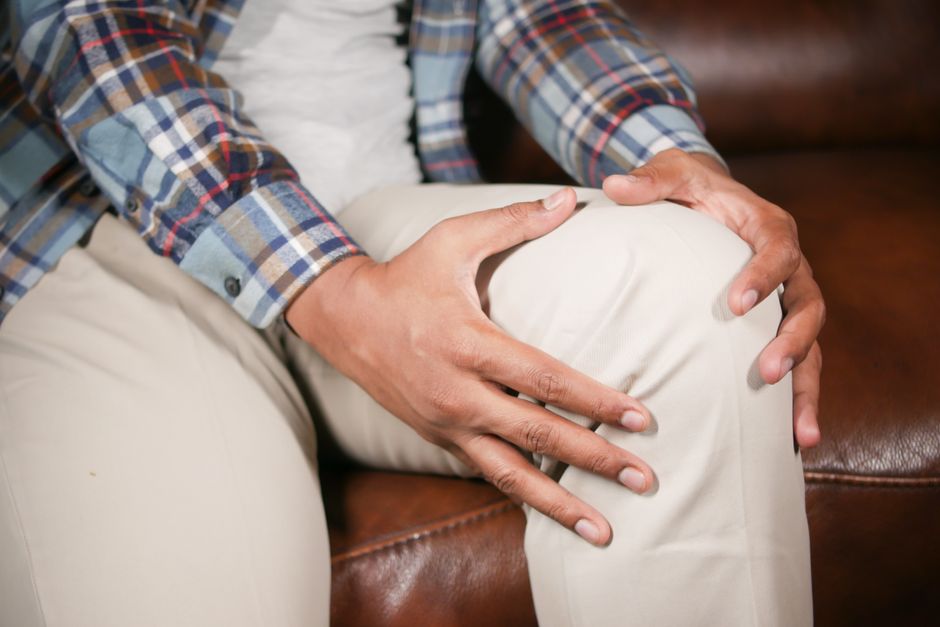
Retail work demands constant movement in ways that office jobs don't. You're not sitting at a desk with the option to stand when you want. You're on your feet, walking uneven floors, climbing small steps to reach high shelves, shifting your weight while you scan items, and standing still while you interact with customers. Each of these movements asks something slightly different from your knee, and a sore knee responds by tightening, aching, or developing a sharp sensation that makes you favor one leg.
Why your knee gets worse as your shift goes on
🦵 Not sure what's causing your knee pain?
Answer 5 quick questions and get a personalised result.
Find My Pattern → 60 seconds · No sign-upSeveral things typically happen during a retail shift that can make knee soreness build over time. For useful context, both knees stiff and sore when first getting up tends to have the same mechanical roots and overlapping solutions.
Repetitive movement without recovery. Walking the same routes, climbing the same step stool, or standing in the same posture for long stretches can irritate the tissues around your knee. Unlike a single painful moment, this is cumulative—each step adds a small amount of stress, and by hour five or six, that stress becomes noticeable.
Fatigue in the muscles that support your knee. The muscles in your thigh, hip, and calf work together to stabilize your knee during movement. When you're on your feet for hours, these muscles get tired. A tired muscle can't stabilize as effectively, which means your knee joint absorbs more of the stress. This often explains why the pain feels worse late in your shift even though you're doing the same movements.
Standing still in one spot. This might seem counterintuitive, but standing motionless for several minutes—like when you're at a register or waiting for a customer to decide—can actually stiffen your knee. The fluid in your joint thickens slightly when you're not moving, and the muscles around your knee tighten. When you start walking again, your knee feels stiff or achy.
Walking on hard floors. Retail floors are typically concrete or tile under the carpeting or linoleum. These surfaces don't absorb impact the way a softer surface does, so each step sends a small shock through your leg. Over hours, this can aggravate an already sore knee.
Practical strategies for pacing through your shift
The goal isn't to avoid all movement—that's impossible in retail—but to vary your movement and give your knee small breaks before the pain builds too much.
Break up standing with intentional position changes every 30 to 45 minutes. This doesn't mean leaving your post. It means shifting your weight, taking a few steps in a different direction, or changing which leg you're favoring. If you're helping a customer at a counter, step back and forth slightly rather than standing still. If you're stocking shelves, alternate between reaching high shelves and lower shelves so you're not holding the same posture. Small changes in position reduce the stress on any single part of your knee.
Find low-impact tasks for the middle hours of your shift. If you have flexibility in your schedule, try to do lighter work during the hours when your knee typically gets worst. Instead of stocking shelves or doing floor work during hour four or five, see if you can do inventory checks, help at the register, or organize the stockroom. These tasks still keep you moving but often involve less repetitive strain. If your manager allows it, alternating between high-movement tasks and lighter tasks can help you finish your shift without the pain building as sharply.
Use a back room or staff area to sit for five minutes every hour. A proper break where you're actually off your feet can make a real difference. Sitting allows the muscles around your knee to relax and the fluid in your joint to redistribute. Even five minutes can reduce the tightness you feel when you stand up again. If sitting isn't an option, leaning against a counter or wall for a minute or two—genuinely resting your weight—is better than continuous standing.
Wear shoes with cushioning and support. Thin-soled shoes or shoes that don't support your arch can make knee pain worse because they don't absorb the impact of walking on hard floors. If you're in a position to choose your footwear, look for shoes with a cushioned sole and good arch support. Some people find that insoles designed for support help reduce knee pain during long shifts. Your shoes matter more than you might think when you're on your feet for eight hours.
Walk differently on the hardest-impact tasks. When you're stocking high shelves or doing tasks that involve repetitive stepping, try to walk more slowly and deliberately. Rushing or taking quick, bouncy steps increases the impact on your knee. Walking at a steady, slightly slower pace reduces the shock each step creates. It might feel like you're moving slower, but the reduction in joint stress can be significant.
When to talk to a professional
If your knee pain is new or has changed recently, it's worth mentioning to a doctor or physical therapist. They can help you understand what's causing the pain and whether your current work pace is sustainable or if you need to modify your duties temporarily. People dealing with this frequently also notice how to track which daily tasks aggravate a sore knee, particularly after extended periods of inactivity.
You should also speak with a healthcare professional if the pain is sharp rather than dull, if your knee swells noticeably during or after your shift, if you feel like your knee might give out, or if the pain is stopping you from doing essential parts of your job. Pain that's manageable but annoying is different from pain that's affecting your ability to work safely.
Safety note: If you have severe pain, significant swelling, a recent injury, fever, numbness, or difficulty bearing weight, speak with a qualified healthcare professional promptly.
Moving forward with your shift
The reality of retail work with a sore knee is that some shifts will feel harder
Helpful Next Step
As an Amazon Associate, we may earn from qualifying purchases. This does not affect the price you pay.
Helpful Support Option
If this type of knee discomfort shows up during daily movement, light support may help reduce strain on the joint while you work on the underlying cause.
See knee support options on AmazonHelpful Next Step
If gentle support helps during recovery, you can check a simple support option that many people use in daily life. For useful context, knee pain when picking up running pace tends to have the same mechanical roots and overlapping solutions.
This content is for educational purposes only and does not constitute medical advice. Always consult a qualified healthcare professional for diagnosis and treatment.