🦵 Not sure what's causing it? Take the 5-question knee quiz.
Find My Pattern →How to Handle School Pickup When Knee Walking Tolerance is Limited
School pickup happens every day at the same time, and it's usually non-negotiable. But when your knee starts complaining the moment you stand up from the car, or you feel a sharp pull halfway across the parking lot, the routine becomes something you have to think about. The walk from car to classroom door—sometimes uphill, often across uneven asphalt, always with a time pressure—can expose exactly how much your knee struggles with sustained weight-bearing. You might manage fine at home, but three to five minutes of continuous walking with a backpack-carrying child in tow reveals the real limits.
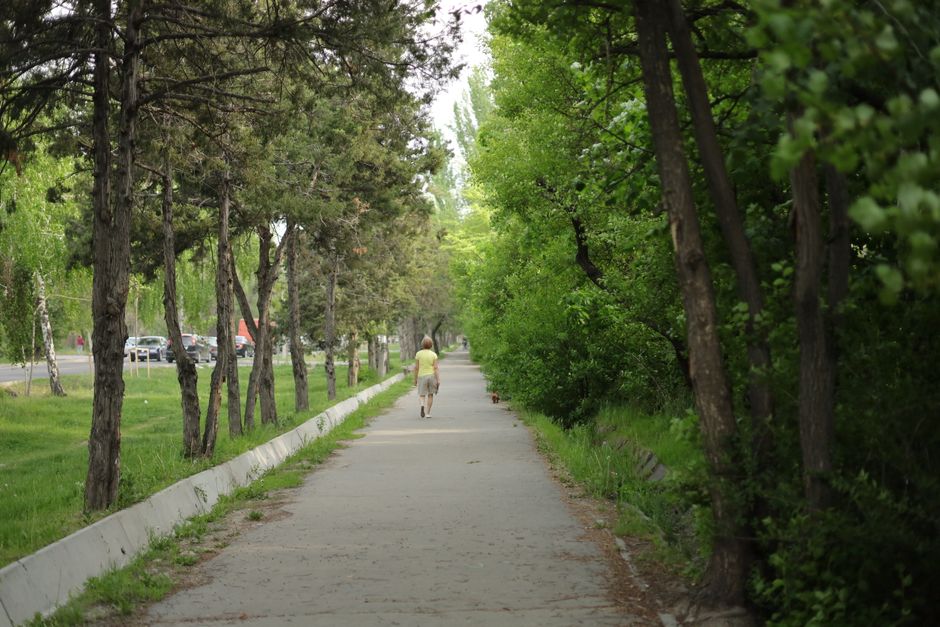
Why school pickup specifically strains your knee
🦵 Not sure what's causing your knee pain?
Answer 5 quick questions and get a personalised result.
Find My Pattern → 60 seconds · No sign-upPickup involves several factors that make it harder than casual walking. First, the duration is fixed and often unavoidable—you can't stop halfway and rest without creating logistics problems. Second, the surface is usually asphalt or concrete, which offers no shock absorption the way grass or a treadmill might. Third, you're often managing a child, bags, or both, which shifts your weight distribution and forces you to brace or compensate with your other leg. Fourth, there's usually a time element—you're moving with purpose, not at a leisurely pace—which can tighten muscles and increase load on the joint. It's worth knowing that how to plan a city break with limited knee walking tolerance follows a very similar pattern and responds to the same kind of approach.
The knee pain you experience during pickup may stem from several sources. Muscle weakness around the knee can make the joint itself work harder to stabilize, especially over uneven ground. Tight hip flexors or hamstrings can alter how your leg moves, placing extra stress on the patella (kneecap) and surrounding tissues. Inflammation from previous activity can flare when you demand sustained effort without proper warm-up. In some cases, the knee simply hasn't built tolerance for that specific duration yet, and pushing through it daily can delay improvement.
Practical adjustments that can make pickup manageable
Arrive early and move slowly. The time pressure is real, but arriving five minutes earlier removes the need to walk quickly. A slower pace reduces impact and gives your muscles time to engage properly. You might feel conspicuous standing early, but your knee will thank you.
Park closer or use drop-off if available. Every 50 feet matters when your tolerance is limited. If the school has a drop-off loop, use it instead of parking in the lot. If you can park near the entrance, do it. This isn't cheating—it's working within your current capacity.
Wear supportive shoes and consider a lightweight brace. Worn-out sneakers or unsupportive shoes increase the work your knee has to do. A shoe with good arch support and cushioning can reduce strain noticeably. Some people find a simple compression sleeve or neoprene knee brace provides enough feedback and stability to make the walk feel less risky, though this is individual.
Use a walking aid if needed. A cane or trekking pole isn't just for severe injuries. Using one during pickup can reduce the load on your affected knee by 20-30 percent. Children often don't mind, and it sends a clear message that you're taking care of yourself.
Warm up before you leave the house. Don't go from sitting to walking across a parking lot. Spend two minutes doing gentle leg lifts, marching in place, or walking around your home. Muscles that are already engaged work more efficiently and protect the joint better.
Break the walk into segments if possible. If your child can walk part of the way independently, or if you can stop briefly to chat with another parent, these micro-breaks let your muscles recover slightly without the time pressure of being late.
What to avoid during this routine
Don't push through sharp pain thinking it will improve. A dull ache that eases as you warm up is different from a sharp or catching sensation—the latter often signals something that needs attention. Don't skip the walk entirely on good days thinking you're resting; consistency matters more than rest days for building tolerance. Don't increase your pace or distance without a reason—pickup is the same distance every day, so there's no need to prove anything. Don't ignore swelling after pickup; if your knee is noticeably puffy by evening, you've likely done too much that day. If you also experience how to enjoy photography walks with limited knee tolerance, the two issues often share the same underlying cause.
When to speak with a healthcare professional
If your knee pain is worsening despite these adjustments, or if it's affecting your ability to do pickup at all, that's worth discussing with a doctor or physical therapist. They can assess whether there's an underlying issue like patellar tracking problems, cartilage damage, or muscle imbalances that need specific treatment. If you notice swelling, instability (feeling like your knee might give way), or pain that doesn't settle within a few hours of pickup, professional guidance can help clarify what's happening.
Safety note: If you have severe pain, significant swelling, a recent injury, fever, numbness, or difficulty bearing weight, speak with a qualified healthcare professional promptly.
Finding a routine that works for your knee
School pickup is one of those activities you can't really skip, so the goal is to do it in a way that doesn't set your recovery back. Small changes—parking closer, moving slower, warming up first—often make a bigger difference than you'd expect. The key is noticing which adjustments actually help your specific knee, because what works for one person's knee doesn't always work for another. Pay attention to which days feel easier and what you did differently on those days. That observation is valuable information to share with a healthcare provider if you eventually need one.
Helpful Next Step
As an Amazon Associate, we may earn from qualifying purchases. This does not affect the price you pay.
Helpful Support Option
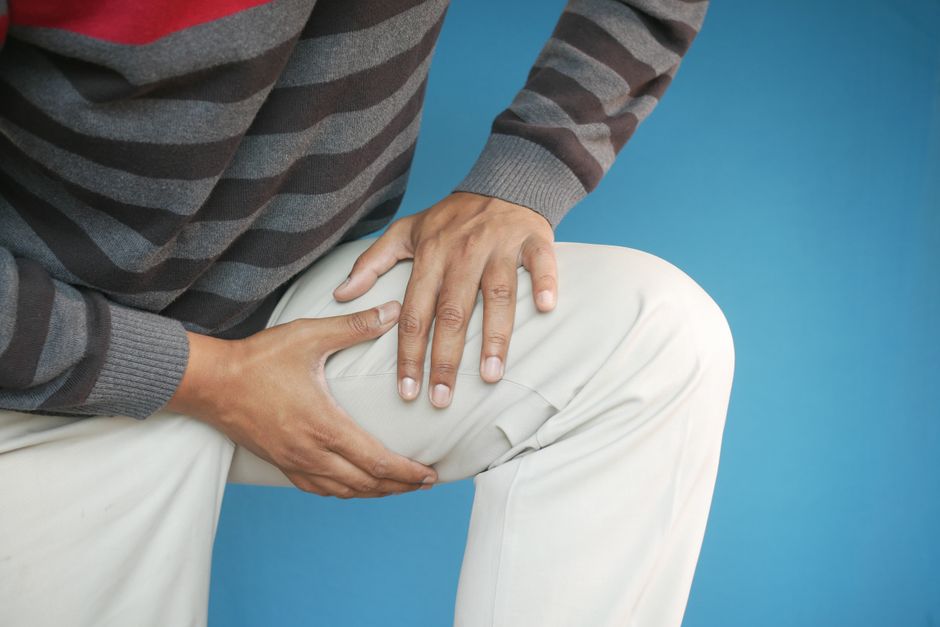
If this discomfort shows up during daily walking or standing, a compression sleeve may help reduce load on the joint during movement while the underlying cause is addressed.
See walking knee support optionsHelpful Next Step
If gentle support helps during recovery, you can check a simple support option that many people use in daily life. People dealing with this frequently also notice dull ache behind knee after walking downhill, particularly after extended periods of inactivity.
This content is for educational purposes only and does not constitute medical advice. Always consult a qualified healthcare professional for diagnosis and treatment.